West African Military Regimes Withdraw Trio from ECOWAS Bloc
West African Military Regimes Withdraw Trio from ECOWAS Bloc
Introduction
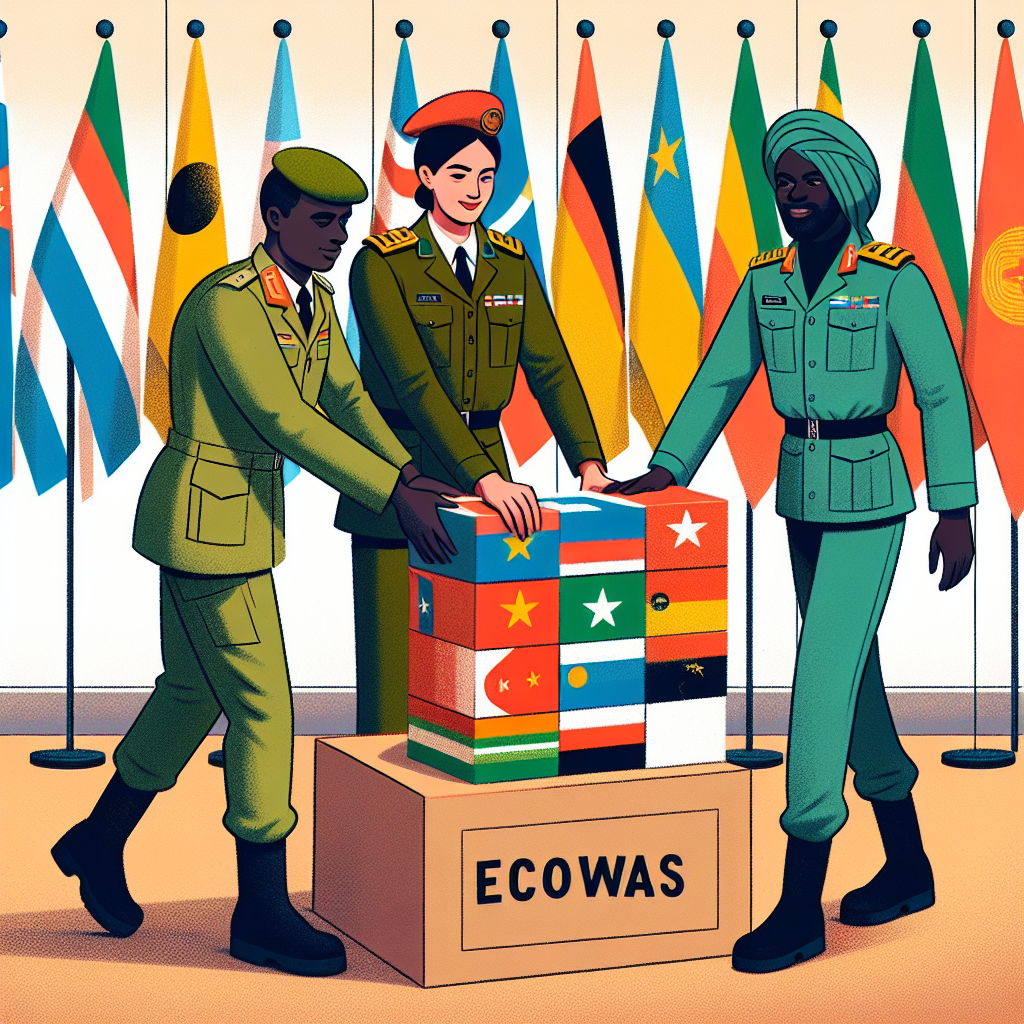
In a significant geopolitical shift, three West African nations under military rule have decided to withdraw from the Economic Community of West African States (ECOWAS). This move marks a pivotal moment in the region’s political landscape, raising questions about the future of regional cooperation and stability.

Key Developments
- Countries Involved: The nations involved in this withdrawal are Mali, Burkina Faso, and Guinea, each currently governed by military regimes following coups.
- Reasons for Withdrawal: The decision stems from growing tensions between these countries and ECOWAS, primarily due to disagreements over governance and the bloc’s stance on military-led governments.
- Impact on ECOWAS: The withdrawal poses challenges for ECOWAS, potentially weakening its influence and ability to mediate conflicts in the region.
Implications for Regional Stability
The departure of these nations from ECOWAS could have far-reaching implications for West Africa:

- Security Concerns: The absence of these countries from the bloc may hinder collective security efforts, particularly in combating terrorism and organized crime.
- Economic Consequences: Economic collaboration and trade within the region might suffer, affecting growth and development prospects.
- Diplomatic Relations: The move could lead to a realignment of alliances and diplomatic relations within West Africa and beyond.
Conclusion
The withdrawal of Mali, Burkina Faso, and Guinea from ECOWAS marks a critical juncture in West African politics. As these nations chart a new course outside the regional bloc, the implications for security, economic cooperation, and diplomatic relations remain uncertain. The situation underscores the complex dynamics at play in the region and the challenges facing ECOWAS in maintaining unity and stability.