
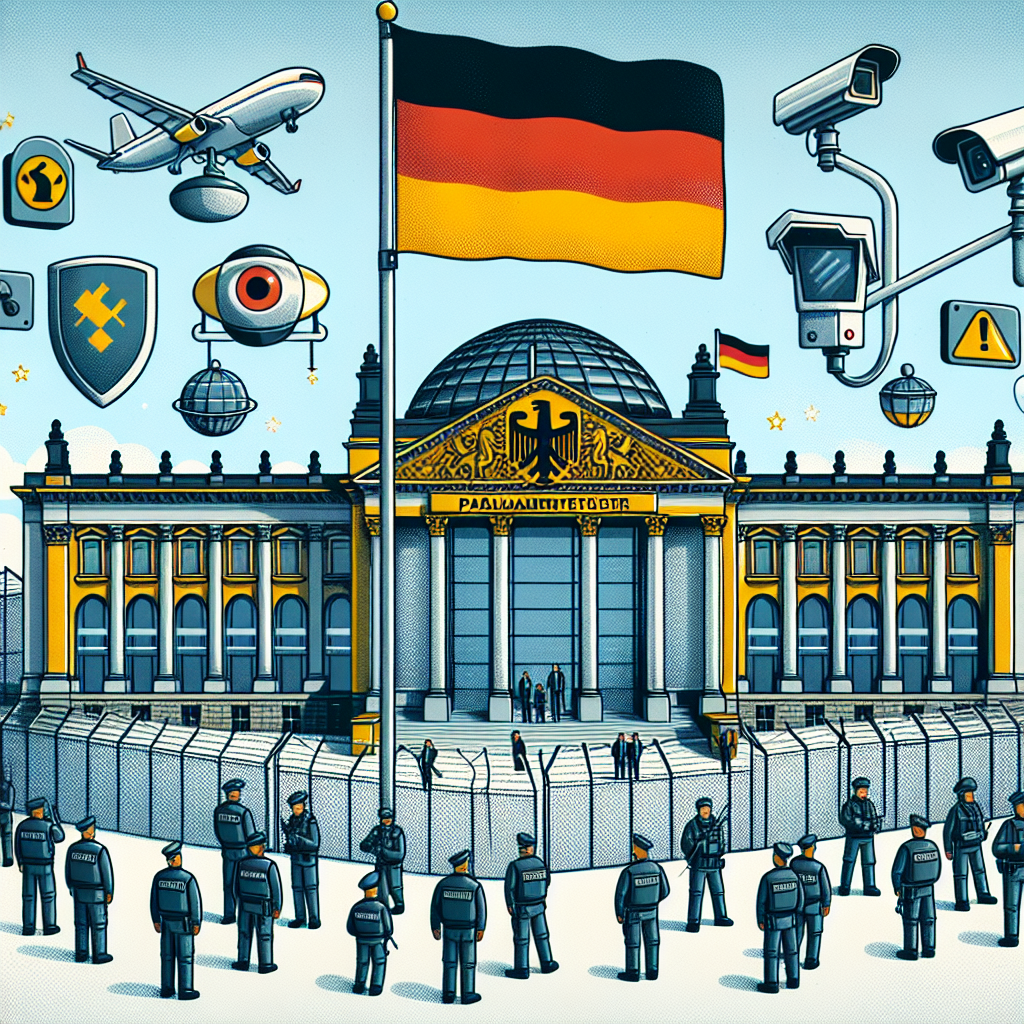
German Parliament Approves Stricter Border Control Measures
German Parliament Approves Stricter Border Control Measures
Introduction
The German Parliament has recently passed a new set of border control measures aimed at enhancing national security and managing immigration more effectively. This decision comes amid growing concerns over illegal immigration and security threats.

Key Features of the New Measures
- Increased Surveillance: The measures include the deployment of advanced surveillance technologies at border checkpoints to monitor and control the flow of people entering the country.
- Enhanced Identification Processes: New protocols for verifying the identity of travelers will be implemented, including biometric checks and digital documentation.
- Stricter Visa Regulations: The legislation introduces more stringent criteria for visa applications, particularly for individuals from countries deemed high-risk.
- Collaboration with EU Partners: Germany plans to work closely with other European Union member states to ensure a coordinated approach to border security.
Rationale Behind the Decision
The decision to tighten border controls is driven by several factors:

- Security Concerns: An increase in global security threats has prompted the need for more robust border management.
- Immigration Management: The measures aim to better regulate immigration flows and prevent illegal entry.
- Public Pressure: There has been significant public demand for stronger border security to protect national interests.
Potential Implications
The implementation of these measures is expected to have several implications:

- Improved Security: Enhanced border controls are likely to reduce the risk of illegal activities and security breaches.
- Impact on Travelers: Travelers may experience longer wait times and more rigorous checks at border crossings.
- Economic Considerations: The measures could affect trade and tourism, necessitating a balance between security and economic interests.
Conclusion
The approval of stricter border control measures by the German Parliament marks a significant step towards bolstering national security and managing immigration more effectively. While these measures aim to address pressing security concerns, they also present challenges that will require careful management to ensure minimal disruption to legitimate travel and trade.












