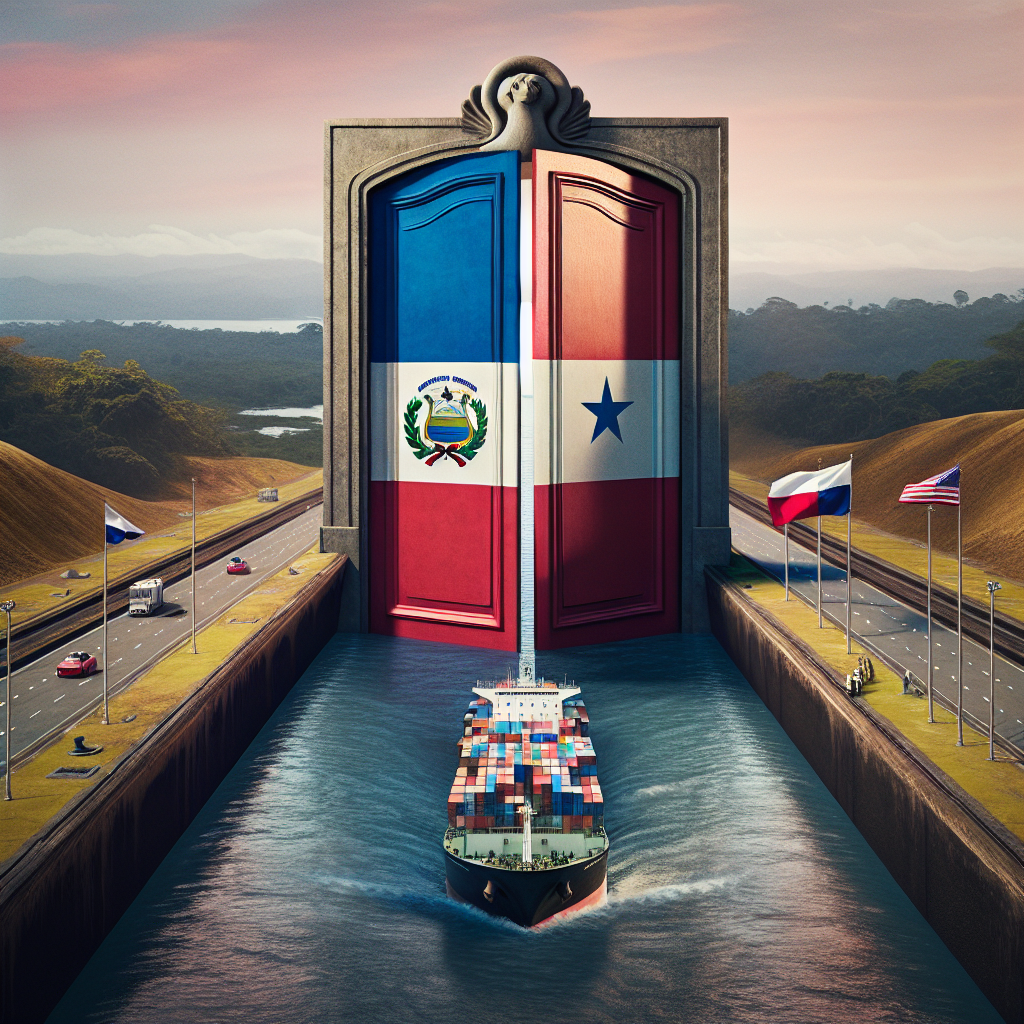
Panama Declares No Canal Negotiations with US
Panama Declares No Canal Negotiations with US
Introduction
In a significant geopolitical development, Panama has announced that it will not engage in negotiations with the United States regarding the Panama Canal. This decision underscores Panama’s stance on maintaining sovereignty over one of the world’s most crucial maritime routes.

Key Points
- Panama’s Sovereignty: The Panamanian government has emphasized its commitment to retaining full control over the canal, a vital asset for global trade.
- Historical Context: The Panama Canal has been a point of contention and negotiation between Panama and the US since its construction in the early 20th century.
- Economic Implications: The canal is a significant revenue source for Panama, and control over it is crucial for the country’s economic stability.
- Geopolitical Significance: The canal serves as a strategic maritime passage, influencing global shipping routes and international relations.
Panama’s Position
Panama’s government has reiterated its position of non-negotiation, highlighting the importance of national sovereignty and the strategic value of the canal. This stance is seen as a move to assert independence and control over its national assets.

Implications for US-Panama Relations
The decision not to negotiate with the US may impact bilateral relations, potentially affecting trade and diplomatic interactions. However, Panama remains firm in its resolve to manage the canal independently.

Conclusion
Panama’s declaration of no negotiations with the US over the canal is a bold assertion of sovereignty and control over a critical economic and strategic asset. This decision highlights the importance of the canal to Panama’s national interests and its role in global trade dynamics.