Global Implications of a US Aid Freeze
Global Implications of a US Aid Freeze
Introduction
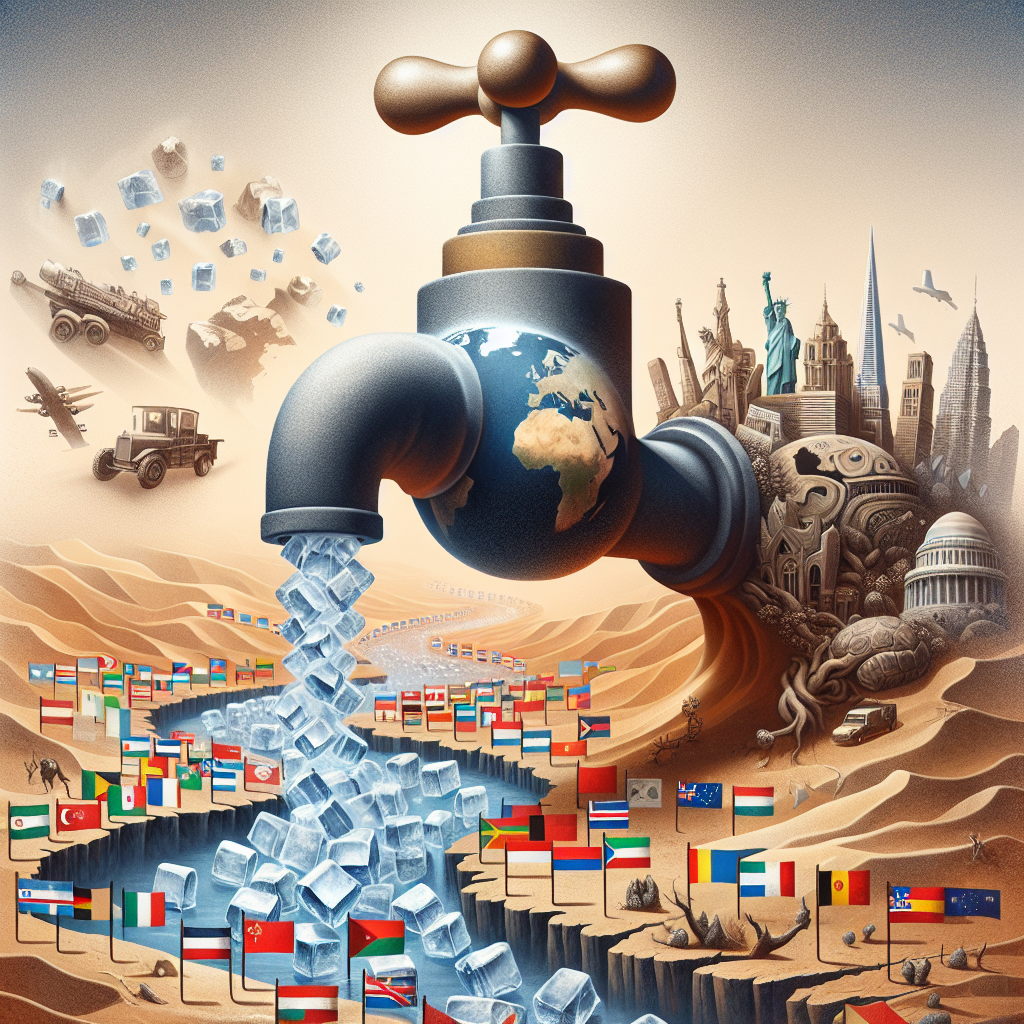
The potential freeze of US foreign aid has sparked widespread concern and debate over its global ramifications. As one of the largest providers of international assistance, the United States plays a pivotal role in global development and stability. This summary explores the key impacts of a US aid freeze on various sectors and regions worldwide.

Economic Impact
A halt in US aid could have significant economic repercussions, particularly for developing nations that rely heavily on this support.

- Development Projects: Many infrastructure and development projects may face delays or cancellations, affecting economic growth.
- Trade Relations: Countries dependent on US aid might experience strained trade relations, impacting their economies.
- Investment Flows: A reduction in aid could deter foreign investments, leading to economic instability.
Humanitarian Concerns
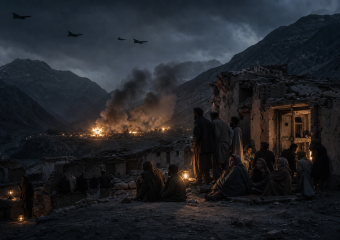
The freeze could severely impact humanitarian efforts, exacerbating crises in vulnerable regions.

- Health Services: Funding cuts could disrupt essential health services, including vaccination programs and disease prevention initiatives.
- Food Security: Reduced aid may lead to food shortages, increasing hunger and malnutrition rates.
- Refugee Support: Assistance for refugees and displaced persons could diminish, worsening living conditions.
Geopolitical Consequences
The geopolitical landscape could shift as a result of a US aid freeze, influencing global power dynamics.
- Influence of Other Nations: Countries like China and Russia may fill the void left by the US, expanding their influence.
- Regional Stability: A reduction in aid could destabilize regions, leading to increased conflict and migration.
- Diplomatic Relations: US diplomatic relations with aid-receiving countries might suffer, affecting international cooperation.
Conclusion
The potential freeze of US aid carries profound global implications, affecting economic stability, humanitarian efforts, and geopolitical dynamics. As the world watches closely, the need for strategic decision-making and international collaboration becomes increasingly critical to mitigate these impacts and ensure continued global development and stability.