From Niche to Mainstream: The Rise of Halal Tourism in Global Travel
From Niche to Mainstream: The Rise of Halal Tourism in Global Travel
Introduction to Halal Tourism
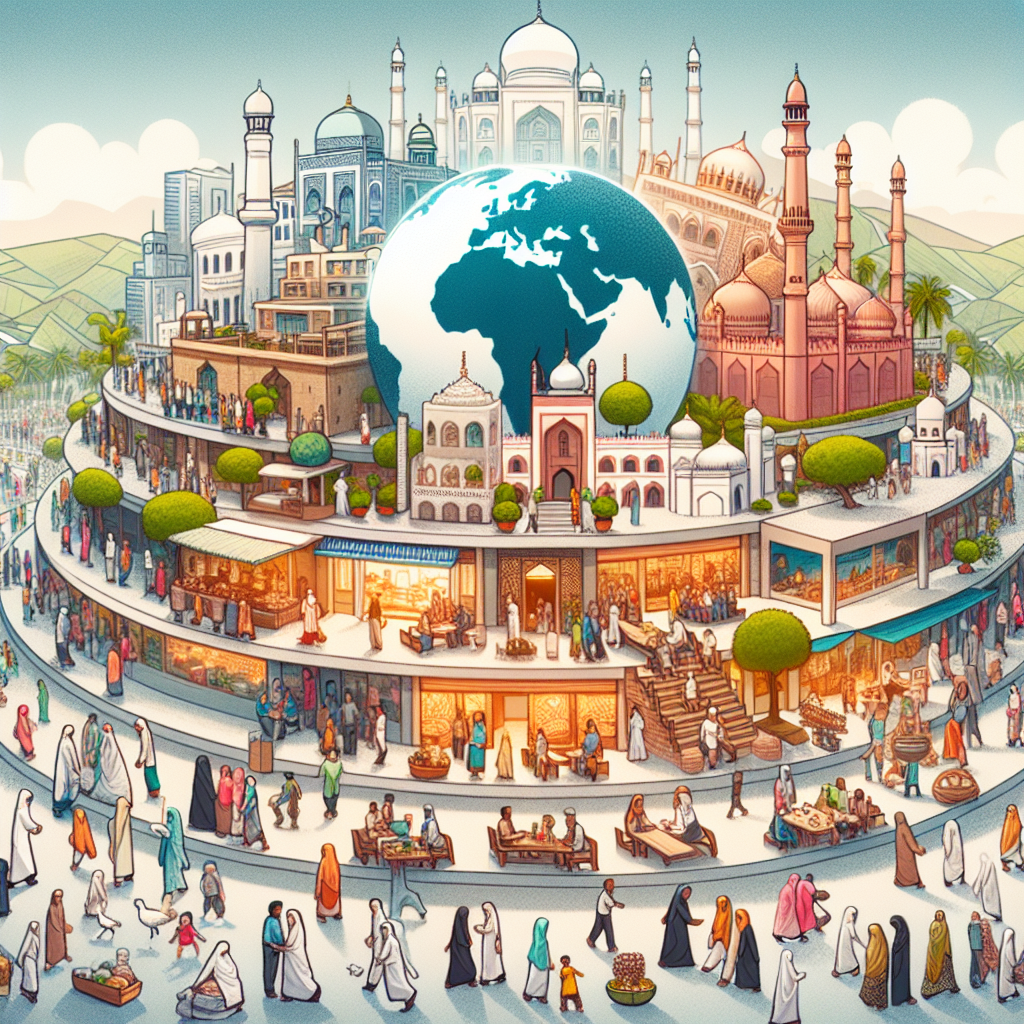
Halal tourism, once a niche market, is rapidly gaining traction in the global travel industry. This sector caters to Muslim travelers seeking destinations and services that align with Islamic principles, offering a unique blend of cultural and religious experiences.

Key Drivers of Growth
The rise of halal tourism can be attributed to several factors that are reshaping the travel landscape:

- Increasing Muslim Population: The global Muslim population is growing, leading to a higher demand for travel options that cater to their religious needs.
- Rising Disposable Income: Many Muslim-majority countries are experiencing economic growth, resulting in increased disposable income and travel spending.
- Enhanced Awareness: Greater awareness and understanding of halal tourism among non-Muslim countries have led to more inclusive travel offerings.
Features of Halal Tourism
Halal tourism encompasses a range of services and amenities designed to meet the needs of Muslim travelers:

- Halal Food: Availability of halal-certified food options is a crucial aspect of halal tourism.
- Prayer Facilities: Hotels and attractions often provide prayer rooms and facilities for religious observance.
- Family-Friendly Environments: Many halal-friendly destinations emphasize family-oriented activities and accommodations.
Popular Halal Tourism Destinations
Several countries are emerging as popular destinations for halal tourism, offering a blend of cultural richness and religious accommodation:
- Malaysia: Known for its diverse culture and extensive halal offerings.
- Turkey: Offers a rich historical and cultural experience with numerous halal-friendly services.
- United Arab Emirates: Combines luxury with Islamic hospitality, attracting a wide range of Muslim travelers.
Challenges and Opportunities
While halal tourism is on the rise, it faces certain challenges and opportunities:
- Standardization: Establishing consistent standards for halal certification across different regions remains a challenge.
- Market Expansion: There is significant potential for growth in non-Muslim-majority countries that are willing to adapt their offerings.
- Technological Integration: Leveraging technology to enhance the travel experience for Muslim tourists presents new opportunities.
Conclusion
Halal tourism is transitioning from a niche market to a mainstream segment in the global travel industry. With its focus on cultural and religious inclusivity, it offers significant growth potential and opportunities for destinations worldwide. As the industry continues to evolve, it will play a crucial role in shaping the future of global travel.