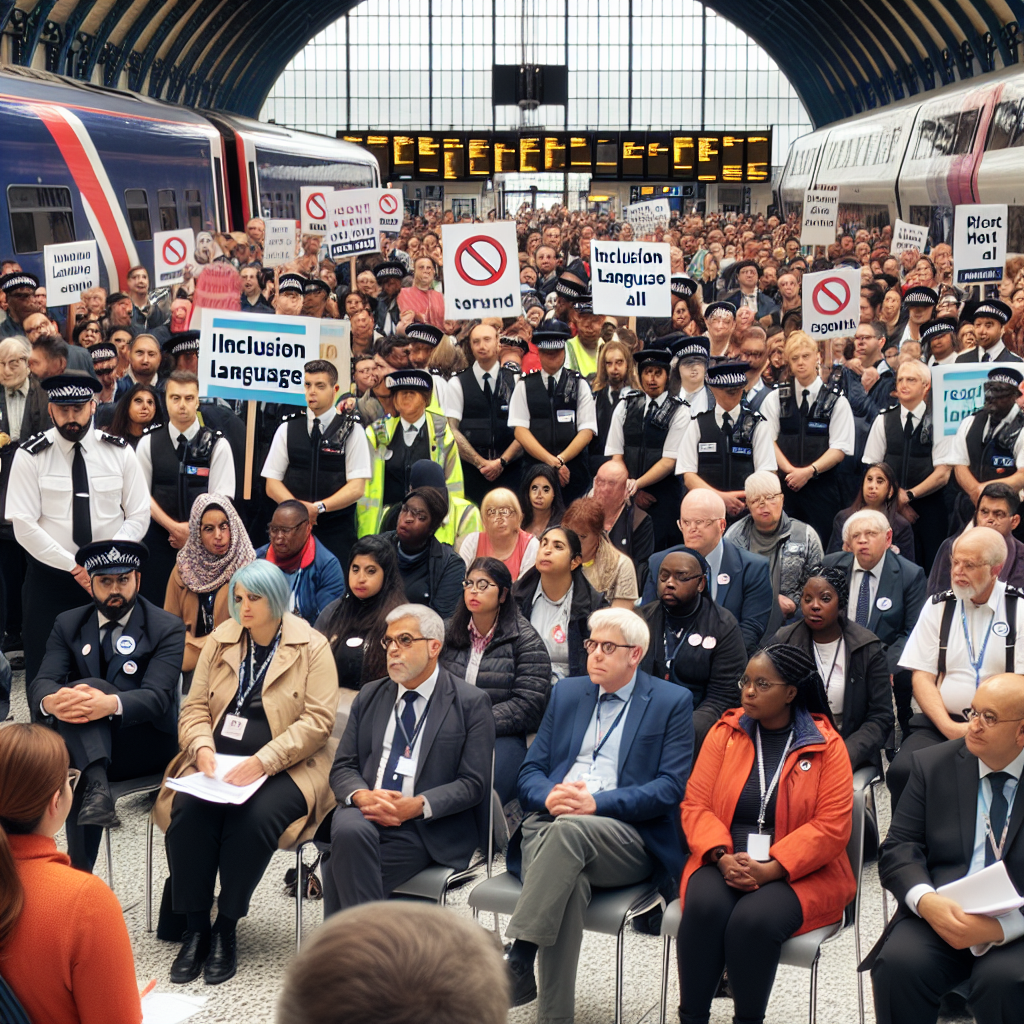
UK Rail Staff Advised to Avoid Terms “Passengers” and “Pregnant Woman”
UK Rail Staff Advised to Avoid Certain Terms
Introduction
In a move aimed at promoting inclusivity, UK rail staff have been advised to avoid using specific terms such as “passengers” and “pregnant woman.” This guidance is part of a broader effort to ensure language used in public services is more inclusive and considerate of diverse identities and experiences.

Key Changes in Language
- “Passengers”: Staff are encouraged to use “customers” instead, reflecting a more service-oriented approach.
- “Pregnant Woman”: The term “pregnant people” is recommended to acknowledge non-binary and transgender individuals who may also be pregnant.
Reasons Behind the Change
The guidance is part of a wider initiative to make public services more inclusive and sensitive to the needs of all individuals, regardless of gender identity or other personal characteristics. This aligns with ongoing societal shifts towards greater recognition and respect for diversity.

Reactions and Implications
- Support: Advocates for inclusivity have welcomed the changes, viewing them as a positive step towards greater equality.
- Criticism: Some have criticized the move as unnecessary or overly politically correct, arguing it complicates communication.
- Impact on Staff: Rail staff will need to adapt to these changes, which may require additional training and support.
Conclusion
The advice for UK rail staff to avoid terms like “passengers” and “pregnant woman” reflects a broader societal push towards inclusivity and sensitivity in language. While the changes have sparked mixed reactions, they underscore an ongoing commitment to recognizing and respecting diverse identities in public services.