Women Leading the Charge for Peace Negotiations
Women Leading the Charge for Peace Negotiations
Introduction
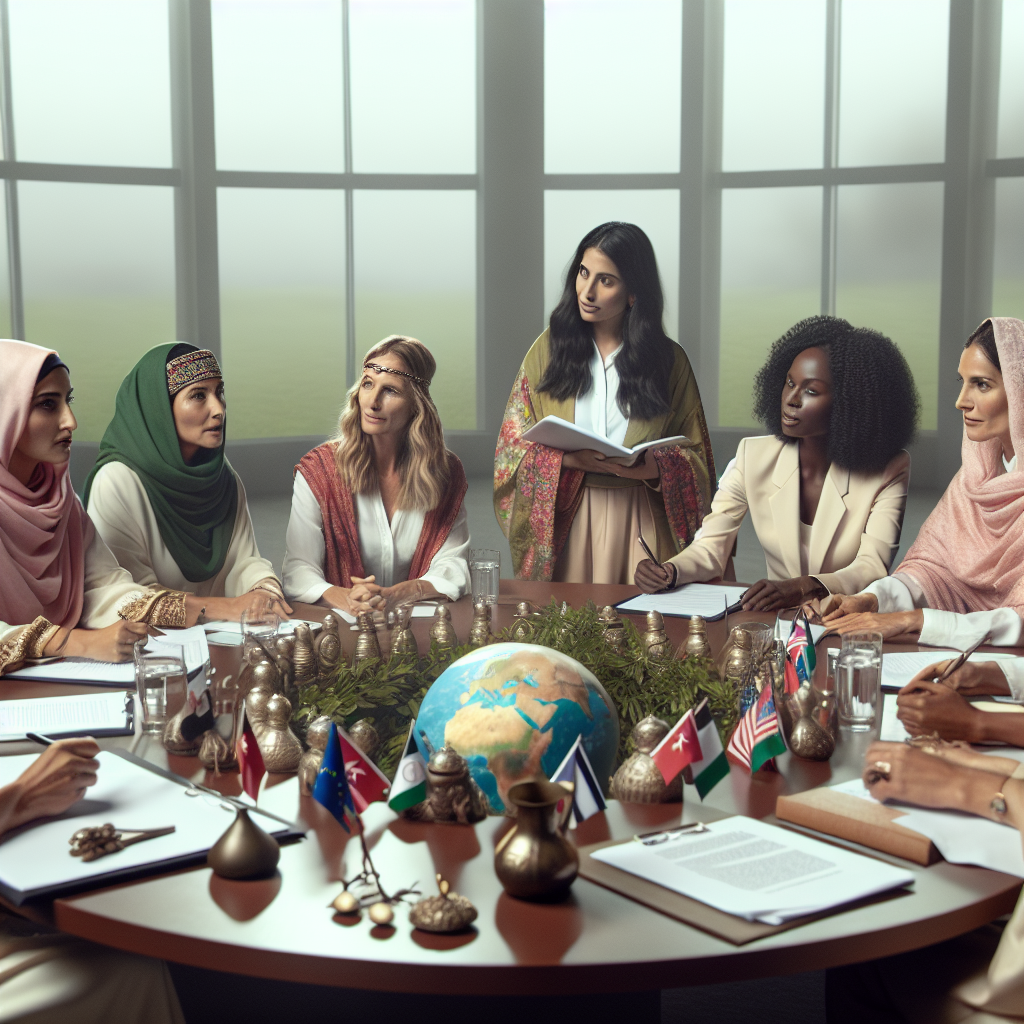
In recent years, women have increasingly taken on pivotal roles in peace negotiations worldwide. Their involvement has brought fresh perspectives and innovative solutions to longstanding conflicts, highlighting the importance of gender diversity in diplomatic efforts.

Key Contributions of Women in Peace Processes
- Inclusive Dialogue: Women often advocate for the inclusion of marginalized groups, ensuring that peace agreements address the needs of all affected parties.
- Focus on Humanitarian Issues: Female negotiators tend to prioritize humanitarian concerns, such as the protection of civilians and the provision of essential services.
- Long-term Stability: Studies show that peace agreements involving women are more likely to last, as they often emphasize reconciliation and community rebuilding.
Notable Examples
Several women have made significant impacts in peace negotiations across the globe:
Ads

- Colombia: Women played a crucial role in the peace talks between the Colombian government and FARC, contributing to a historic agreement in 2016.
- Philippines: Miriam Coronel-Ferrer became the first woman to sign a major peace accord as the chief negotiator in talks with the Moro Islamic Liberation Front.
- Rwanda: Post-genocide, women have been instrumental in rebuilding the nation and fostering reconciliation efforts.
Challenges and Opportunities
Despite their successes, women in peace negotiations face numerous challenges:
Ads

- Underrepresentation: Women are often underrepresented in formal peace processes, limiting their influence.
- Cultural Barriers: Societal norms in some regions can hinder women’s participation in diplomatic roles.
- Need for Support: Greater institutional support and capacity-building initiatives are essential to empower women negotiators.
Conclusion
Women are proving to be indispensable in peace negotiations, bringing unique insights and fostering more comprehensive and lasting agreements. As the global community continues to recognize the value of their contributions, it is crucial to support and amplify their voices in diplomatic arenas.
Ads

Ads

Ads

Ads

Ads

Ads

Ads

Ads

Ads

Ads

Ads