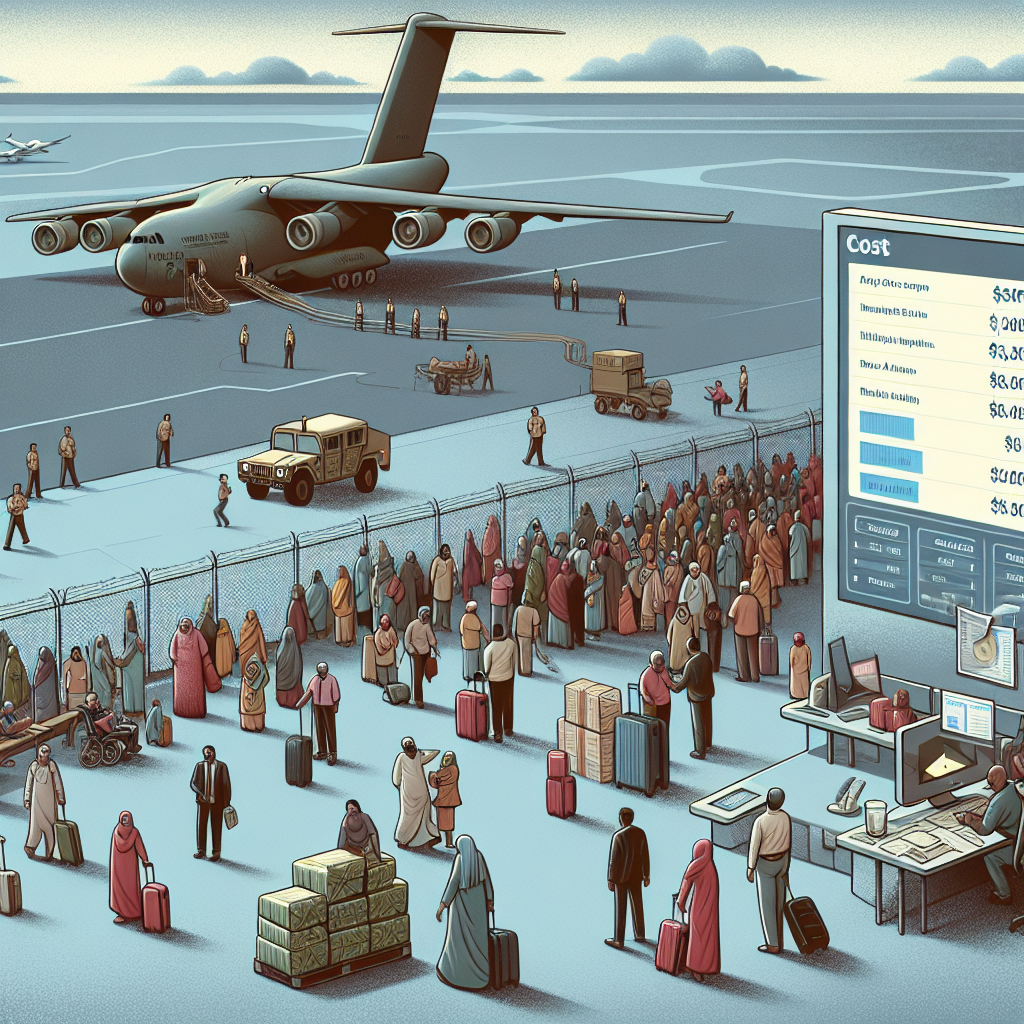
The Cost of Deporting Indian Migrants on a Military Plane
The Cost of Deporting Indian Migrants on a Military Plane
Overview
The recent decision to deport Indian migrants using military planes has sparked significant debate and scrutiny. This approach, while addressing immediate immigration concerns, raises questions about financial implications, ethical considerations, and international relations.

Financial Implications
- High Costs: Utilizing military aircraft for deportation is significantly more expensive than commercial flights, impacting national budgets.
- Resource Allocation: The use of military resources for deportation diverts them from their primary defense roles, potentially affecting national security readiness.
Ethical Considerations
- Human Rights Concerns: The method of deportation has raised alarms among human rights organizations, questioning the treatment and dignity of deportees.
- Public Perception: The use of military planes for deportation may be perceived as an aggressive stance, affecting public opinion and community relations.
International Relations
- Diplomatic Tensions: This approach could strain diplomatic relations between the deporting country and India, potentially impacting trade and cooperation.
- Global Image: The decision may influence the global perception of the deporting country’s immigration policies and humanitarian stance.
Conclusion
The decision to deport Indian migrants using military planes is a complex issue with far-reaching implications. While it addresses immediate immigration challenges, it also poses significant financial, ethical, and diplomatic concerns. Balancing these factors is crucial for developing a sustainable and humane immigration policy.
Ads

Ads

Ads

Ads

Ads

Ads

Ads

Ads

Ads

Ads

Ads

Ads