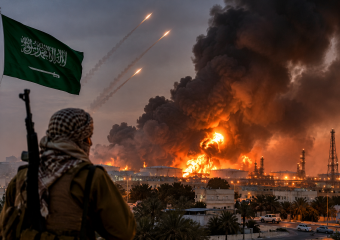
White House Reconsiders Gaza Strategy: Latest Updates
White House Reconsiders Gaza Strategy: Latest Updates
Overview
The White House is actively reassessing its approach to the ongoing conflict in Gaza, aiming to address escalating tensions and humanitarian concerns. This strategic shift comes amid growing international pressure and evolving regional dynamics.

Key Developments
- Diplomatic Engagement: The U.S. is intensifying diplomatic efforts with key Middle Eastern allies to foster a collaborative approach towards de-escalation.
- Humanitarian Aid: Plans are underway to increase humanitarian assistance to Gaza, focusing on immediate relief and long-term recovery.
- Security Concerns: The administration is evaluating security measures to protect civilians and prevent further violence.
- Policy Adjustments: Potential shifts in U.S. policy towards Israel and Palestine are being considered to promote peace negotiations.
International Reactions
Global leaders have expressed mixed reactions to the U.S. strategy reassessment. While some welcome the proactive stance, others urge more decisive actions to ensure lasting peace.

Challenges Ahead
- Balancing Interests: The U.S. faces the challenge of balancing its strategic interests in the region with humanitarian obligations.
- Regional Stability: Ensuring regional stability while addressing the root causes of the conflict remains a complex task.
- Domestic Pressures: The administration must navigate domestic political pressures and public opinion on its Middle East policies.
Conclusion
The White House’s reconsideration of its Gaza strategy marks a significant shift in U.S. foreign policy, reflecting a nuanced approach to a complex geopolitical issue. As the situation evolves, the administration’s ability to balance diplomatic, humanitarian, and security concerns will be crucial in shaping the future of the region.