South Korea Mandates Bird Detection Cameras at Airports Following Air Crash
South Korea Mandates Bird Detection Cameras at Airports Following Air Crash
Introduction
In a decisive move to enhance aviation safety, South Korea has announced the installation of bird detection cameras at its airports. This initiative comes in response to a recent air crash attributed to bird strikes, underscoring the need for improved measures to prevent such incidents.

Background of the Incident
The decision follows a significant air crash caused by a bird strike, which highlighted vulnerabilities in current airport safety protocols. The incident has prompted authorities to take swift action to mitigate similar risks in the future.

Key Measures Implemented
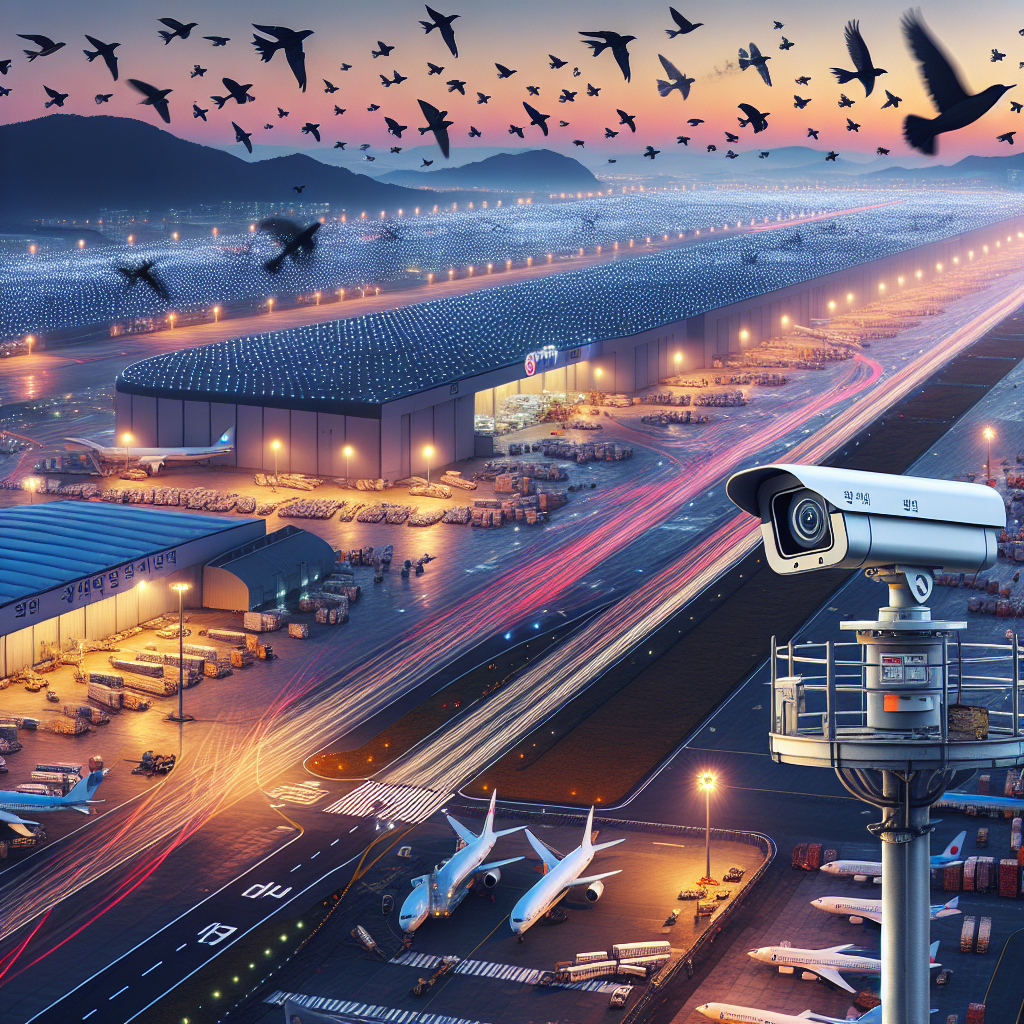
- Installation of Bird Detection Cameras: Advanced cameras will be deployed to monitor and detect bird activity in and around airport vicinities.
- Real-time Monitoring: The system will provide real-time data to airport control centers, enabling quick response to potential threats.
- Integration with Existing Systems: The new technology will be integrated with current airport safety systems to enhance overall effectiveness.
Expected Outcomes
The implementation of bird detection cameras is expected to significantly reduce the risk of bird strikes, thereby improving the safety of air travel in South Korea. This proactive approach aims to set a precedent for other countries facing similar challenges.

Conclusion
South Korea’s mandate for bird detection cameras at airports marks a pivotal step in aviation safety. By leveraging advanced technology, the country aims to prevent future air crashes caused by bird strikes, ensuring safer skies for all. This initiative not only addresses immediate safety concerns but also positions South Korea as a leader in innovative aviation safety solutions.