Moscow Claims EU Leaders Are Inciting War Hysteria
Moscow Accuses EU Leaders of Fueling War Hysteria
Background
In a recent development, Moscow has accused European Union leaders of inciting war hysteria. This accusation comes amidst escalating tensions between Russia and Western nations, particularly concerning military activities and geopolitical strategies.

Key Accusations
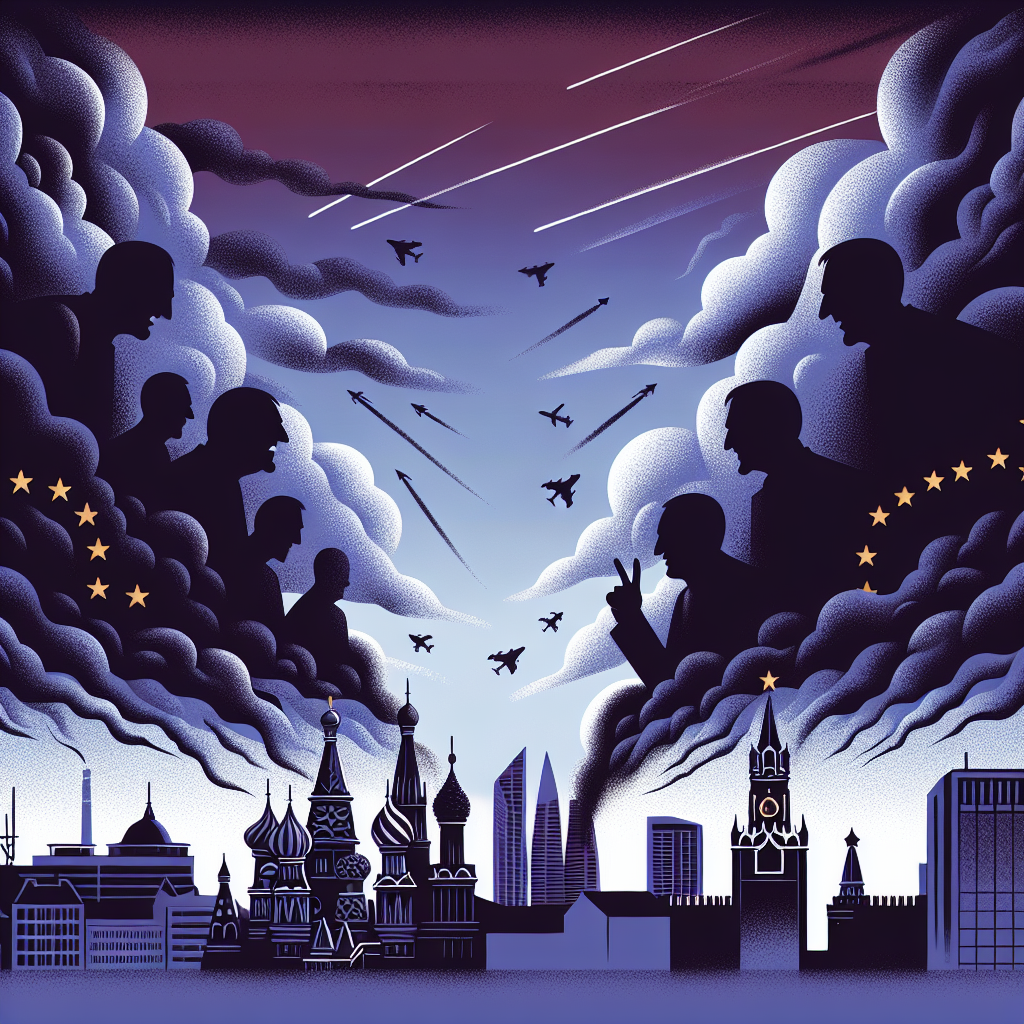
- Inflammatory Rhetoric: Moscow claims that EU leaders are using inflammatory language that exacerbates tensions and creates an atmosphere of fear and hostility.
- Military Posturing: The Kremlin alleges that the EU is engaging in military posturing, which Moscow views as provocative and unnecessary.
- Media Influence: Russian officials argue that EU leaders are leveraging media platforms to spread narratives that paint Russia as an aggressor, further fueling public anxiety.
EU’s Stance
The European Union, on the other hand, maintains that its actions and statements are in response to Russia’s military activities and geopolitical maneuvers, which they perceive as aggressive and threatening to regional stability.

Implications
- Increased Tensions: The accusations contribute to the already strained relations between Russia and the EU, potentially impacting diplomatic efforts.
- Public Perception: The ongoing narrative battle may influence public opinion in both regions, affecting future policy decisions.
- Geopolitical Stability: The situation underscores the fragile nature of geopolitical stability in Europe, with potential ramifications for global peace.
Conclusion
The accusations by Moscow against EU leaders highlight the deepening rift between Russia and Western nations. As both sides continue to exchange blame, the potential for diplomatic resolution seems increasingly challenging. The situation calls for careful navigation to prevent further escalation and ensure regional stability.