
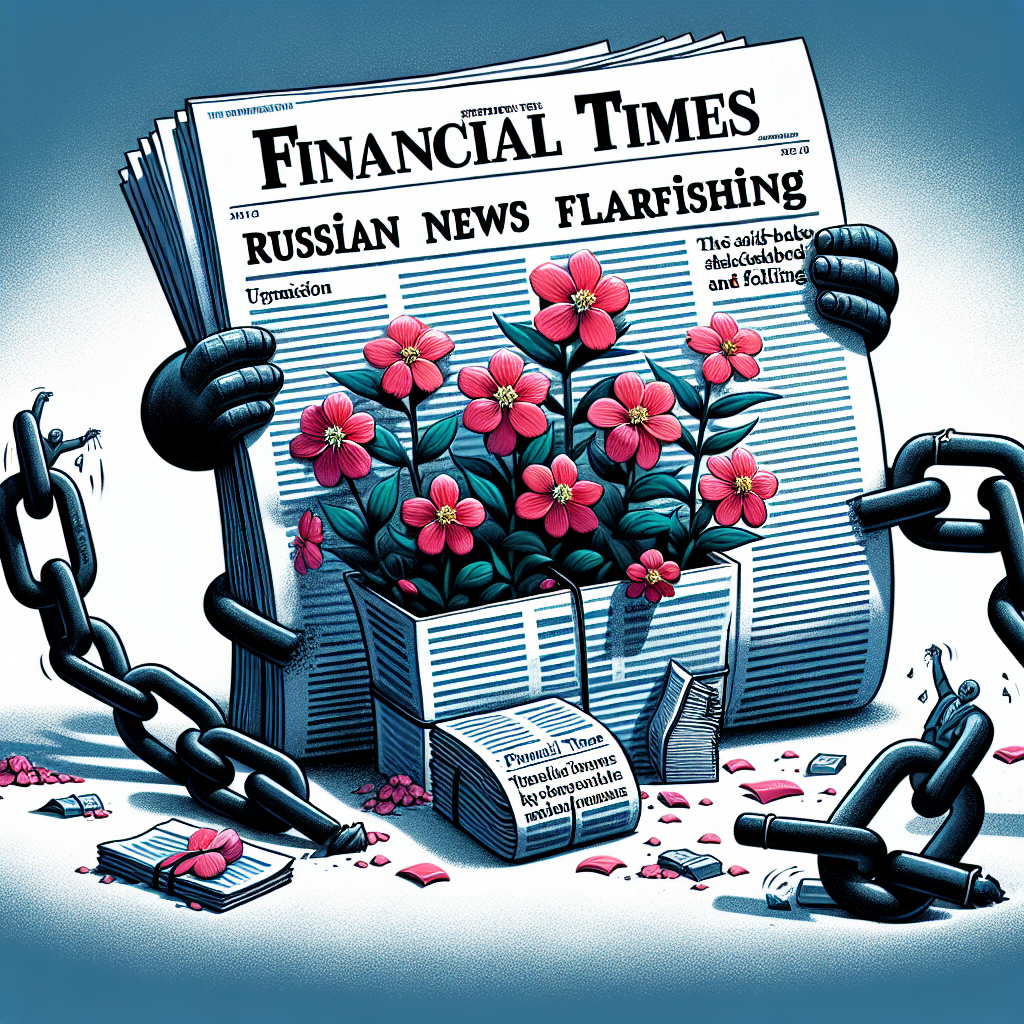
Russian News Thrives Amid Sanctions and USAID-Backed Rivals – FT
Russian News Thrives Amid Sanctions and USAID-Backed Rivals
Overview
Despite facing international sanctions and competition from USAID-backed media outlets, Russian news organizations continue to flourish. This resilience highlights the complex dynamics of media influence and geopolitical tensions.

Key Factors Behind Russian Media Resilience
- State Support: Russian media benefits from substantial government backing, ensuring financial stability and operational continuity.
- Nationalistic Appeal: Content often resonates with nationalistic sentiments, bolstering domestic support and viewership.
- Adaptation Strategies: Russian news outlets have adapted to digital platforms, expanding their reach and influence globally.
Challenges from USAID-Backed Rivals
USAID-backed media organizations present a significant challenge to Russian news outlets by promoting alternative narratives and fostering independent journalism. However, their impact is mitigated by several factors:

- Limited Reach: These outlets often struggle to penetrate the Russian market due to language barriers and regulatory hurdles.
- Credibility Issues: Perceptions of foreign influence can undermine their credibility among Russian audiences.
Implications for Global Media Landscape
The ongoing competition between Russian media and USAID-backed rivals underscores the broader geopolitical struggle for narrative control. This battle has significant implications for global media consumption and the dissemination of information.

Conclusion
Russian news organizations continue to thrive despite sanctions and competition from USAID-backed rivals, thanks to state support, nationalistic appeal, and strategic adaptation. While USAID-backed media faces challenges in gaining traction, the ongoing media rivalry highlights the complex interplay of geopolitics and information dissemination.












