Baltic States Sever Final Energy Ties with Russia
Baltic States Sever Final Energy Ties with Russia
Introduction
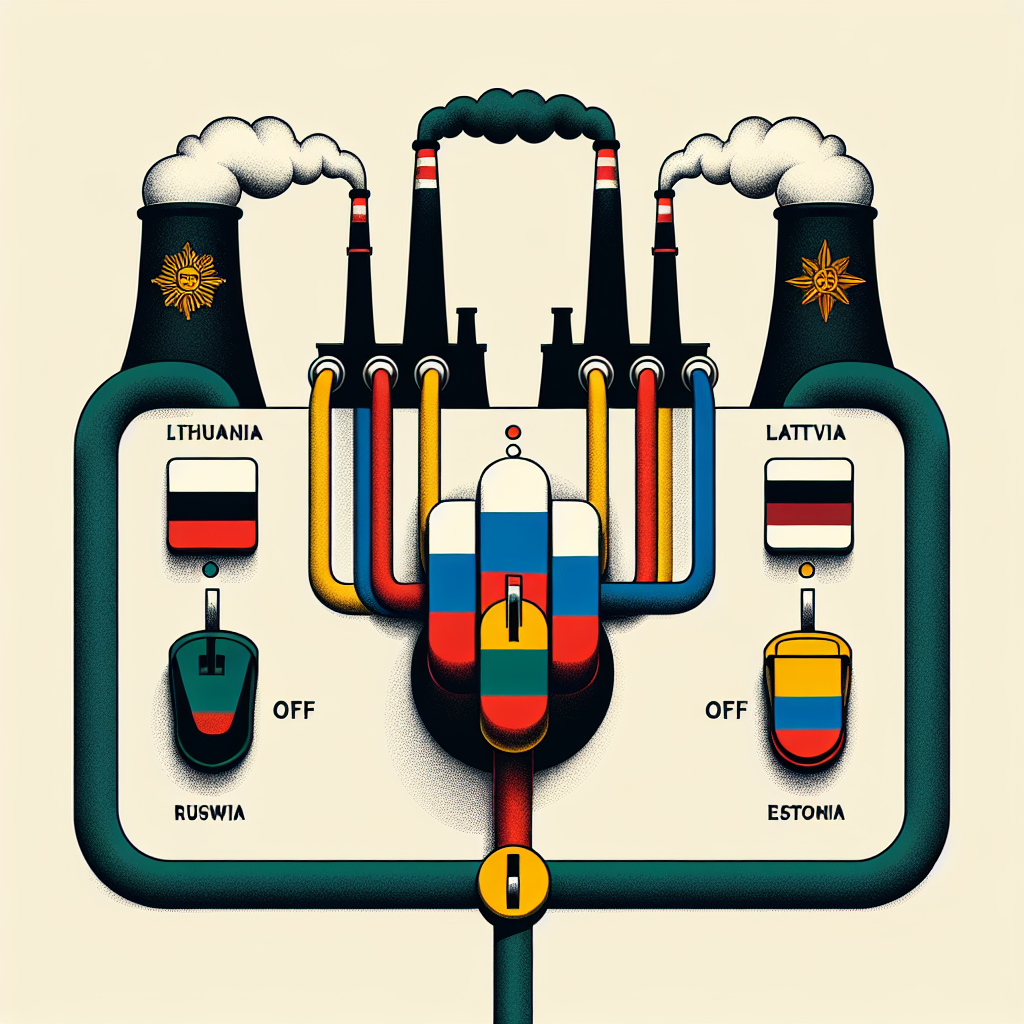
The Baltic States—Estonia, Latvia, and Lithuania—have taken a significant step in their energy independence journey by cutting their last remaining energy ties with Russia. This move marks a pivotal moment in the region’s efforts to reduce reliance on Russian energy and enhance their energy security.

Key Developments
- Complete Disconnection: The Baltic States have fully disconnected from the Russian electricity grid, a process that has been in the works for several years.
- Integration with European Networks: The countries are now fully integrated with the European Union’s energy networks, ensuring a more stable and secure energy supply.
- Strategic Energy Independence: This decision is part of a broader strategy to diversify energy sources and reduce geopolitical vulnerabilities.
Implications for the Region
The severance of energy ties with Russia has several implications for the Baltic States and the broader European region:

- Enhanced Energy Security: By integrating with the EU’s energy grid, the Baltic States have bolstered their energy security and reduced the risk of potential energy blackmail from Russia.
- Economic Impact: The transition may involve initial costs, but it is expected to lead to long-term economic benefits through more competitive energy markets.
- Geopolitical Shift: This move signifies a shift in the geopolitical landscape, reducing Russia’s influence in the region and strengthening EU solidarity.
Conclusion
The Baltic States’ decision to sever their final energy ties with Russia is a landmark achievement in their pursuit of energy independence. By fully integrating with the European Union’s energy networks, they have not only enhanced their energy security but also contributed to a significant geopolitical shift in the region. This strategic move underscores the importance of energy diversification and resilience in the face of geopolitical challenges.