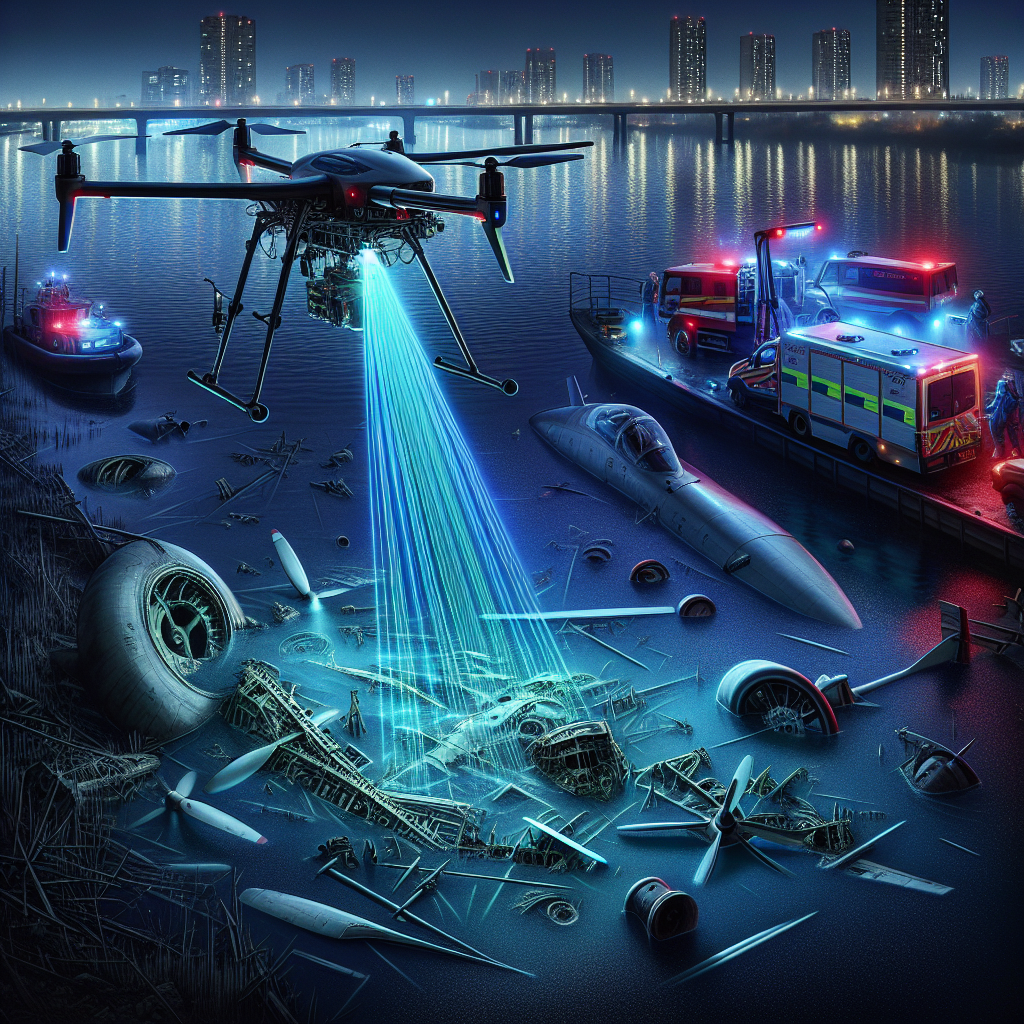
Laser Technology Enhances River Search for Plane and Helicopter Collision Debris Near DC
Laser Technology Enhances River Search for Plane and Helicopter Collision Debris Near DC
Introduction
In a groundbreaking development, laser technology is being utilized to enhance the search for debris following a tragic collision between a plane and a helicopter near Washington, D.C. This innovative approach aims to improve the efficiency and accuracy of recovery efforts in the challenging river environment.

Advanced Search Techniques
The integration of laser technology into search operations marks a significant advancement in the field of disaster recovery. Key features of this technology include:

- High-precision mapping capabilities that allow for detailed scanning of riverbeds.
- Enhanced visibility in murky water conditions, which are common in river environments.
- Real-time data processing to quickly identify potential debris locations.
Benefits of Laser Technology
The use of laser technology in search operations offers several advantages:

- Increased search efficiency, reducing the time required to locate debris.
- Improved safety for search teams by minimizing the need for divers in hazardous conditions.
- Cost-effectiveness by streamlining the search process and reducing resource expenditure.
Impact on Recovery Efforts
The implementation of laser technology is expected to significantly impact recovery efforts by:
- Providing a more comprehensive understanding of the collision site.
- Facilitating quicker recovery of critical evidence for investigation purposes.
- Enhancing collaboration between search teams and technology experts.
Conclusion
The adoption of laser technology in the search for plane and helicopter collision debris near Washington, D.C., represents a pivotal shift in disaster recovery operations. By offering precise mapping, improved visibility, and real-time data processing, this technology not only enhances the efficiency and safety of search efforts but also supports a more thorough investigation process. As such, it sets a new standard for future recovery missions in challenging environments.