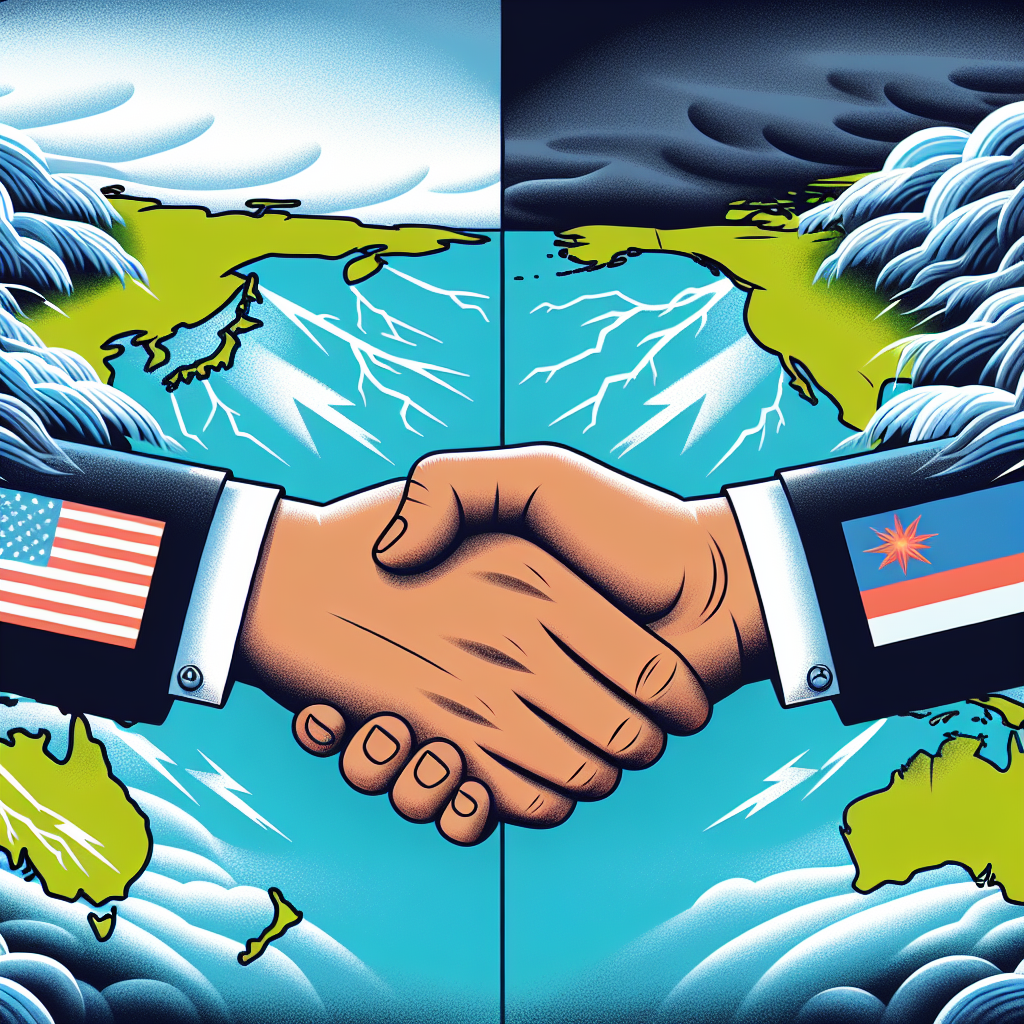
How a China Agreement Sparked Tensions Between the Cook Islands and New Zealand
How a China Agreement Sparked Tensions Between the Cook Islands and New Zealand
Background
The Cook Islands, a self-governing territory in free association with New Zealand, recently entered into an agreement with China. This development has led to rising tensions between the Cook Islands and New Zealand, highlighting geopolitical complexities in the Pacific region.

The Agreement with China
The Cook Islands’ agreement with China involves economic and infrastructure development, aiming to boost the local economy. Key aspects of the agreement include:

- Investment in infrastructure projects such as roads and ports.
- Potential for increased Chinese influence in the region.
- Opportunities for economic growth and job creation in the Cook Islands.
New Zealand’s Concerns
New Zealand has expressed concerns over the agreement, primarily due to strategic and security implications. The main points of contention include:

- Potential erosion of New Zealand’s influence in the Cook Islands.
- Concerns over China’s growing presence in the Pacific.
- Implications for regional security and stability.
Geopolitical Implications
The agreement has broader geopolitical implications, reflecting the ongoing power dynamics in the Pacific. Key insights include:
- The Pacific region is becoming a focal point for global powers.
- Small island nations are navigating complex relationships with larger countries.
- The balance of power in the region is shifting, with China playing an increasingly prominent role.
Conclusion
The agreement between the Cook Islands and China has sparked tensions with New Zealand, underscoring the intricate geopolitical landscape of the Pacific. As small island nations like the Cook Islands seek economic development, they must balance relationships with major powers, navigating the challenges and opportunities that arise from such agreements.