Baltic States Disconnect from Russia’s Power Grid: Here’s Why
Baltic States Disconnect from Russia’s Power Grid: Here’s Why
Introduction
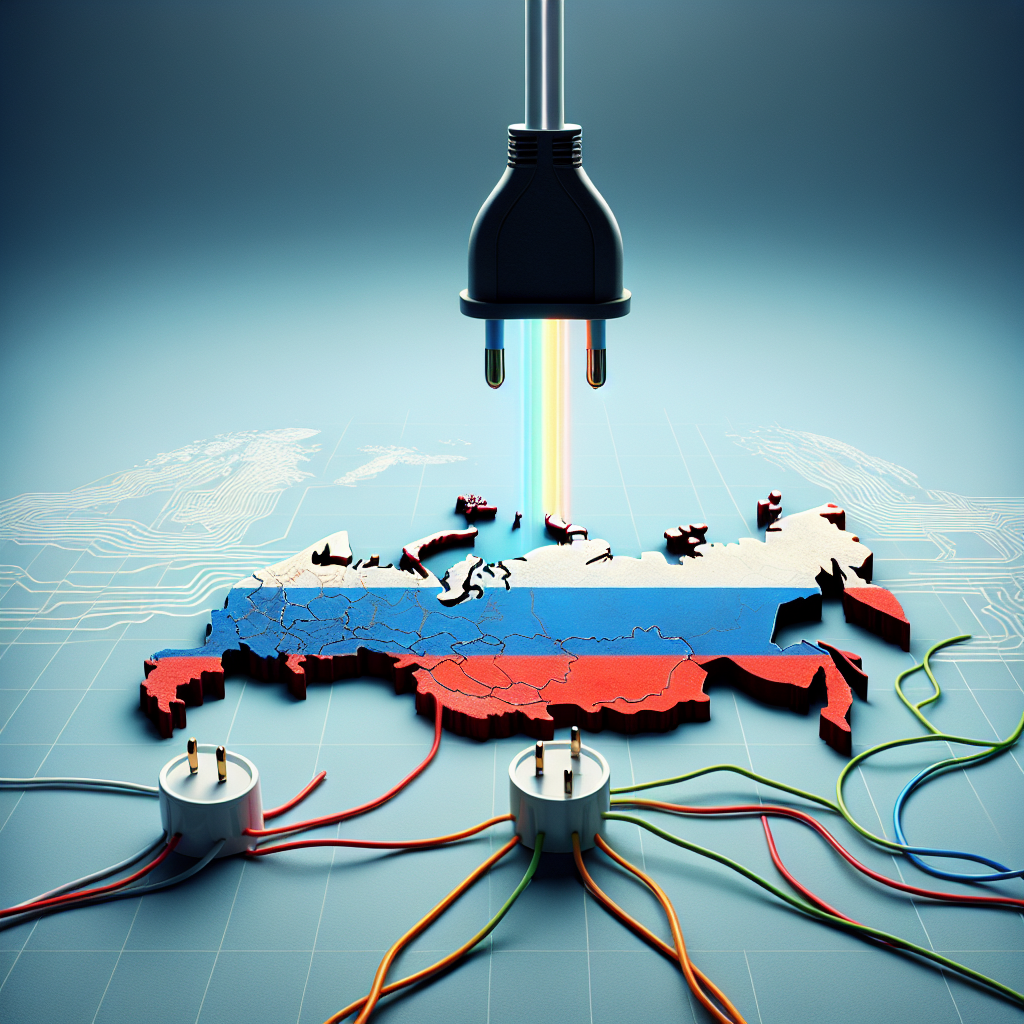
The Baltic States—Estonia, Latvia, and Lithuania—have taken a significant step in their energy independence journey by disconnecting from Russia’s power grid. This move marks a pivotal moment in the region’s energy strategy, aimed at enhancing security and aligning with European Union standards.

Reasons for the Disconnection
- Energy Security: The Baltic States seek to reduce their reliance on Russian energy, which has been a longstanding concern due to geopolitical tensions.
- Integration with EU Systems: By disconnecting from Russia, the Baltic States aim to synchronize their power grids with the European Union’s network, promoting stability and cooperation.
- Political Independence: This move is part of a broader strategy to assert political autonomy and diminish Russian influence in the region.
Implications for the Region
- Enhanced Stability: Integration with the EU grid is expected to provide more reliable and stable energy supplies.
- Economic Opportunities: The transition opens up new avenues for investment in renewable energy and infrastructure development.
- Geopolitical Shift: This disconnection signifies a shift in the geopolitical landscape, potentially influencing future regional dynamics.
Challenges Ahead
- Technical Adjustments: The transition requires significant technical adjustments and investments in infrastructure.
- Cost Implications: The initial costs of integration with the EU grid may be substantial, requiring careful financial planning.
- Coordination with EU: Close coordination with EU partners is essential to ensure a smooth transition and address any potential disruptions.
Conclusion
The Baltic States’ decision to disconnect from Russia’s power grid is a strategic move towards energy independence and political autonomy. By aligning with the European Union’s energy systems, they aim to enhance security, stability, and economic opportunities. While challenges remain, this bold step marks a significant shift in the region’s energy landscape and geopolitical orientation.
Ads

Ads

Ads

Ads

Ads

Ads

Ads

Ads

Ads

Ads

Ads

Ads