Trump Imposes 25% Tariffs on Steel and Aluminum in Trade Conflict
Trump Imposes 25% Tariffs on Steel and Aluminum in Trade Conflict
Introduction to the Tariffs
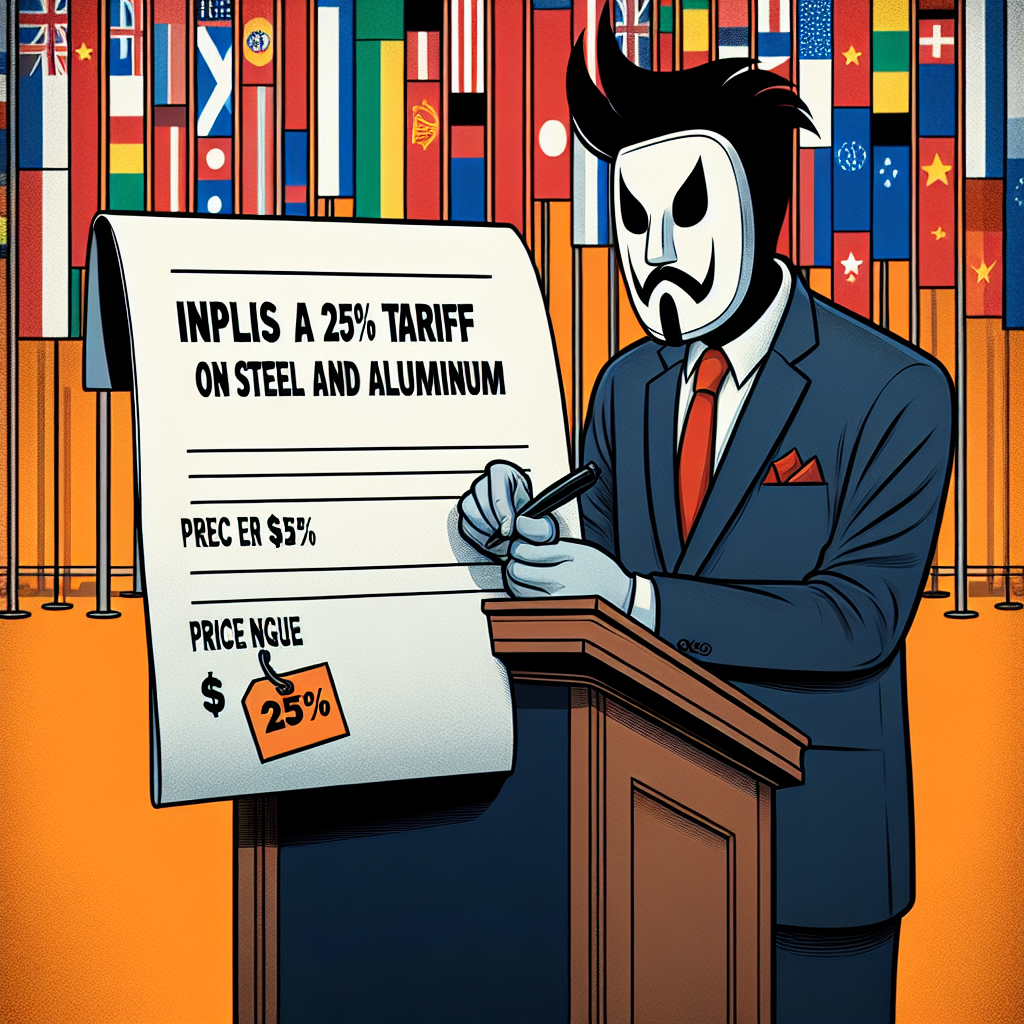
In a bold move to address trade imbalances, former President Donald Trump announced the imposition of a 25% tariff on steel and a 10% tariff on aluminum imports. This decision marked a significant escalation in trade tensions, particularly with key allies and trading partners.

Objectives Behind the Tariffs
The tariffs were introduced with several key objectives in mind:

- Protect Domestic Industries: Aimed at revitalizing the U.S. steel and aluminum industries by reducing foreign competition.
- National Security: Framed as a measure to safeguard national security by ensuring a reliable domestic supply of critical materials.
- Trade Deficit Reduction: Part of a broader strategy to reduce the U.S. trade deficit with other countries.
Global Reactions and Implications
The announcement of these tariffs sparked a range of reactions globally:

- Allied Concerns: Traditional allies, including the European Union and Canada, expressed strong opposition, fearing economic repercussions.
- Retaliatory Measures: Several countries threatened or implemented retaliatory tariffs on U.S. goods, escalating trade tensions.
- Market Volatility: Financial markets experienced increased volatility as investors reacted to potential impacts on global trade.
Domestic Impact and Industry Response
Within the United States, the tariffs had mixed effects:
- Industry Support: Some domestic steel and aluminum producers welcomed the tariffs as a boost to their competitiveness.
- Consumer Concerns: Industries reliant on steel and aluminum, such as automotive and construction, warned of increased costs and potential job losses.
Conclusion
The imposition of tariffs on steel and aluminum by former President Trump was a pivotal moment in U.S. trade policy, aimed at protecting domestic industries and addressing trade imbalances. However, it also led to heightened global tensions and mixed domestic reactions, highlighting the complexities of modern trade dynamics.