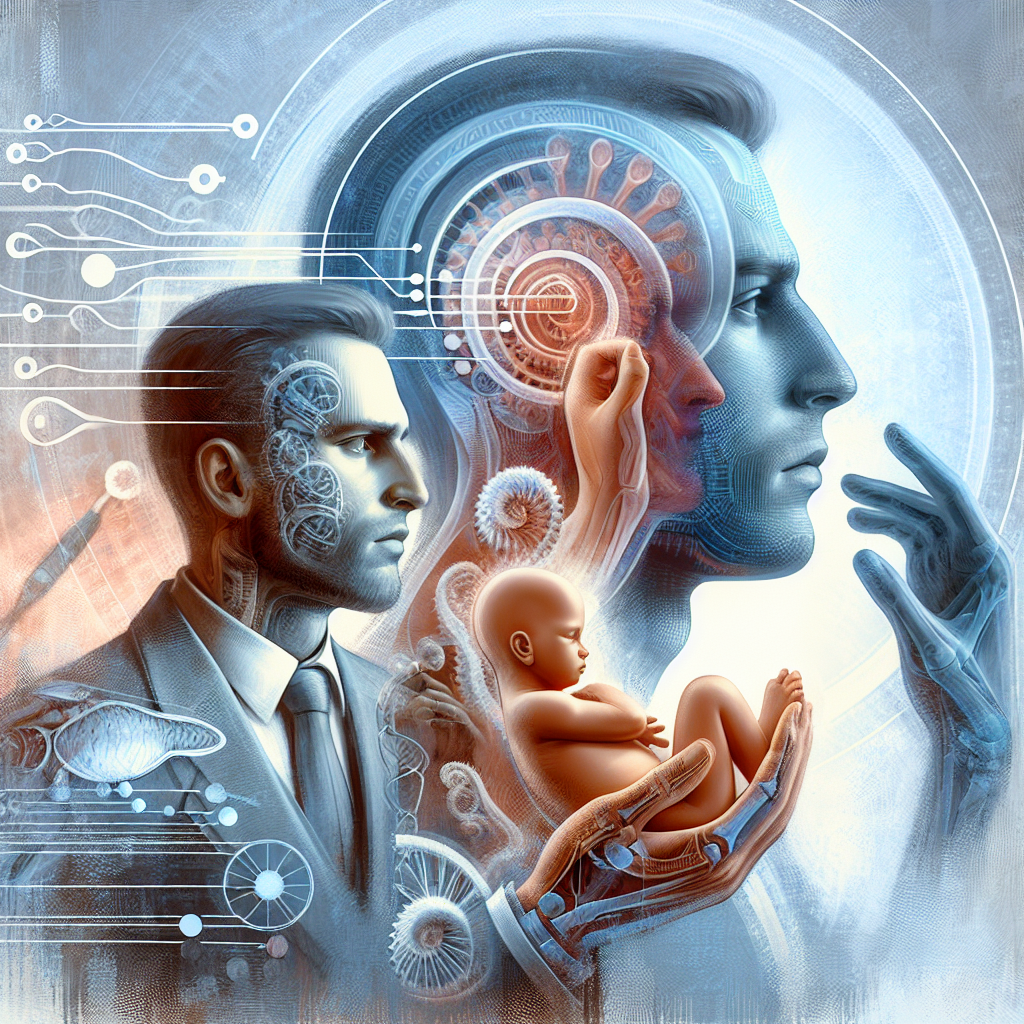
Exploring Reproduction with Two Fathers and No Biological Mother
Exploring Reproduction with Two Fathers and No Biological Mother
Introduction to a Revolutionary Concept
In a groundbreaking development, scientists are exploring the possibility of human reproduction involving two fathers and no biological mother. This innovative approach could redefine traditional concepts of parenthood and family structures.

The Science Behind the Innovation
Researchers are delving into advanced genetic engineering techniques to make this concept a reality. The process involves:

- Utilizing stem cells from male donors to create viable egg cells.
- Employing CRISPR technology to edit genes and ensure healthy embryonic development.
- Conducting rigorous testing to ensure the safety and viability of the embryos.
Potential Implications and Ethical Considerations
This scientific breakthrough could have far-reaching implications, including:

- Providing new reproductive options for same-sex male couples.
- Challenging traditional notions of biological parenthood.
- Raising ethical questions about genetic manipulation and the role of mothers in reproduction.
Challenges and Future Prospects
While the concept is promising, several challenges remain:
- Ensuring the long-term health and safety of children born through this method.
- Navigating complex ethical and legal landscapes.
- Gaining public acceptance and understanding of the technology.
Conclusion
The exploration of reproduction with two fathers and no biological mother represents a significant leap in genetic science. While it offers exciting possibilities for expanding family structures, it also necessitates careful consideration of ethical, legal, and societal impacts. As research progresses, it will be crucial to balance innovation with responsibility.