Trump Implements Steel and Aluminum Tariffs Effective March 12
Trump Implements Steel and Aluminum Tariffs Effective March 12
Introduction to the Tariffs
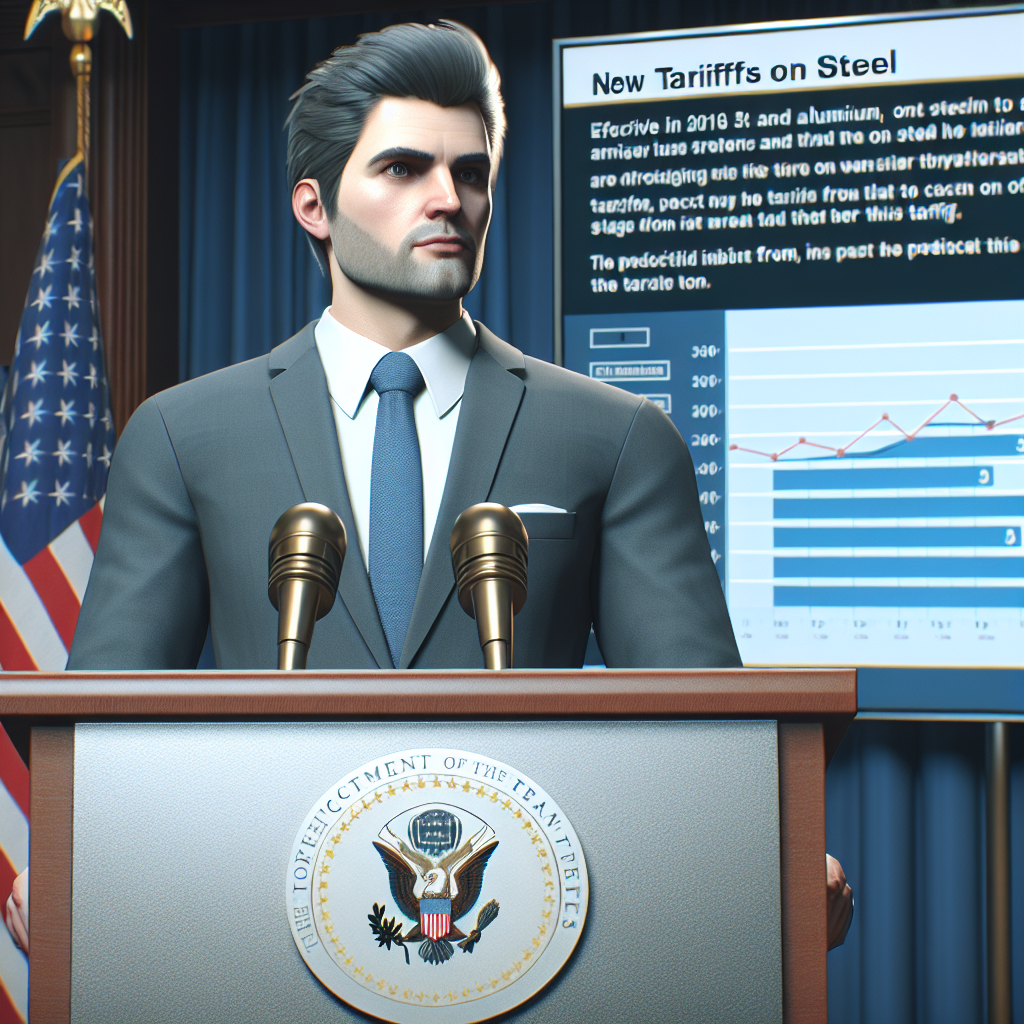
In a significant move impacting international trade, President Donald Trump has announced the implementation of tariffs on steel and aluminum imports. These tariffs are set to take effect on March 12, marking a pivotal shift in U.S. trade policy aimed at bolstering domestic industries.

Key Details of the Tariffs
- Steel Tariff: A 25% tariff will be imposed on imported steel.
- Aluminum Tariff: A 10% tariff will be applied to imported aluminum.
- Exemptions: Certain countries may be exempted based on national security considerations and trade negotiations.
Rationale Behind the Tariffs
The Trump administration argues that these tariffs are necessary to protect American jobs and industries from unfair foreign competition. The move is also seen as a step towards reducing the U.S. trade deficit and revitalizing the manufacturing sector.

Potential Impacts and Reactions
- Domestic Impact: The tariffs are expected to benefit U.S. steel and aluminum producers by reducing foreign competition.
- International Response: Several countries have expressed concerns, warning of potential trade wars and retaliatory measures.
- Market Reactions: Financial markets have shown volatility in response to the announcement, reflecting investor uncertainty.
Conclusion
The implementation of steel and aluminum tariffs by President Trump represents a bold move in U.S. trade policy, aimed at protecting domestic industries. While it promises benefits for American producers, it also raises concerns about international trade relations and market stability. As the tariffs take effect on March 12, the global economic landscape may witness significant shifts.