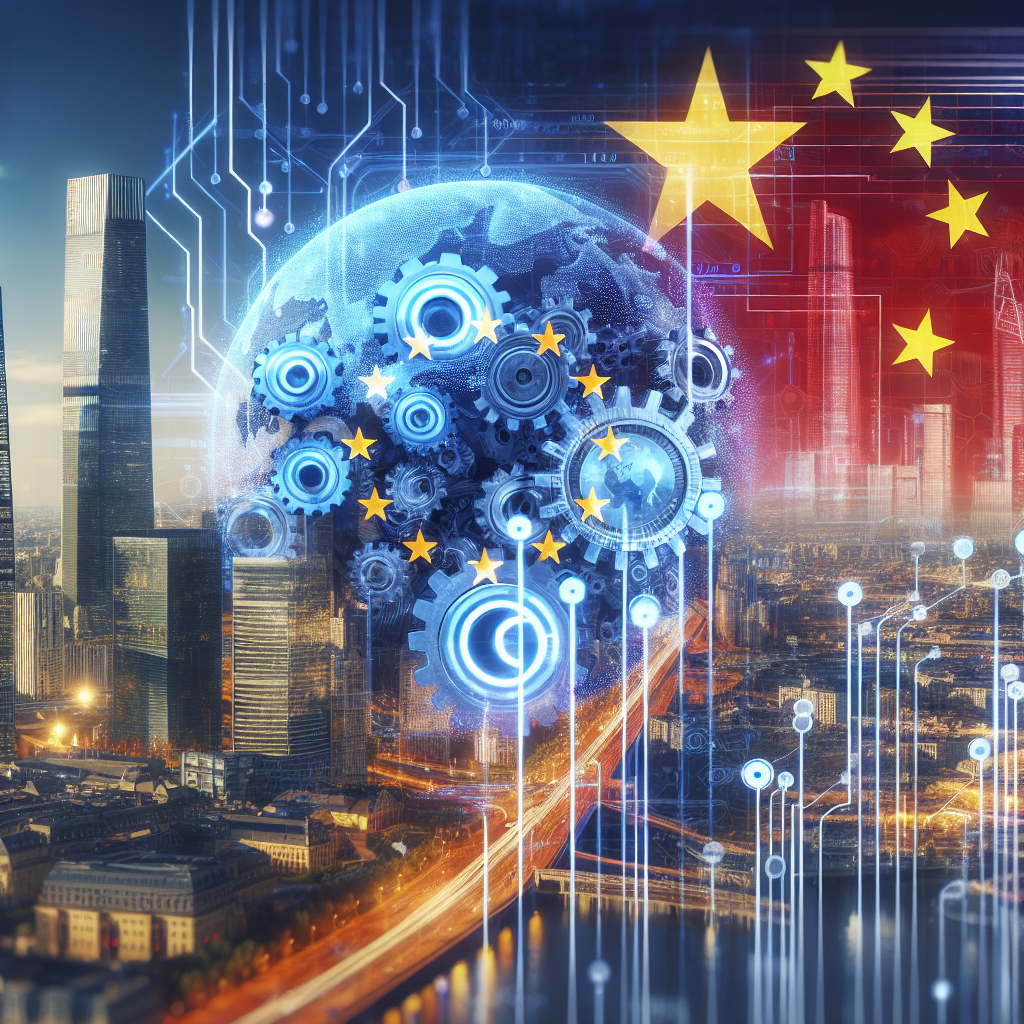
Could Streamlined AI Regulations in Europe Spark Competition with the US and China?
Could Streamlined AI Regulations in Europe Spark Competition with the US and China?
Introduction
As artificial intelligence (AI) continues to revolutionize industries worldwide, Europe is considering streamlined regulations to foster innovation and competitiveness. This move could position Europe as a formidable player in the global AI landscape, challenging the dominance of the US and China.

Key Drivers of Streamlined AI Regulations
- Innovation Boost: Simplified regulations aim to accelerate AI development and deployment across various sectors.
- Economic Growth: By reducing bureaucratic hurdles, Europe hopes to attract more investments and stimulate economic growth.
- Global Competitiveness: Streamlined regulations could enhance Europe’s ability to compete with AI powerhouses like the US and China.
Potential Benefits for Europe
- Increased Investment: A more favorable regulatory environment could attract global tech companies and startups.
- Job Creation: The AI sector’s expansion is expected to create numerous job opportunities across Europe.
- Technological Leadership: Europe could emerge as a leader in ethical AI development, setting global standards.
Challenges and Considerations
- Balancing Innovation and Safety: Ensuring that regulations do not compromise safety and ethical standards is crucial.
- Harmonization Across Member States: Achieving consensus among EU member states on AI regulations could be challenging.
- Competition with Established Giants: Competing with the well-established AI ecosystems of the US and China will require strategic planning and investment.
Conclusion
Streamlined AI regulations in Europe present a promising opportunity to enhance the region’s competitiveness in the global AI arena. By fostering innovation, attracting investment, and creating jobs, Europe could challenge the dominance of the US and China. However, careful consideration of safety, ethical standards, and harmonization across member states will be essential to realize these benefits.
Ads

Ads

Ads

Ads

Ads

Ads

Ads

Ads

Ads

Ads

Ads

Ads