Russia Declines Territory Exchange Proposal with Ukraine
Russia Declines Territory Exchange Proposal with Ukraine
Background of the Proposal
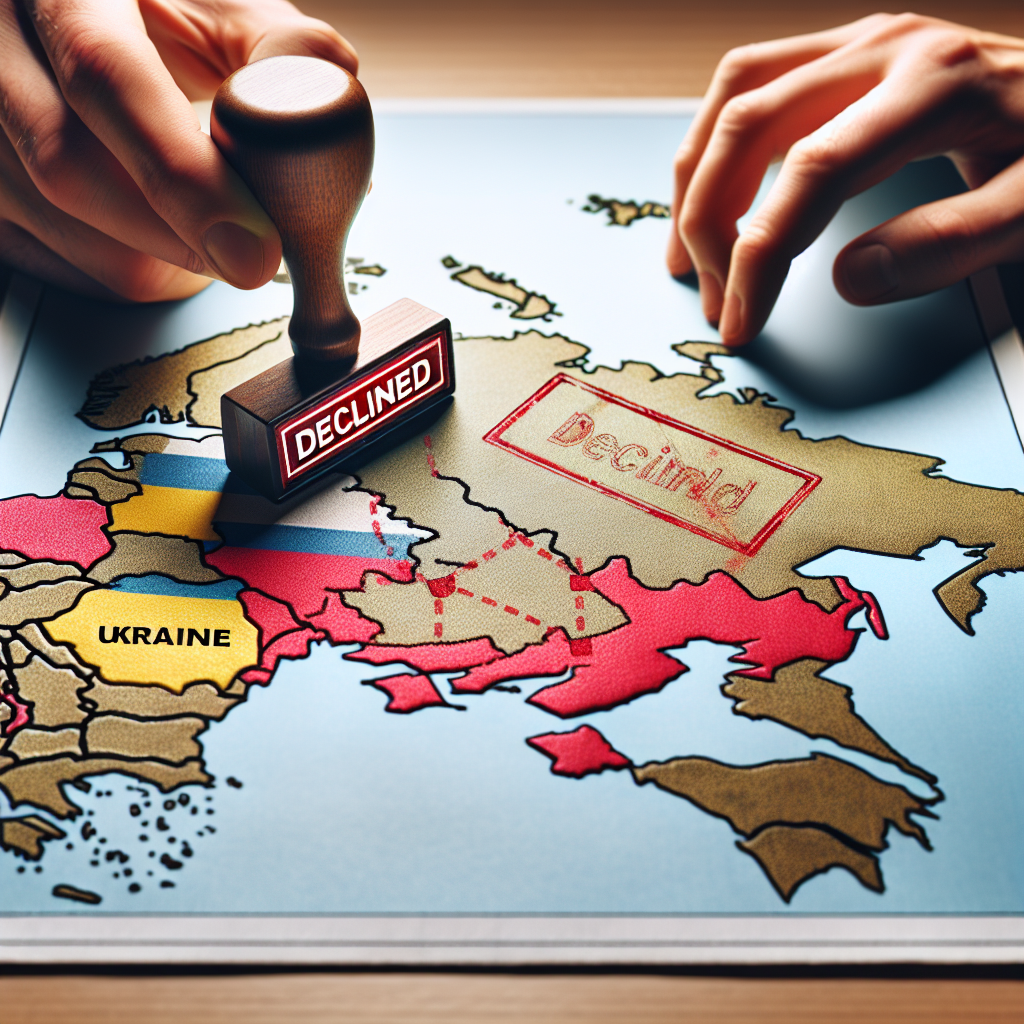
In a recent diplomatic development, Russia has turned down a proposal from Ukraine that involved a potential exchange of territories. This proposal was aimed at resolving ongoing tensions and territorial disputes between the two nations.

Key Aspects of the Proposal
- The proposal was intended to address longstanding territorial conflicts.
- It included a strategic exchange of specific regions to foster peace and stability.
- Both nations have been in conflict over these territories since 2014.
Russia’s Response
Russia’s government officially declined the proposal, citing several reasons for their decision:

- Concerns over national security and territorial integrity.
- Political implications of altering current borders.
- Potential backlash from domestic and international stakeholders.
Implications for Ukraine
Ukraine’s efforts to negotiate a peaceful resolution have been met with a setback. The rejection of the proposal means:

- Continued diplomatic efforts are necessary to find alternative solutions.
- Potential escalation of tensions if no agreement is reached.
- Increased focus on international support and alliances.
International Reactions
The international community has been closely monitoring the situation, with varied reactions:
- Some countries have expressed disappointment over the missed opportunity for peace.
- Others have called for renewed dialogue and negotiations.
- International organizations emphasize the importance of a peaceful resolution.
Conclusion
The rejection of the territory exchange proposal by Russia marks a significant moment in the ongoing conflict with Ukraine. While the proposal aimed to bring about a peaceful resolution, the refusal highlights the complexities and challenges in achieving lasting peace. Moving forward, both nations will need to explore alternative diplomatic avenues to address their disputes and work towards stability in the region.