Paris AI Summit: The US and UK’s Hesitation on a Global AI Pact
Paris AI Summit: The US and UK’s Hesitation on a Global AI Pact
Introduction
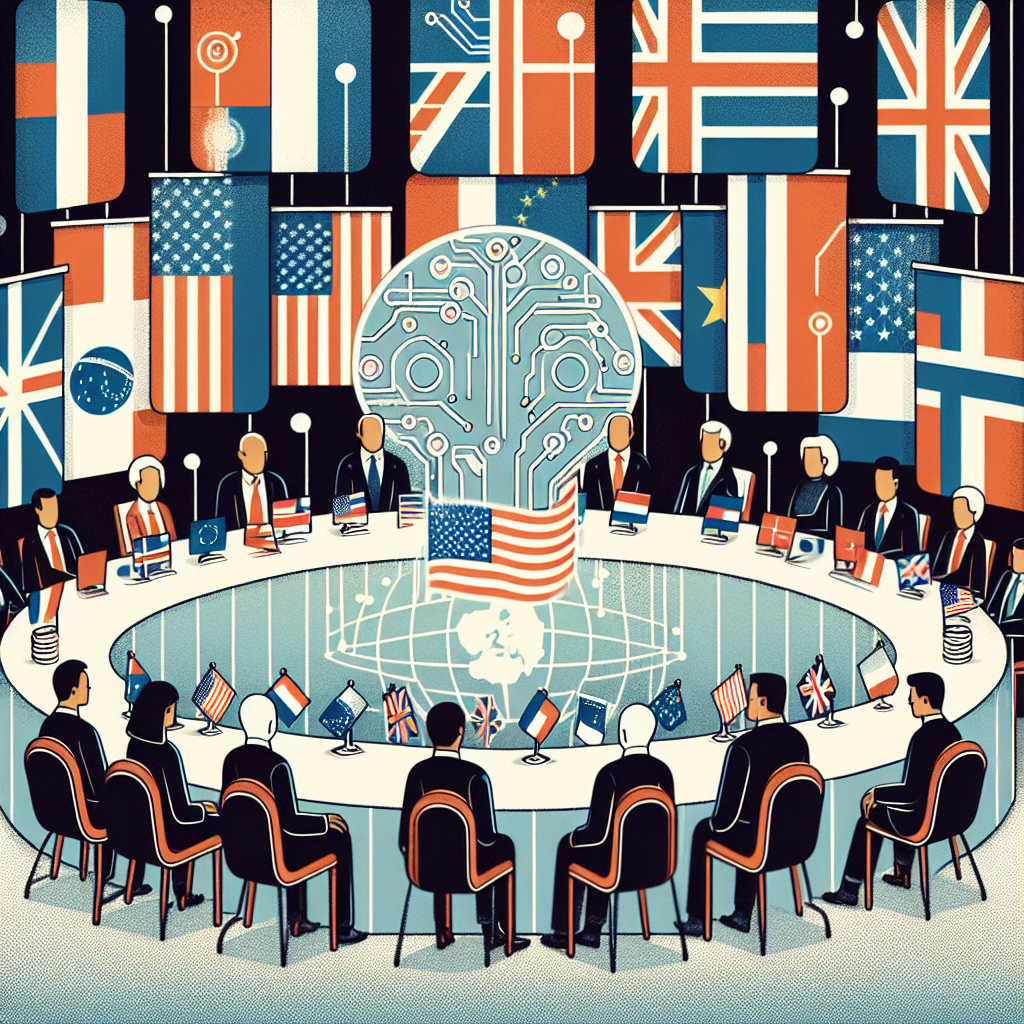
The Paris AI Summit recently highlighted a significant global discourse on artificial intelligence (AI) governance. While many nations are pushing for a comprehensive international agreement, the United States and the United Kingdom have shown reluctance, raising questions about the future of global AI regulation.

Key Discussions at the Summit
The summit brought together leaders and experts to discuss the potential and challenges of AI. Key topics included:

- The need for a unified global framework to regulate AI technologies.
- Concerns over ethical implications and the potential misuse of AI.
- The role of AI in economic growth and innovation.
The US and UK’s Stance
Despite the push for a global pact, the US and UK have expressed reservations, citing several reasons:

- National Sovereignty: Both countries emphasize the importance of maintaining control over their AI policies.
- Innovation Concerns: There is a fear that strict regulations could stifle innovation and competitiveness.
- Existing Frameworks: The US and UK prefer to build on existing international agreements rather than creating new ones.
Global Reactions
The hesitation from these major players has sparked varied reactions:
- Support for a Global Pact: Many countries and organizations advocate for a cohesive approach to prevent AI-related risks.
- Criticism of Hesitation: Some argue that the reluctance of the US and UK could hinder global progress in AI governance.
Conclusion
The Paris AI Summit underscored the complexities of establishing a global AI pact. While the US and UK remain cautious, the dialogue continues, highlighting the need for balance between innovation and regulation. The outcome of these discussions will significantly shape the future of AI governance worldwide.