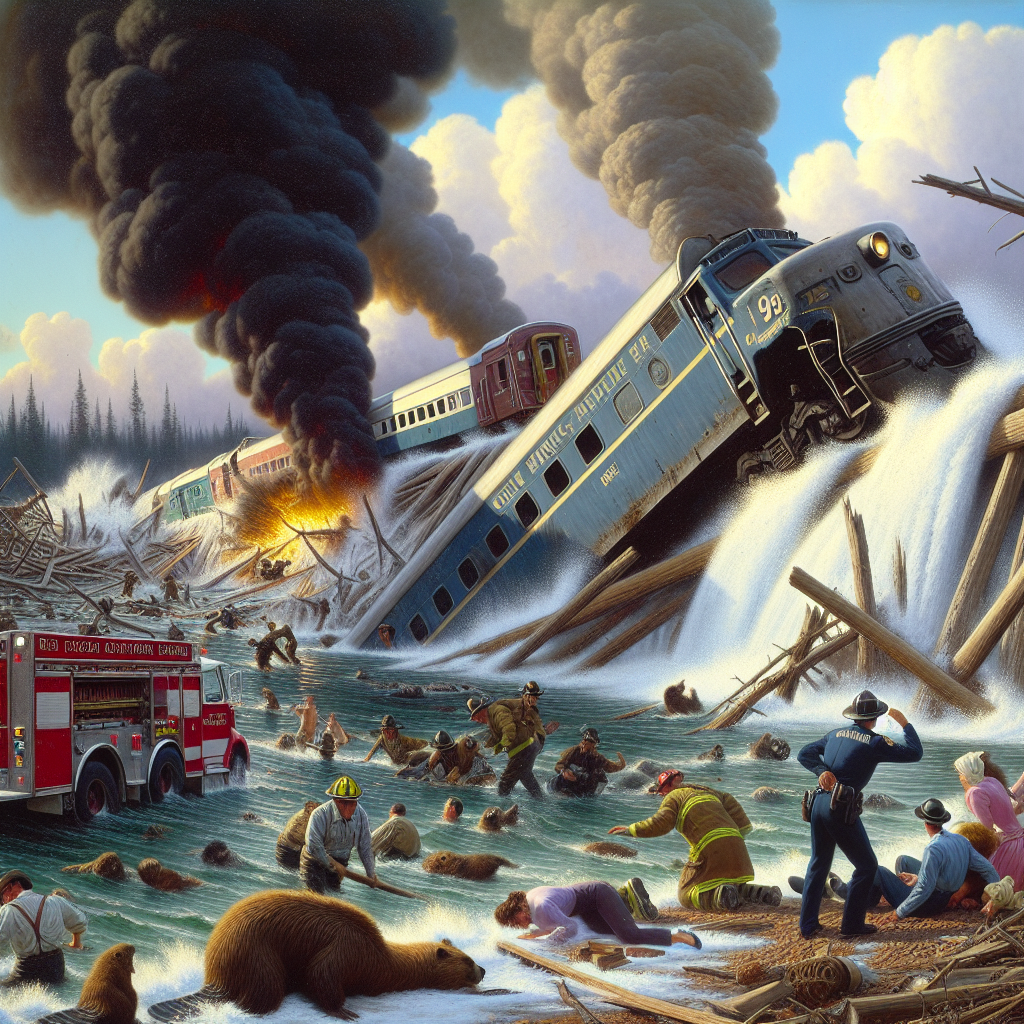
Beaver Dam Causes Maine Train Derailment, Resulting in Injuries and Fire: Officials
Beaver Dam Causes Maine Train Derailment
Incident Overview
A train derailment in Maine has been attributed to a beaver dam, leading to significant disruptions and safety concerns. The unexpected event resulted in injuries and a subsequent fire, drawing attention to the impact of natural wildlife activities on infrastructure.

Key Details
- Location: The derailment occurred in a rural area of Maine, highlighting the challenges of maintaining infrastructure in remote regions.
- Cause: Officials have identified a beaver dam as the primary cause, which led to track instability and the eventual derailment.
- Injuries: Several individuals sustained injuries, though the extent of these injuries has not been fully disclosed.
- Fire: The derailment sparked a fire, complicating rescue and recovery efforts.
Response and Recovery
Emergency services responded promptly to the scene, working to contain the fire and provide medical assistance to the injured. Efforts are underway to clear the tracks and assess the damage caused by the derailment.

Implications and Insights
- Infrastructure Vulnerability: The incident underscores the vulnerability of infrastructure to natural wildlife activities, prompting discussions on preventive measures.
- Wildlife Management: The role of wildlife in infrastructure planning and management is being re-evaluated to prevent similar incidents in the future.
- Safety Protocols: The event has highlighted the need for robust safety protocols to mitigate risks associated with natural disruptions.
Conclusion
The Maine train derailment caused by a beaver dam serves as a stark reminder of the intricate balance between nature and human infrastructure. As officials work to address the immediate aftermath, the incident prompts a broader conversation on enhancing safety measures and wildlife management to prevent future occurrences.