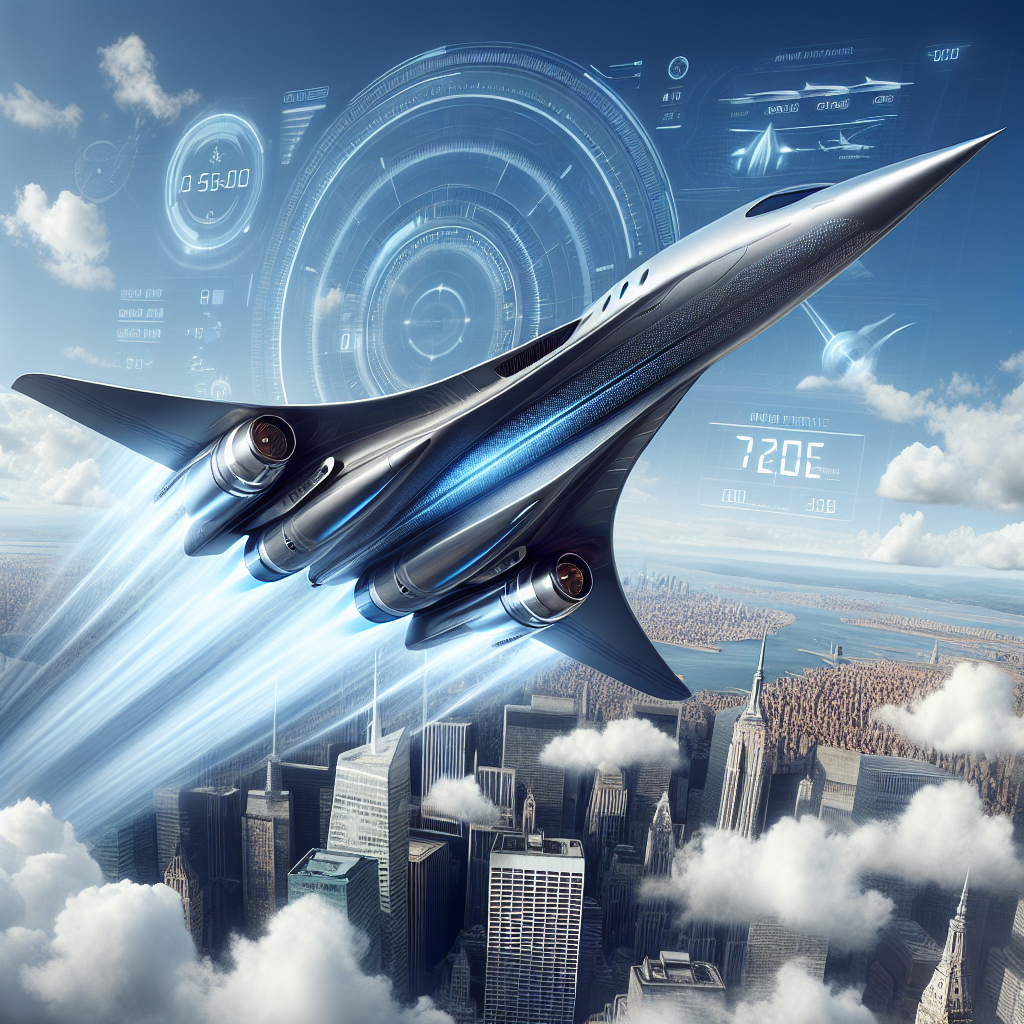
Successful Supersonic Jet Test Promises to Halve New York-Rome Travel Time
Successful Supersonic Jet Test Promises to Halve New York-Rome Travel Time
Introduction to the Breakthrough
A recent successful test of a supersonic jet has sparked excitement in the aviation industry, promising to revolutionize international travel by significantly reducing flight times. This development could transform the way we think about long-distance travel, making it faster and more efficient.

Key Highlights of the Supersonic Jet Test
- Speed and Efficiency: The supersonic jet is designed to travel at speeds exceeding Mach 1, potentially cutting the New York to Rome flight time from approximately 8 hours to just 4 hours.
- Technological Advancements: The jet incorporates cutting-edge technology to ensure safety, fuel efficiency, and reduced noise pollution, addressing some of the major concerns associated with supersonic travel.
- Environmental Considerations: Developers are focused on minimizing the environmental impact, with innovations aimed at reducing carbon emissions compared to traditional aircraft.
Implications for the Aviation Industry
The successful test of this supersonic jet could have far-reaching implications for the aviation industry, including:

- Increased Competition: Airlines may need to adapt to the new technology to remain competitive, potentially leading to a surge in innovation and improved services.
- Market Expansion: Faster travel times could open up new markets and increase demand for international travel, benefiting both airlines and travelers.
- Regulatory Challenges: The introduction of supersonic jets will require updates to aviation regulations and air traffic management systems to accommodate the new technology.
Conclusion
The successful test of the supersonic jet marks a significant milestone in aviation history, promising to halve travel times between major international destinations like New York and Rome. With its potential to transform air travel, this innovation could lead to increased competition, market expansion, and a reevaluation of current aviation regulations. As the industry moves forward, the focus will remain on balancing speed, efficiency, and environmental responsibility.