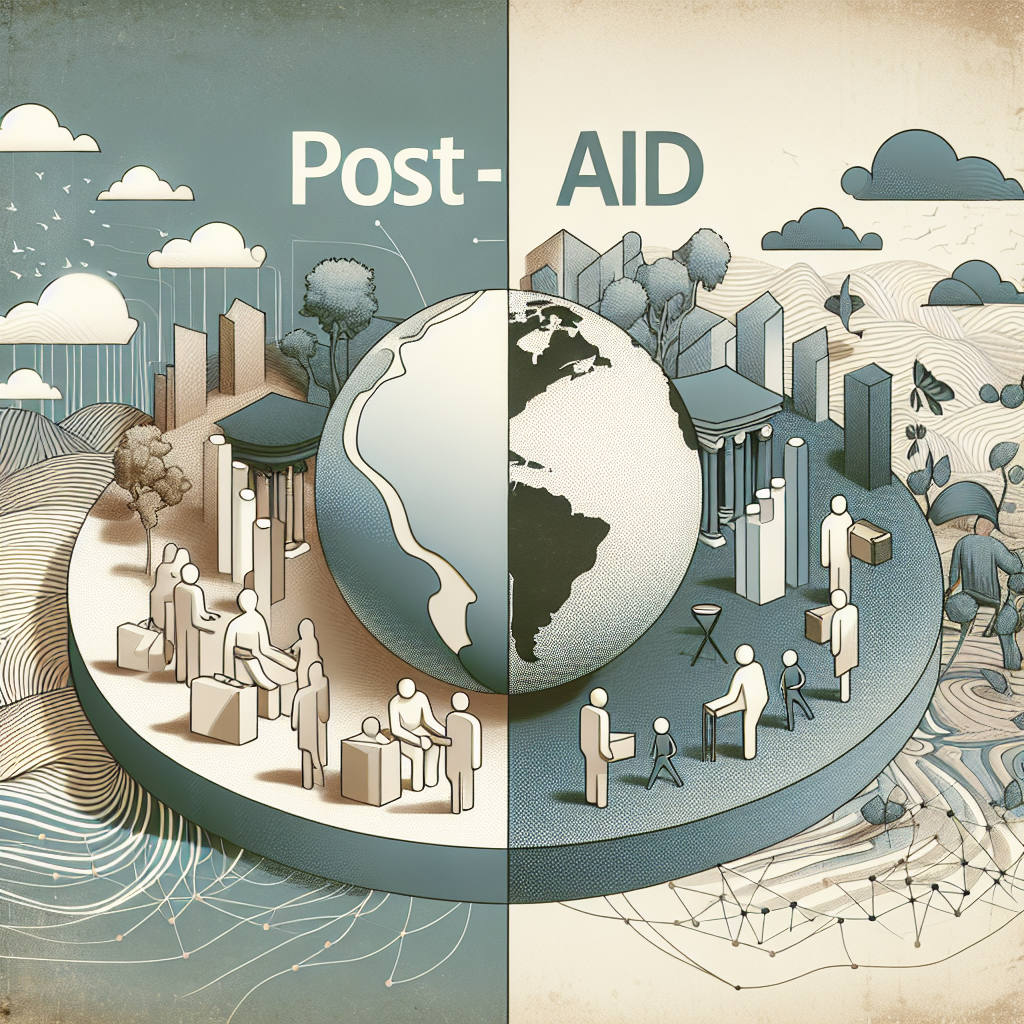
Opinion: Are We Entering a ‘Post-Aid’ Era?
Opinion: Are We Entering a ‘Post-Aid’ Era?
Introduction
The concept of a ‘Post-Aid’ era is gaining traction as global dynamics shift. This opinion piece explores whether traditional aid models are becoming obsolete and what this means for international development.

Changing Global Dynamics
Several factors are contributing to the potential decline of traditional aid:

- Economic Growth: Many developing countries are experiencing significant economic growth, reducing their reliance on foreign aid.
- Technological Advancements: Technology is enabling countries to leapfrog traditional development stages, fostering self-sufficiency.
- Geopolitical Shifts: Emerging powers are reshaping global influence, altering the traditional donor-recipient relationships.
Critiques of Traditional Aid
Critics argue that traditional aid models are outdated and often ineffective:

- Dependency Issues: Long-term aid can create dependency rather than fostering independence.
- Inefficiency: Bureaucratic processes can lead to misallocation of resources and lack of accountability.
- One-Size-Fits-All: Standardized aid solutions may not address the unique needs of individual countries.
Emerging Alternatives
New approaches are being considered to replace or supplement traditional aid:
- Investment Over Aid: Encouraging private investment in developing countries to stimulate sustainable growth.
- Partnership Models: Collaborative efforts that involve local stakeholders in decision-making processes.
- Technology-Driven Solutions: Leveraging digital tools to address specific development challenges.
Conclusion
The potential shift towards a ‘Post-Aid’ era reflects a broader transformation in how global development is approached. While traditional aid has played a crucial role in the past, evolving global circumstances and critiques of its effectiveness are prompting a reevaluation. Embracing innovative alternatives could lead to more sustainable and equitable development outcomes.