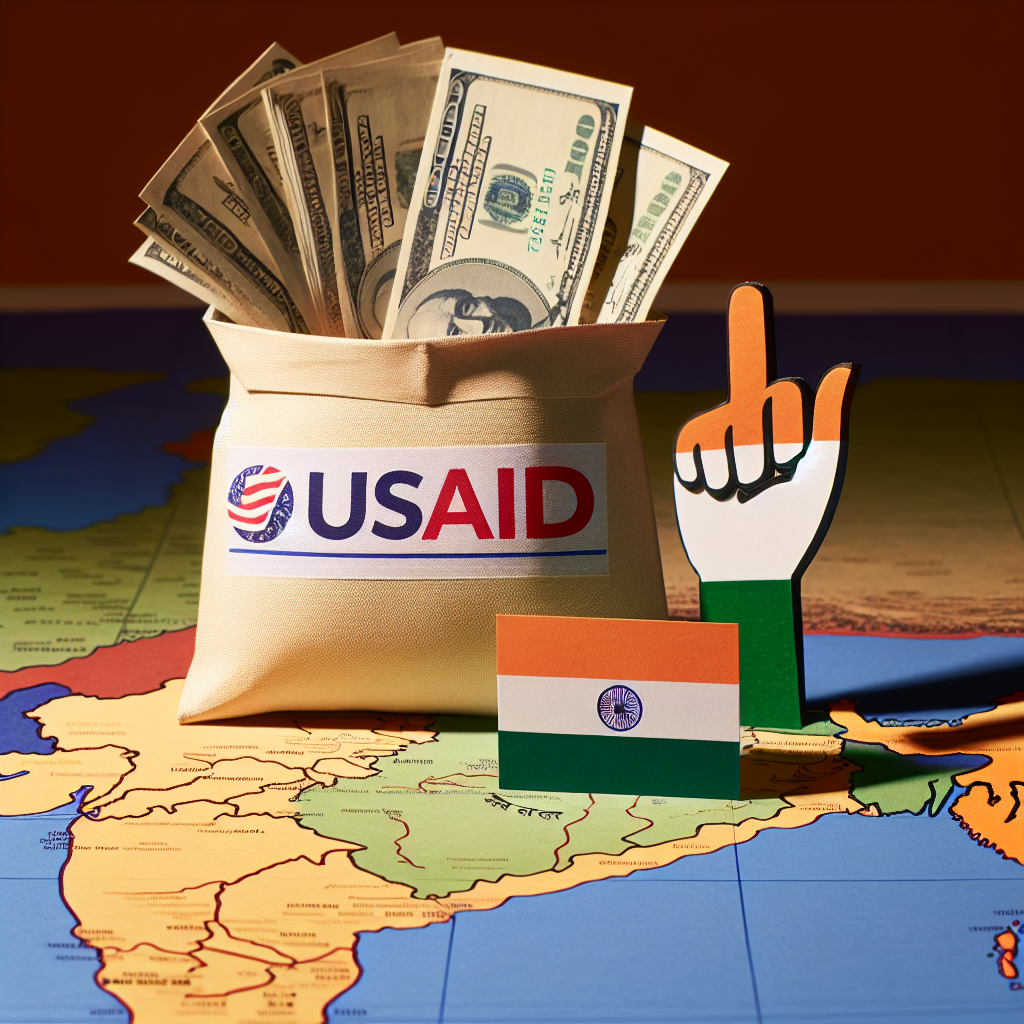
USAID Allocates $21 Million to Boost Voter Participation in India
USAID Allocates $21 Million to Boost Voter Participation in India
Introduction
The United States Agency for International Development (USAID) has announced a significant financial commitment aimed at enhancing voter participation in India. This initiative underscores the importance of democratic engagement and seeks to empower citizens in the world’s largest democracy.

Key Objectives
The USAID funding is directed towards several strategic goals to improve the electoral process and increase voter turnout in India.

- Enhancing Voter Education: Initiatives to educate citizens about the voting process and the importance of their participation.
- Strengthening Electoral Systems: Support for technological and procedural improvements to ensure free and fair elections.
- Promoting Inclusivity: Efforts to engage marginalized communities and ensure their voices are heard in the electoral process.
Implementation Strategies
USAID plans to collaborate with local organizations and government bodies to effectively implement these initiatives.

- Partnerships with NGOs: Working with non-governmental organizations to reach diverse communities.
- Capacity Building: Training programs for election officials and volunteers to enhance their capabilities.
- Public Awareness Campaigns: Utilizing media and outreach programs to inform and motivate voters.
Expected Outcomes
The funding is expected to lead to several positive outcomes that will strengthen India’s democratic framework.
- Increased Voter Turnout: A higher percentage of eligible voters participating in elections.
- Improved Electoral Integrity: More transparent and credible election processes.
- Empowered Citizenry: A more informed and engaged population actively participating in democratic governance.
Conclusion
USAID’s $21 million allocation represents a significant investment in the democratic process of India. By focusing on voter education, system strengthening, and inclusivity, this initiative aims to foster a more robust and participatory democracy. The collaboration with local entities and the emphasis on capacity building and public awareness are expected to yield substantial improvements in voter engagement and electoral integrity.