Chilling Relations: The Current State of India-Bangladesh Ties
Chilling Relations: The Current State of India-Bangladesh Ties
Introduction
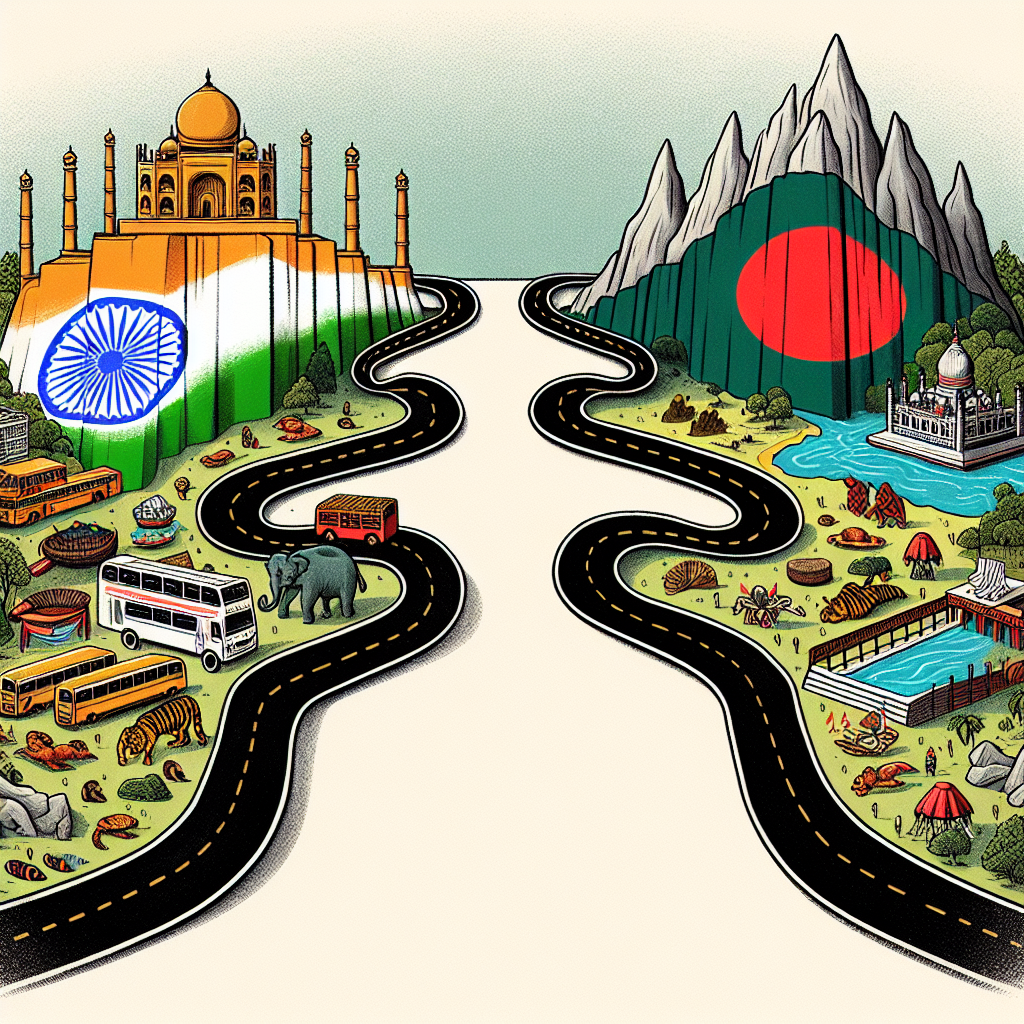
The diplomatic relationship between India and Bangladesh, historically marked by cooperation and mutual support, is currently experiencing a period of tension. This shift is influenced by various political, economic, and social factors that are reshaping the dynamics between these neighboring countries.

Key Issues Straining Relations
- Water Sharing Disputes: The long-standing disagreement over the sharing of river waters, particularly the Teesta River, remains unresolved, causing friction.
- Border Management: Issues related to border security and illegal immigration continue to be contentious topics.
- Trade Imbalances: Economic disparities and trade imbalances are contributing to the growing unease between the two nations.
- Political Alignments: Shifts in political alliances and regional strategies are influencing bilateral relations.
Efforts to Mend Ties
Despite the challenges, both countries are making efforts to improve their relationship through diplomatic channels and bilateral talks. Key initiatives include:

- High-level meetings to address water-sharing agreements.
- Collaborative efforts to enhance border security and manage immigration issues.
- Negotiations aimed at balancing trade and economic cooperation.
Public Perception and Media Influence
Media portrayal and public opinion in both countries play a significant role in shaping the narrative of India-Bangladesh relations. Sensationalized reporting can exacerbate tensions, while balanced coverage can foster understanding and cooperation.

Conclusion
The current state of India-Bangladesh ties is complex, with multiple factors contributing to the cooling of relations. However, ongoing diplomatic efforts and a focus on mutual interests provide a pathway to potentially restore and strengthen the partnership. The resolution of key issues such as water sharing and trade imbalances will be crucial in determining the future trajectory of this bilateral relationship.