Analysis: US, Russia, and China Engage in New Middle East Diplomacy
Analysis: US, Russia, and China Engage in New Middle East Diplomacy
Introduction
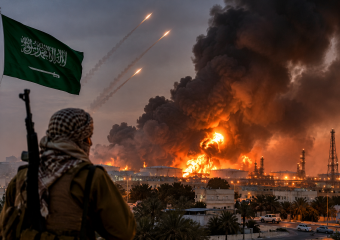
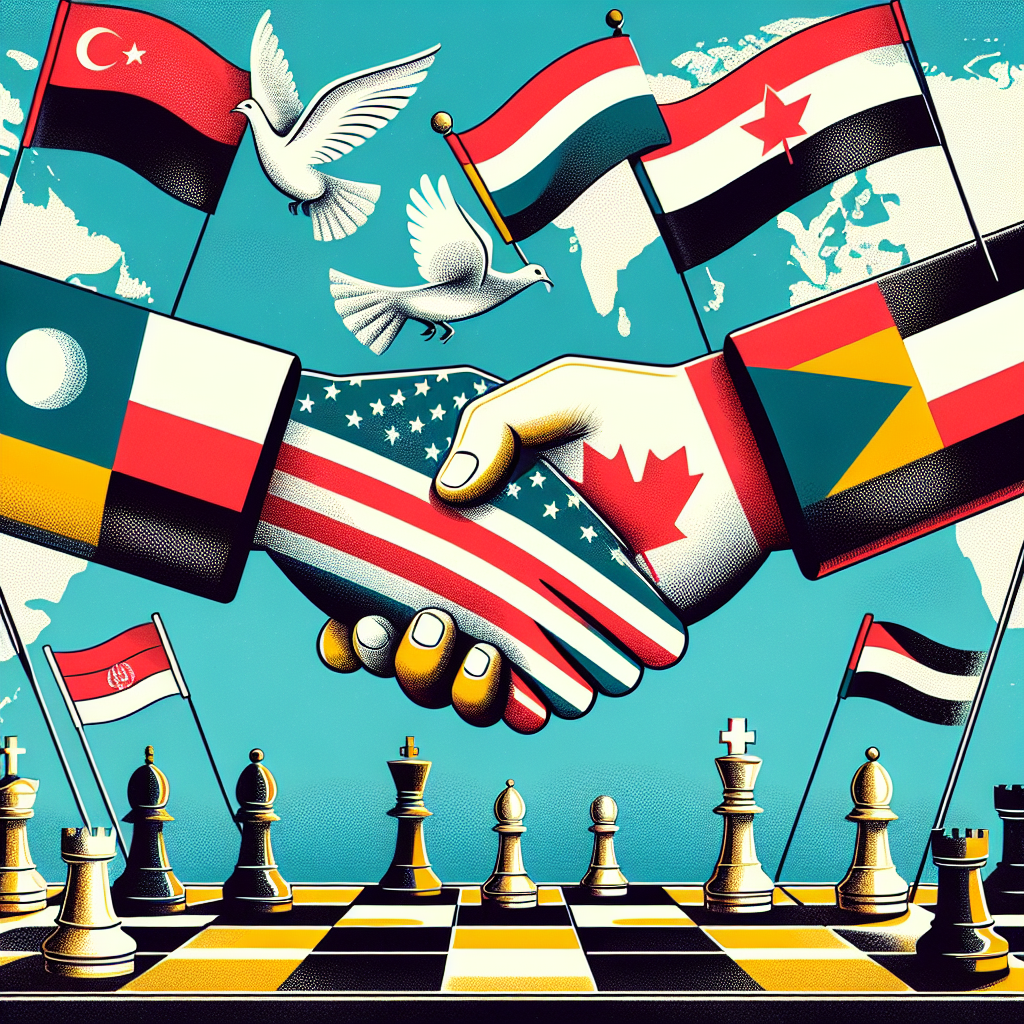
The geopolitical landscape of the Middle East is witnessing a significant shift as the United States, Russia, and China intensify their diplomatic efforts in the region. This renewed focus is driven by strategic interests, economic opportunities, and the desire to influence regional stability.

Key Players and Their Strategies
United States
- Re-engagement: The US is reasserting its presence in the Middle East, focusing on traditional alliances and counterterrorism efforts.
- Energy Interests: Ensuring the security of energy resources remains a top priority.
- Diplomatic Initiatives: The US is promoting peace talks and conflict resolution, particularly in areas like Israel-Palestine and Yemen.
Russia
- Military Influence: Russia continues to expand its military footprint, particularly in Syria, to bolster its regional influence.
- Economic Partnerships: Moscow is forging economic ties, focusing on arms sales and energy projects.
- Strategic Alliances: Strengthening relationships with key players like Iran and Turkey to counterbalance US influence.
China
- Belt and Road Initiative: China is investing heavily in infrastructure projects to enhance connectivity and trade.
- Economic Diplomacy: Beijing is leveraging economic tools to build partnerships and secure energy supplies.
- Non-Interference Policy: Maintaining a stance of non-interference while promoting stability through economic development.
Regional Implications
The involvement of these major powers is reshaping the Middle East’s political and economic dynamics. Their actions are influencing local conflicts, economic development, and the balance of power among regional actors.

Conclusion
The renewed diplomatic efforts by the US, Russia, and China in the Middle East highlight a complex interplay of strategic interests. While each power pursues its own agenda, their actions collectively impact regional stability and development. Understanding these dynamics is crucial for anticipating future geopolitical shifts in the region.