Agricultural Offensive: Burkina Faso | Africa’s New Pathways
Agricultural Offensive: Burkina Faso | Africa’s New Pathways
Introduction
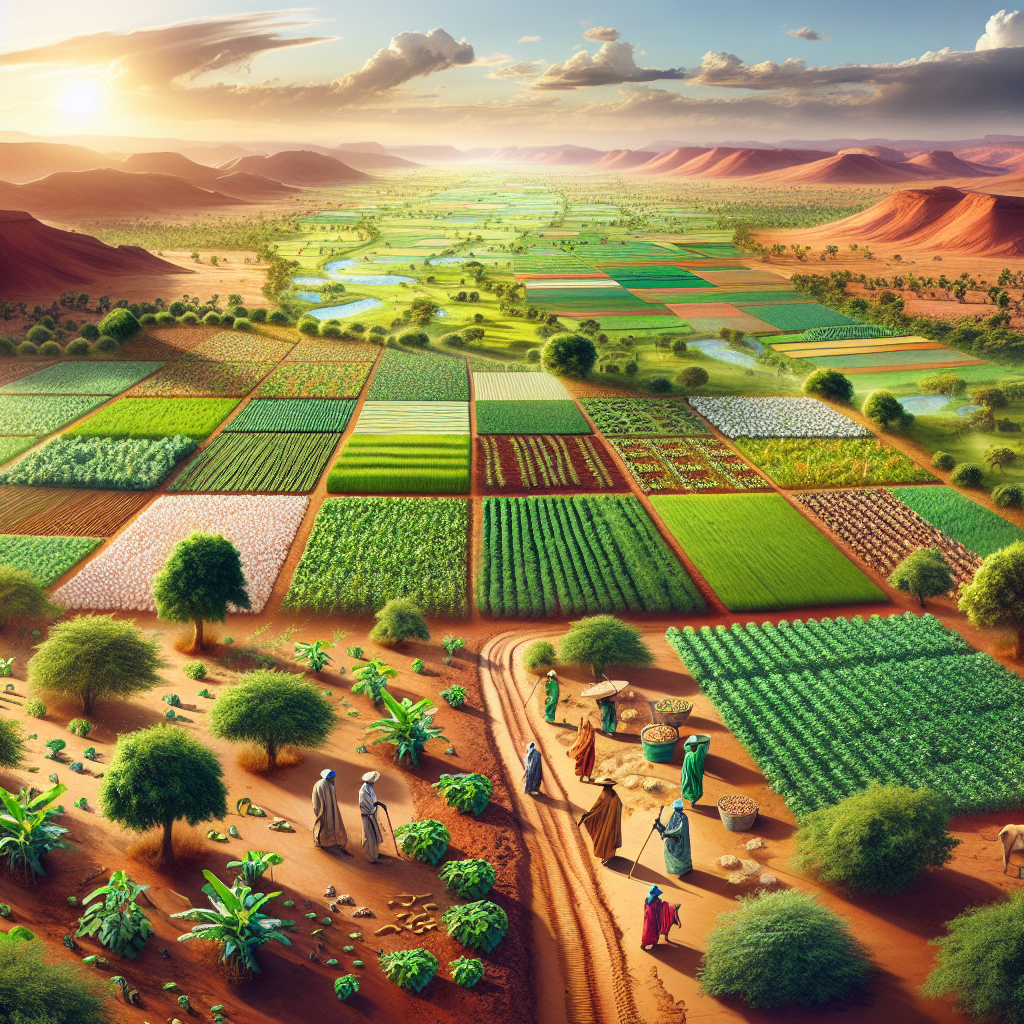
Burkina Faso is embarking on a transformative journey to revitalize its agricultural sector. This initiative, dubbed the “Agricultural Offensive,” aims to address food security challenges and stimulate economic growth. The strategy is part of a broader vision to position Burkina Faso as a leader in sustainable agriculture within Africa.

Key Objectives
- Enhancing Food Security: The initiative seeks to increase food production to meet the growing demands of the population.
- Economic Growth: By boosting agricultural output, Burkina Faso aims to strengthen its economy and create job opportunities.
- Sustainability: Emphasis is placed on sustainable farming practices to ensure long-term environmental health.
Strategic Approaches
The Agricultural Offensive employs several strategic approaches to achieve its objectives:

- Investment in Technology: Introducing modern farming technologies to improve efficiency and yield.
- Infrastructure Development: Building and upgrading infrastructure to support agricultural activities, including irrigation systems and transportation networks.
- Training and Education: Providing farmers with training programs to enhance their skills and knowledge in modern agricultural practices.
Challenges and Opportunities
While the initiative presents numerous opportunities, it also faces several challenges:

- Climate Change: Adapting to changing climate conditions remains a significant hurdle.
- Resource Allocation: Ensuring adequate resources and funding for the initiative is crucial for its success.
- Market Access: Improving access to local and international markets is essential for farmers to benefit from increased production.
Conclusion
The Agricultural Offensive in Burkina Faso represents a bold step towards transforming the nation’s agricultural landscape. By focusing on sustainability, technology, and education, Burkina Faso aims to not only enhance food security but also drive economic growth and establish itself as a leader in Africa’s agricultural sector. The success of this initiative could serve as a model for other African nations seeking to revitalize their agricultural industries.