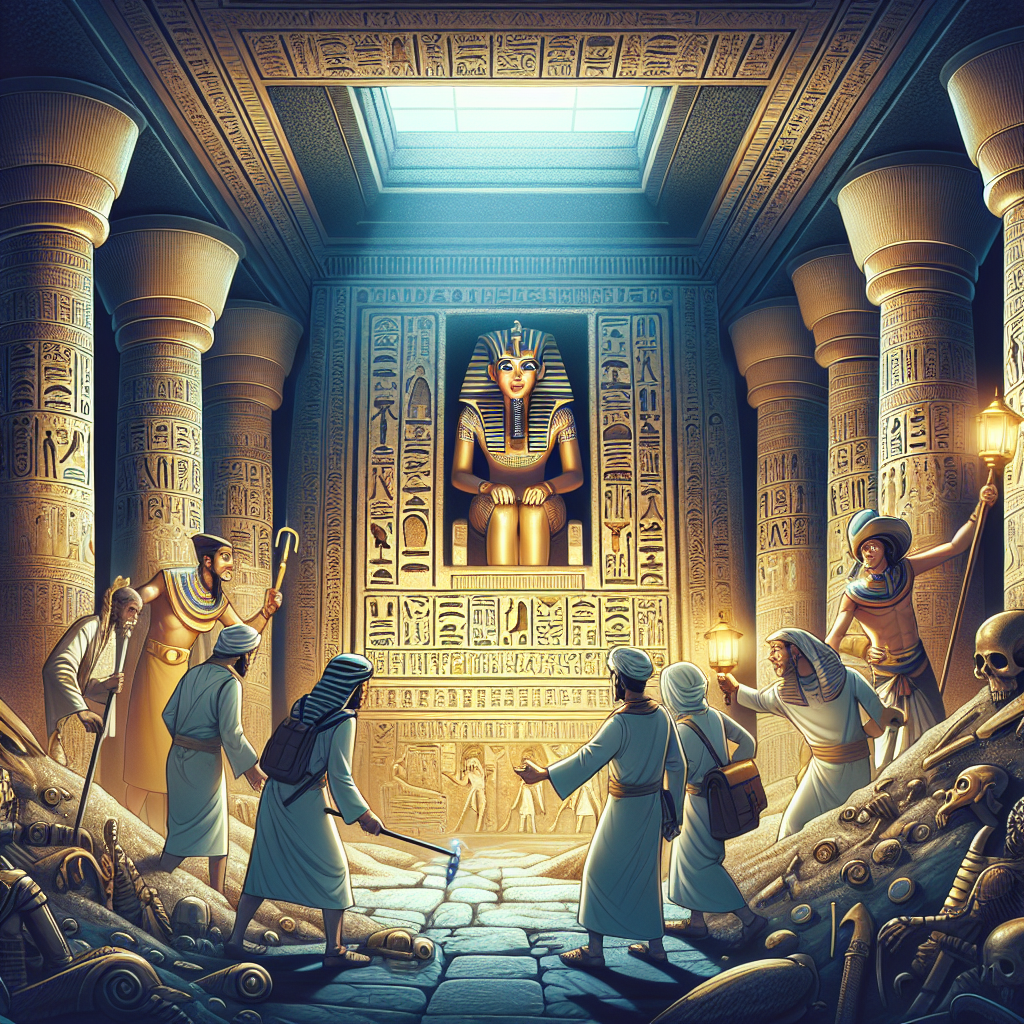
Egypt Reveals First Ancient Royal Tomb Discovery Since 1922
Egypt Reveals First Ancient Royal Tomb Discovery Since 1922
Introduction to the Monumental Discovery
In a groundbreaking archaeological achievement, Egypt has unveiled its first ancient royal tomb discovery since the iconic unearthing of King Tutankhamun’s tomb in 1922. This remarkable find promises to shed new light on Egypt’s rich and enigmatic history.

Key Highlights of the Discovery
- Location: The tomb was discovered in the Saqqara necropolis, a vast burial ground that has been a focal point for numerous archaeological finds.
- Historical Significance: The tomb is believed to belong to a previously unknown pharaoh, potentially offering new insights into Egypt’s royal lineage.
- Artifacts and Treasures: The site contains a wealth of artifacts, including intricately decorated sarcophagi, jewelry, and ceremonial items.
- Preservation: The tomb’s contents are remarkably well-preserved, providing a rare glimpse into the burial practices and daily life of ancient Egyptian royalty.
Implications for Egyptology
This discovery is poised to revolutionize the field of Egyptology by filling gaps in the historical record and offering fresh perspectives on the cultural and political dynamics of ancient Egypt. Researchers are particularly excited about the potential to uncover new information about the pharaoh’s reign and influence.

Conclusion
The unveiling of this ancient royal tomb marks a significant milestone in archaeological history, echoing the excitement of the 1922 discovery of King Tutankhamun’s tomb. As experts continue to explore and analyze the site, the world eagerly awaits further revelations that will deepen our understanding of Egypt’s illustrious past.