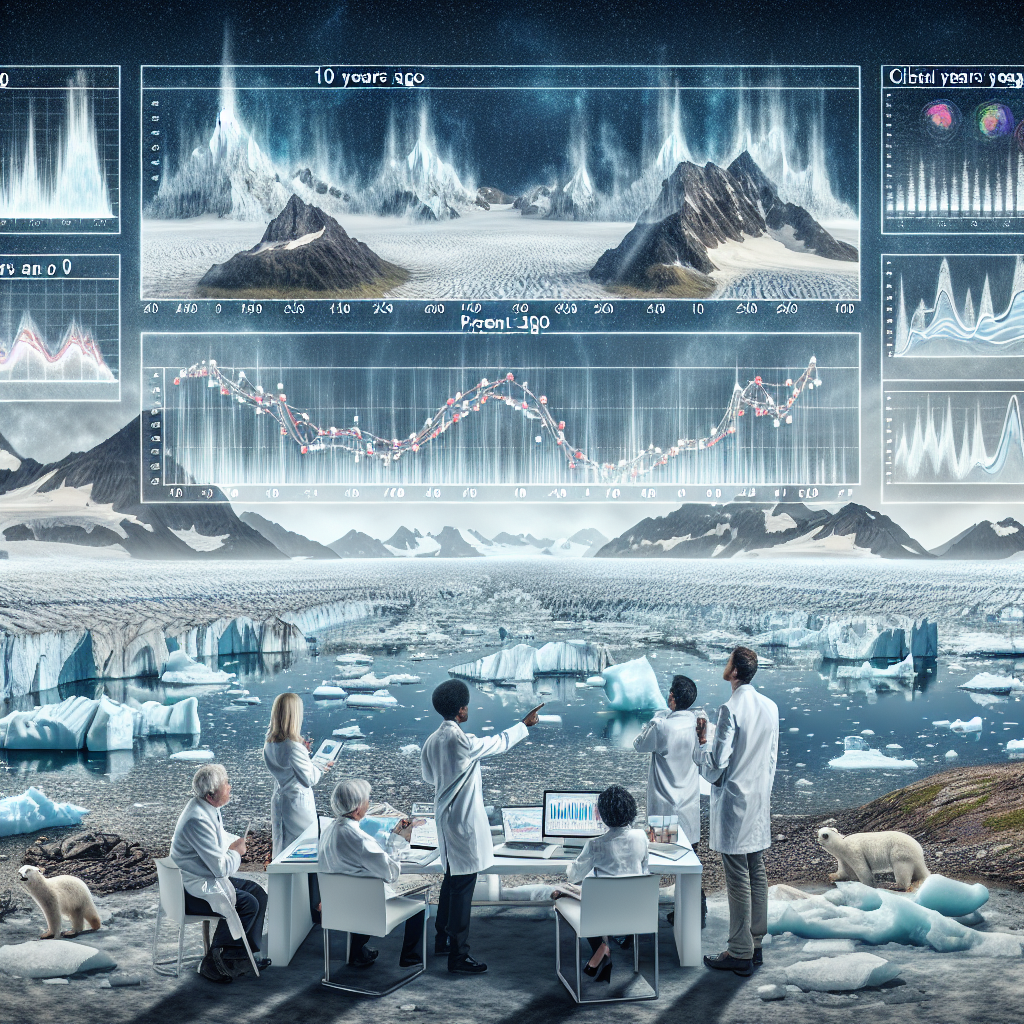
Scientists Report Rapid Acceleration in Global Glacier Ice Loss Over the Past Decade
Scientists Report Rapid Acceleration in Global Glacier Ice Loss Over the Past Decade
Overview of the Findings
Recent scientific studies have revealed a concerning trend in the rapid acceleration of glacier ice loss worldwide over the past ten years. This phenomenon is contributing significantly to rising sea levels and poses a threat to ecosystems and human populations.

Key Insights
- Increased Rate of Ice Loss: The rate of glacier ice loss has accelerated dramatically, with some regions experiencing unprecedented melting.
- Global Impact: The ice loss is not confined to a single region but is a global issue affecting glaciers from the Himalayas to the Andes.
- Contributing Factors: Climate change, driven by human activities, is identified as the primary cause of this accelerated melting.
- Sea Level Rise: The melting glaciers are a major contributor to rising sea levels, which threaten coastal communities and ecosystems.
Implications for the Future
The rapid acceleration of glacier ice loss has far-reaching implications for the planet. It underscores the urgent need for global action to mitigate climate change and adapt to its impacts. Scientists emphasize the importance of reducing greenhouse gas emissions and implementing sustainable practices to slow down the rate of ice loss.

Conclusion
The recent findings on glacier ice loss highlight a critical environmental challenge that requires immediate attention. The accelerated melting of glaciers is a clear indicator of the broader impacts of climate change, necessitating concerted efforts to address this global issue. By understanding and acting on these insights, we can work towards a more sustainable future.