Reconstructing Jabalia’s Central Market: Gaza’s Resilient Efforts
Reconstructing Jabalia’s Central Market: Gaza’s Resilient Efforts
Introduction
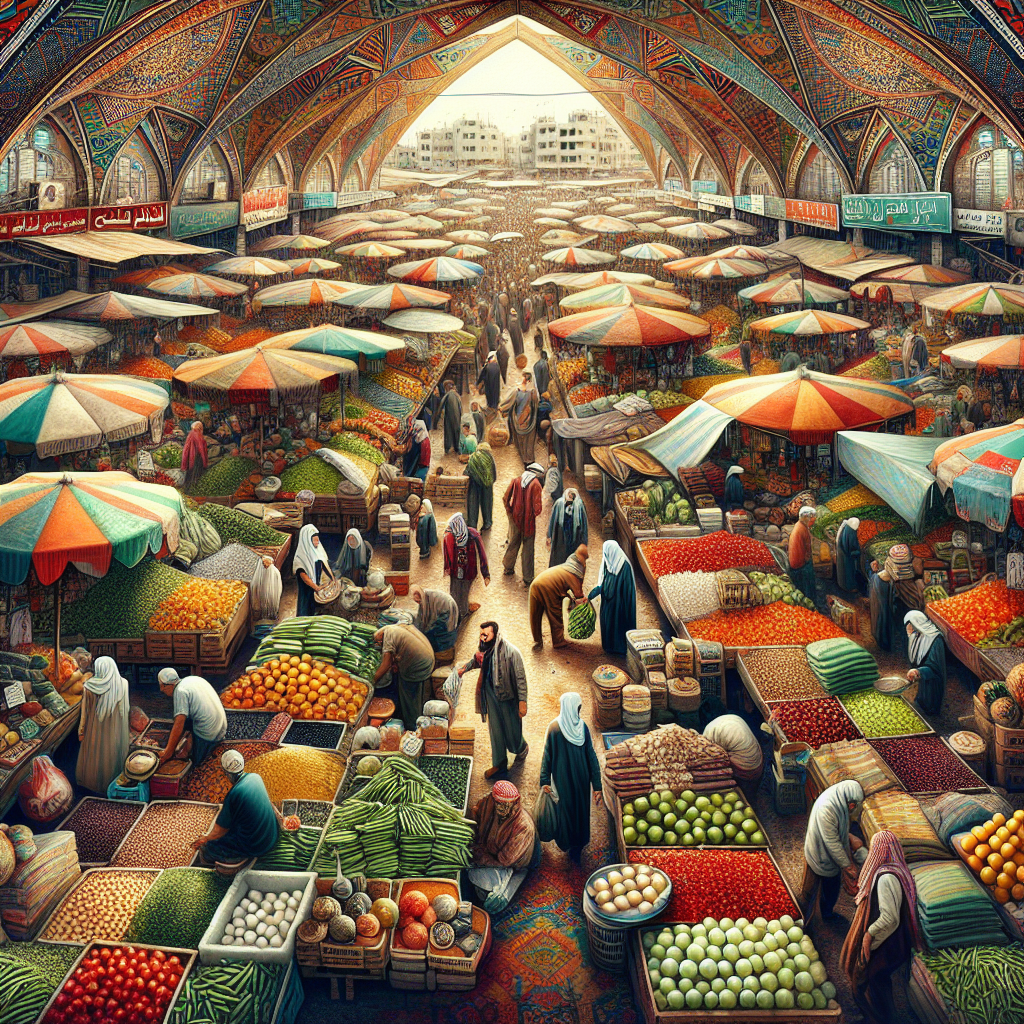
The reconstruction of Jabalia’s Central Market in Gaza stands as a testament to the region’s resilience and determination. Despite facing numerous challenges, the community is committed to restoring this vital economic hub.

Background
Jabalia’s Central Market, a crucial economic center in Gaza, has faced significant damage due to ongoing conflicts. Its reconstruction is essential for revitalizing the local economy and providing livelihoods for many residents.

Key Efforts in Reconstruction
- Community Involvement: Local residents and businesses are actively participating in the rebuilding process, showcasing a strong sense of community spirit.
- International Support: Various international organizations are providing financial and technical assistance to aid the reconstruction efforts.
- Innovative Solutions: The use of sustainable materials and modern construction techniques is being prioritized to ensure the market’s durability and resilience.
Challenges Faced
- Resource Scarcity: Limited access to construction materials and financial resources poses a significant challenge.
- Political Instability: Ongoing political tensions in the region continue to impact the pace and progress of reconstruction efforts.
Impact on the Community
The reconstruction of the market is expected to have a profound impact on the local community by:

- Boosting economic activity and providing job opportunities.
- Enhancing food security by improving access to essential goods.
- Fostering a sense of normalcy and hope among residents.
Conclusion
The efforts to rebuild Jabalia’s Central Market highlight the resilience and determination of the Gaza community. Despite facing numerous obstacles, the collaborative efforts of local residents, international organizations, and innovative approaches are paving the way for a brighter future. The successful reconstruction of the market will not only revitalize the local economy but also serve as a symbol of hope and resilience for the entire region.