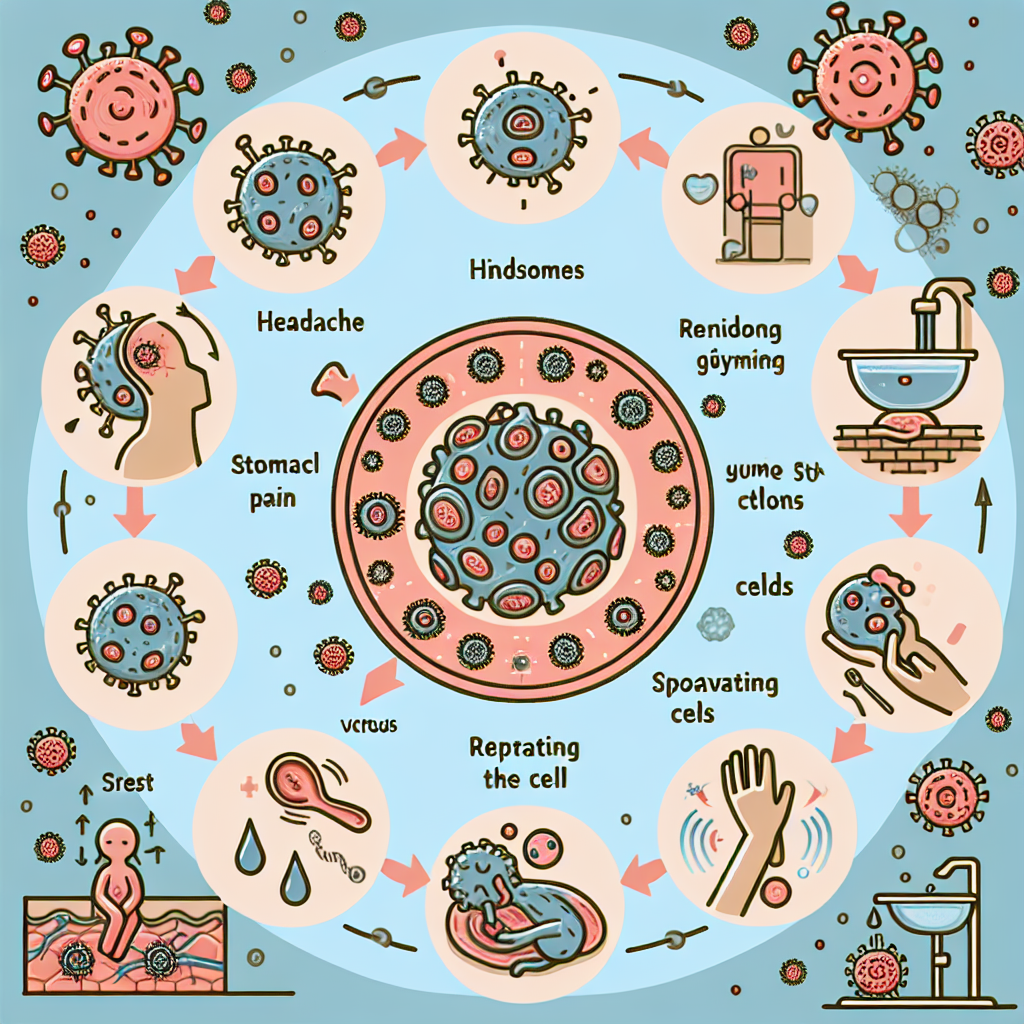
Understanding Norovirus: Symptoms, Transmission, and Treatment
Understanding Norovirus: Symptoms, Transmission, and Treatment
What is Norovirus?
Norovirus is a highly contagious virus that causes gastroenteritis, an inflammation of the stomach and intestines. It is often referred to as the “stomach flu,” although it is not related to influenza.

Recognizing the Symptoms
Symptoms of norovirus infection typically appear 12 to 48 hours after exposure and can last for 1 to 3 days. Key symptoms include:

- Nausea and vomiting
- Diarrhea
- Stomach cramps
- Fever and body aches
- Headache
How Norovirus Spreads
Norovirus is highly contagious and can spread rapidly in crowded environments. Transmission occurs through:

- Direct contact with an infected person
- Consuming contaminated food or water
- Touching contaminated surfaces and then touching the mouth
Effective Treatment Options
There is no specific treatment for norovirus, but symptoms can be managed through:
- Staying hydrated to prevent dehydration
- Resting to help the body recover
- Over-the-counter medications to alleviate symptoms
Preventive Measures
Preventing norovirus involves maintaining good hygiene practices, such as:
- Washing hands thoroughly with soap and water
- Disinfecting surfaces regularly
- Cooking food thoroughly
- Avoiding contact with infected individuals
Conclusion
Norovirus is a common and highly contagious virus that causes uncomfortable gastrointestinal symptoms. Understanding its symptoms, transmission methods, and treatment options is crucial for managing and preventing outbreaks. By practicing good hygiene and taking preventive measures, the spread of norovirus can be significantly reduced.