
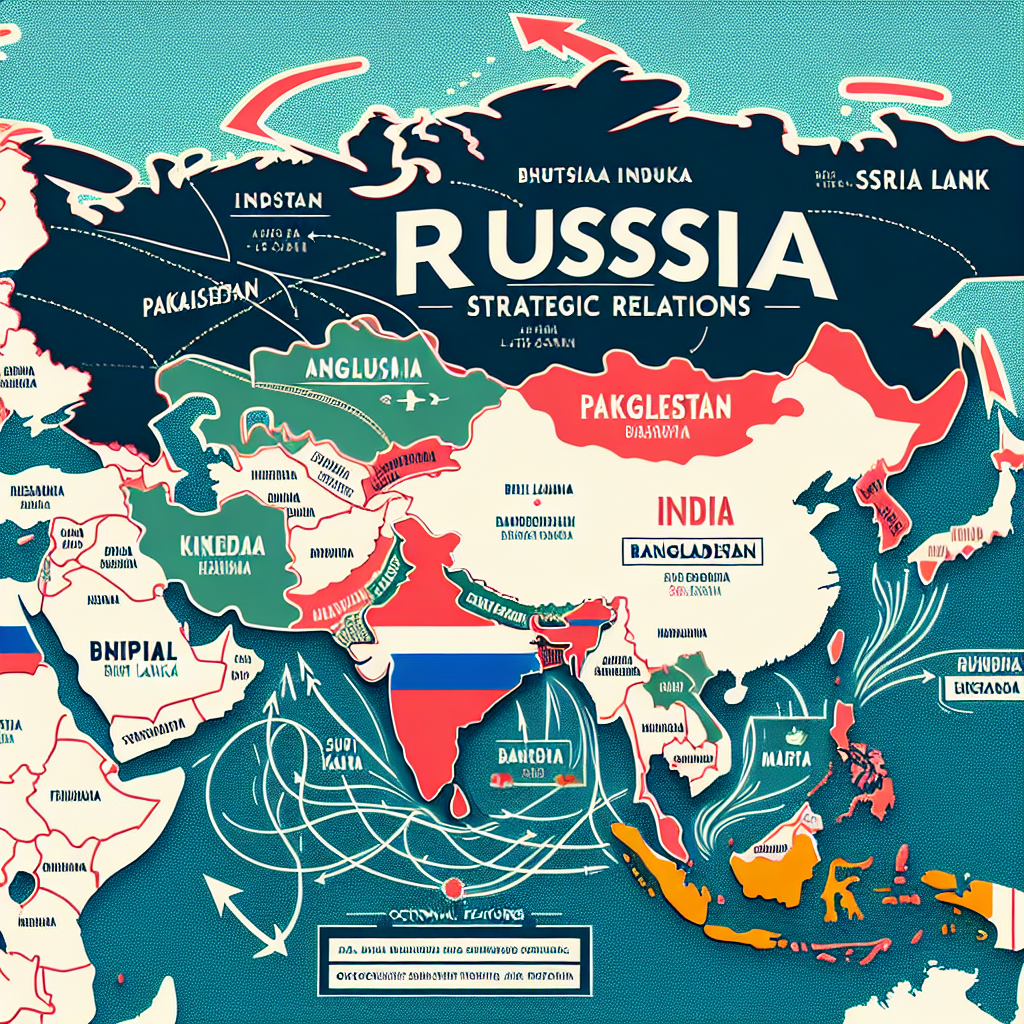
Russia’s Strategic Shift in South Asia Unveiled
Russia’s Strategic Shift in South Asia Unveiled
Introduction
Russia is recalibrating its geopolitical strategy in South Asia, aiming to strengthen its influence and foster new alliances. This strategic shift is driven by evolving global dynamics and regional opportunities.

Key Drivers of the Shift
- Geopolitical Realignment: Russia is responding to the changing power dynamics in Asia, particularly the rise of China and India’s growing influence.
- Economic Opportunities: South Asia presents lucrative markets and investment opportunities, prompting Russia to enhance economic ties.
- Security Concerns: Regional security issues, including terrorism and border conflicts, necessitate a more active Russian presence.
Strategic Initiatives
- Strengthening Bilateral Relations: Russia is deepening its ties with key South Asian countries, including India and Pakistan, through diplomatic engagements and defense cooperation.
- Economic Partnerships: Initiatives to boost trade and investment, particularly in energy and infrastructure, are being prioritized.
- Multilateral Engagements: Russia is actively participating in regional forums to enhance its influence and address common challenges.
Implications for the Region
This strategic shift has significant implications for South Asia, potentially altering the regional balance of power and impacting existing alliances. It may also lead to increased competition and collaboration among major powers in the region.
Ads

Conclusion
Russia’s strategic shift in South Asia marks a pivotal moment in its foreign policy, driven by geopolitical, economic, and security considerations. By strengthening bilateral and multilateral ties, Russia aims to enhance its influence and secure its interests in this dynamic region.
Ads

Ads

Ads

Ads

Ads

Ads

Ads

Ads

Ads

Ads

Ads

Ads


