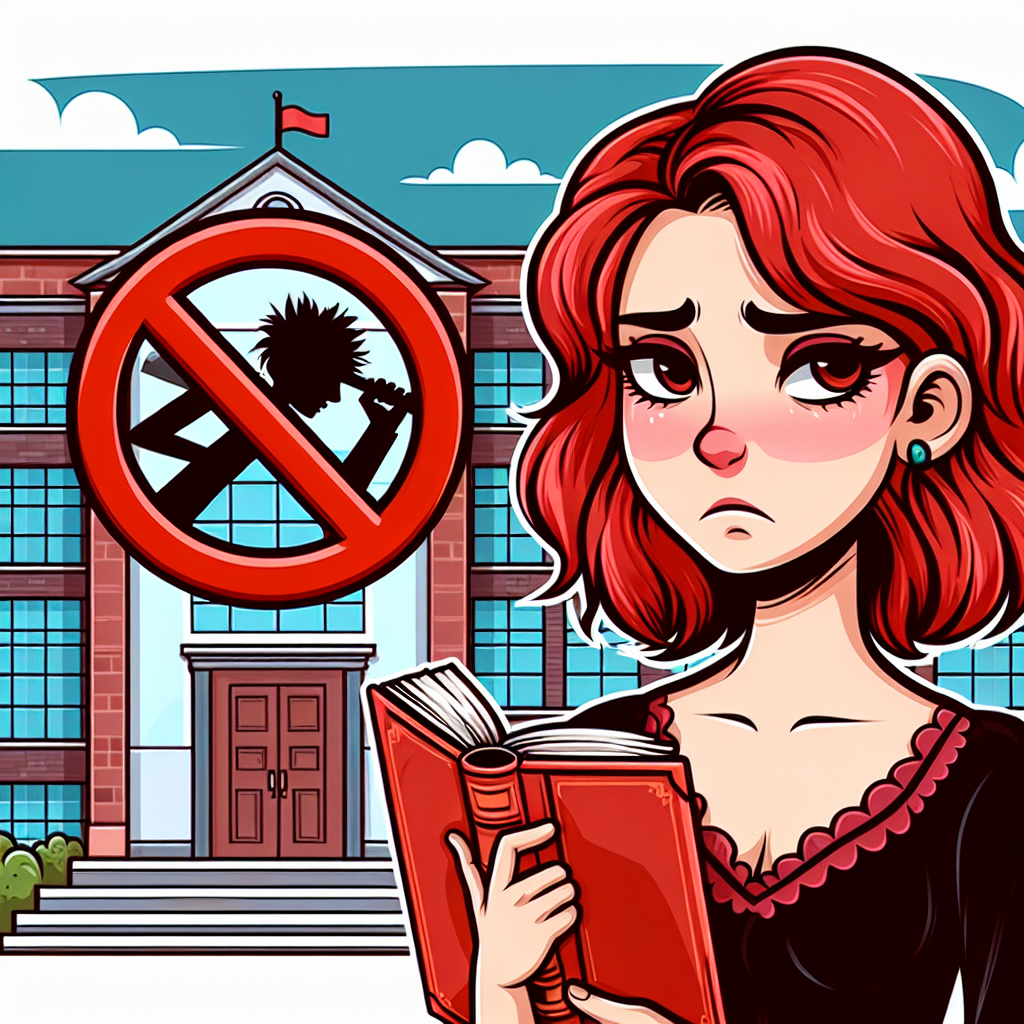
Government Prohibits Julianne Moore’s Book in Schools
Government Prohibits Julianne Moore’s Book in Schools
Overview
The recent decision by the government to ban Julianne Moore’s book from school libraries has sparked widespread debate and concern among educators, parents, and literary enthusiasts. This move raises questions about censorship, educational freedom, and the role of literature in schools.

Key Reasons for the Ban
- Content Concerns: The government cited specific content in the book as inappropriate for school-aged children, though details remain vague.
- Parental Complaints: A vocal group of parents expressed discomfort with the themes presented in the book, prompting official action.
- Policy Alignment: The decision aligns with recent policy shifts towards more conservative educational materials.
Reactions and Implications
The ban has elicited a range of reactions from various stakeholders:

- Educators: Many teachers and librarians argue that the book offers valuable lessons and should be available to students.
- Authors and Literary Figures: Prominent authors have voiced concerns over censorship and the stifling of creative expression.
- Parents: Opinions are divided, with some supporting the ban for protecting children, while others see it as an overreach.
Potential Impact on Education
The prohibition of Julianne Moore’s book could have broader implications for educational content and curriculum development:

- Curriculum Changes: Schools may need to adjust their reading lists and teaching materials to comply with new guidelines.
- Increased Scrutiny: Other books may come under review, leading to further restrictions on educational content.
- Student Engagement: The ban may affect students’ exposure to diverse perspectives and critical thinking opportunities.
Conclusion
The government’s decision to ban Julianne Moore’s book from schools highlights ongoing tensions between censorship and educational freedom. As debates continue, the outcome may shape future policies on literature and learning in educational institutions. Stakeholders are encouraged to engage in open dialogue to balance protecting children and fostering a rich, diverse educational environment.