UK Plans to Increase Defence Budget While Reducing Aid, Says Starmer
UK’s Strategic Shift: Defence Budget Increase and Aid Reduction
Overview
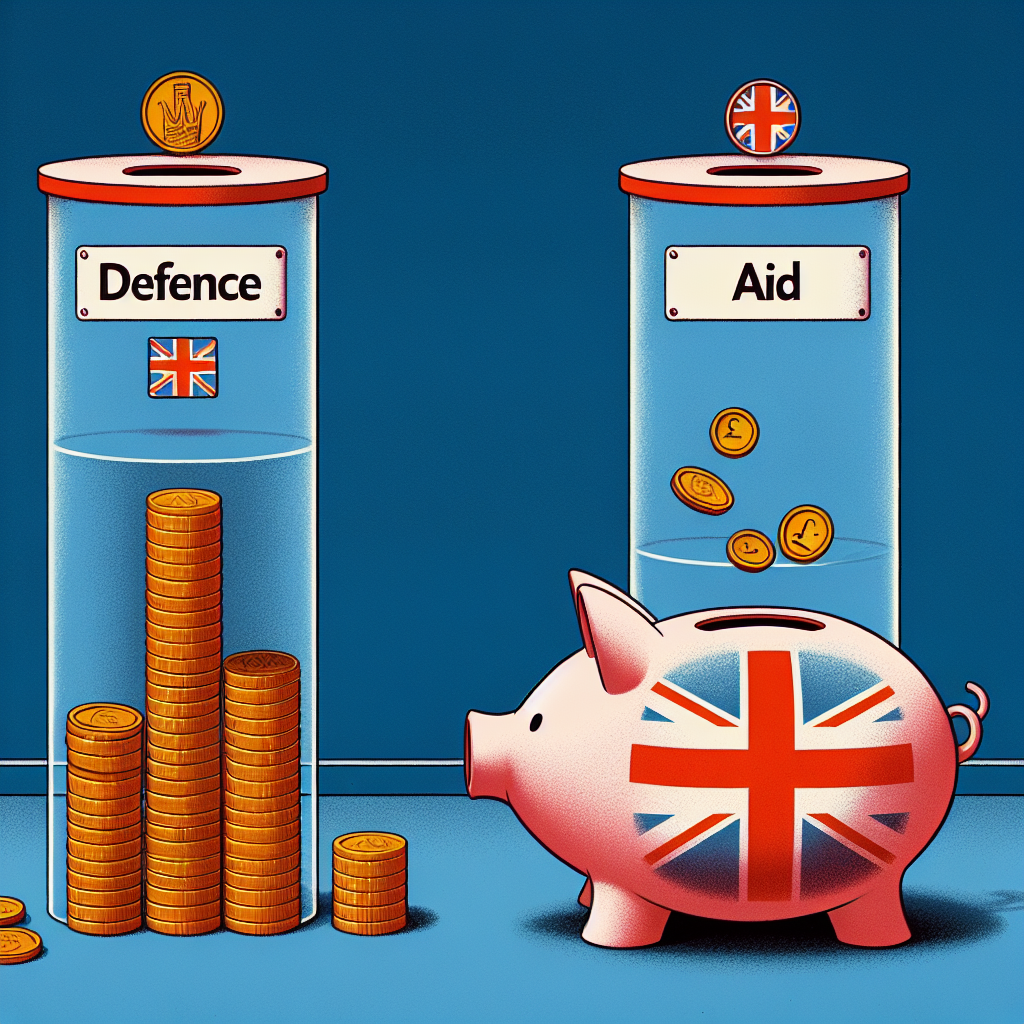
The UK is set to undergo a significant shift in its financial priorities, as outlined by Labour leader Keir Starmer. The government plans to bolster its defence budget while simultaneously reducing foreign aid. This move has sparked a debate on the implications for both national security and international relations.

Key Highlights
- Defence Budget Increase: The UK government aims to enhance its military capabilities by allocating more funds to the defence sector.
- Reduction in Foreign Aid: To accommodate the increased defence spending, the government plans to cut back on its foreign aid contributions.
- Political Reactions: The proposal has received mixed reactions, with some supporting the focus on national security, while others express concern over the potential impact on global aid efforts.
Implications
The decision to increase the defence budget at the expense of foreign aid has several potential implications:

- National Security: Enhanced military funding could strengthen the UK’s defence capabilities, addressing emerging global threats.
- International Relations: Reducing aid may affect the UK’s diplomatic relationships and its role in global humanitarian efforts.
- Public Opinion: The shift in budget priorities may influence public perception and voter sentiment, particularly among those concerned with global development issues.
Conclusion
The UK’s plan to increase its defence budget while reducing foreign aid marks a pivotal change in its financial strategy. While the move aims to bolster national security, it raises questions about the country’s commitment to international aid and its broader global responsibilities. The balance between defence and diplomacy will be crucial as the UK navigates this strategic shift.