Ceasefire for Israel: A Different Battlefield Strategy
Ceasefire for Israel: A Different Battlefield Strategy
Introduction
In a significant shift in military strategy, Israel has announced a ceasefire, marking a new approach to conflict resolution. This decision reflects a broader understanding of modern warfare dynamics and the importance of diplomatic engagement.

Key Elements of the Ceasefire Strategy
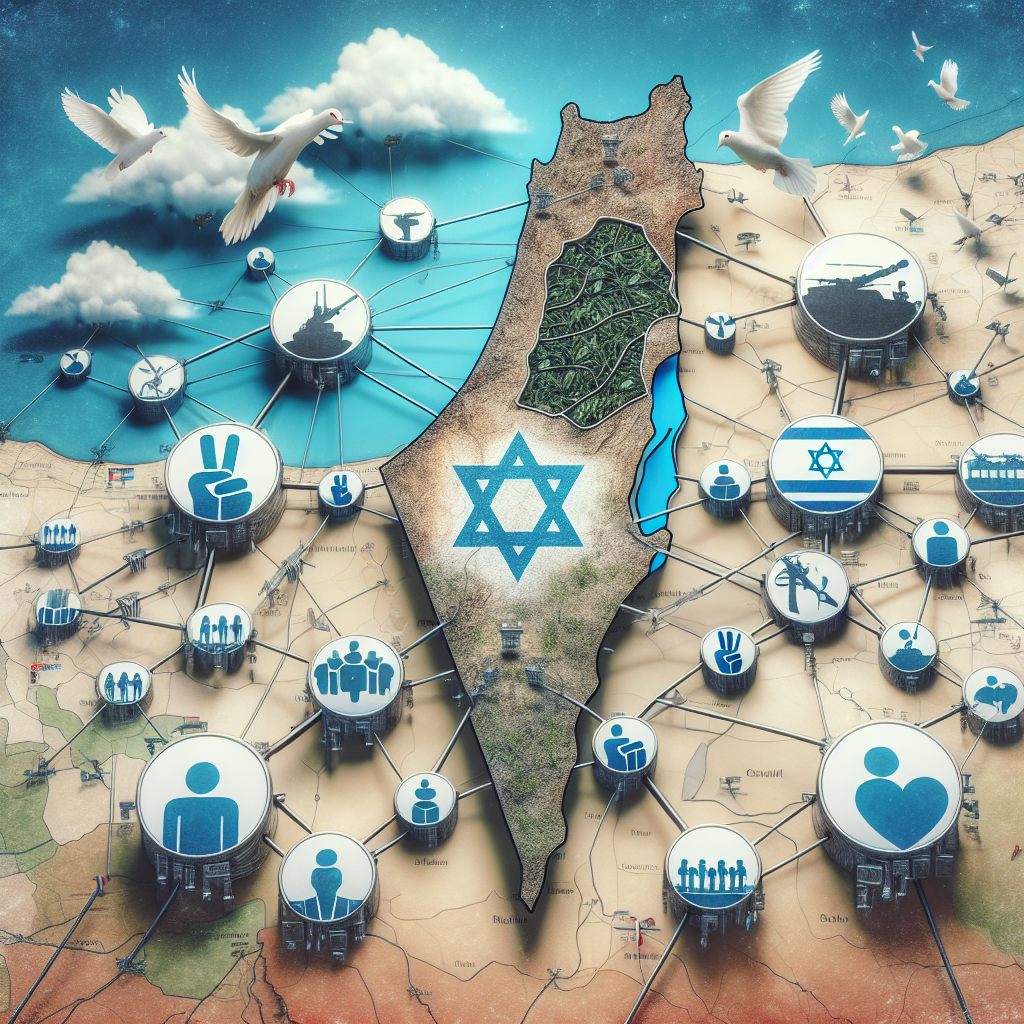
- Diplomatic Engagement: Emphasizing dialogue over direct confrontation to address underlying issues.
- International Collaboration: Working with global partners to ensure a sustainable peace process.
- Humanitarian Considerations: Prioritizing the safety and well-being of civilians in conflict zones.
- Technological Integration: Utilizing advanced technology for surveillance and intelligence to maintain security without active combat.
Implications for Regional Stability
The ceasefire is expected to have significant implications for regional stability, potentially setting a precedent for future conflict resolution in the Middle East. By focusing on diplomatic solutions, Israel aims to foster a more stable and peaceful environment.

Challenges and Opportunities
- Challenges: Ensuring compliance from all parties involved and addressing potential violations.
- Opportunities: Building stronger international alliances and enhancing Israel’s global standing as a peace-seeking nation.
Conclusion
The ceasefire represents a strategic pivot for Israel, highlighting the importance of diplomacy and international cooperation in modern conflict resolution. By prioritizing peace and stability, Israel sets a new standard for addressing complex geopolitical challenges.