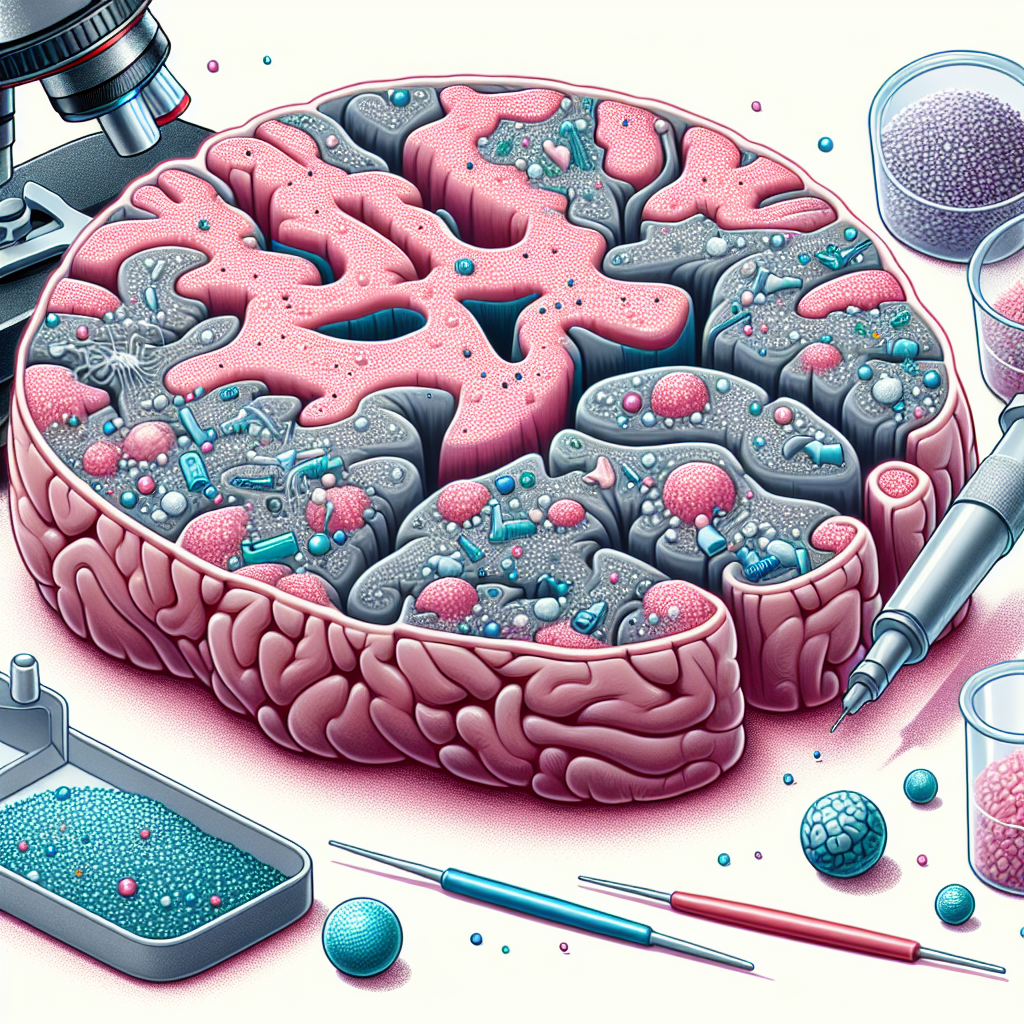
Study Reveals Presence of Microplastics in the Brain
Study Reveals Presence of Microplastics in the Brain
Groundbreaking Discovery
In a startling revelation, scientists have discovered microplastics in human brain tissue for the first time. This finding raises significant concerns about the potential health implications of microplastic pollution, which has already been detected in various parts of the human body.

Key Findings
- Microplastics, tiny plastic particles less than 5mm in size, have been found in brain tissue samples.
- The study suggests that these particles can cross the blood-brain barrier, a protective shield that typically prevents harmful substances from entering the brain.
- Researchers used advanced imaging techniques to identify and analyze the presence of microplastics.
Potential Health Implications
The presence of microplastics in the brain could have unknown health effects, potentially contributing to neurological disorders. Scientists are particularly concerned about:

- Inflammation and cellular damage caused by microplastic particles.
- The potential for microplastics to disrupt normal brain function.
- Long-term exposure risks and their cumulative impact on brain health.
Call for Further Research
This discovery underscores the urgent need for further research to understand the full extent of microplastic pollution’s impact on human health. Scientists are calling for:

- Comprehensive studies to explore how microplastics enter the brain.
- Investigations into the long-term health effects of microplastic exposure.
- Development of strategies to mitigate microplastic pollution and its health risks.
Conclusion
The detection of microplastics in the brain marks a significant advancement in understanding the pervasive nature of plastic pollution. While the health implications remain uncertain, this study highlights the critical need for continued research and action to address the growing environmental and health challenges posed by microplastics.