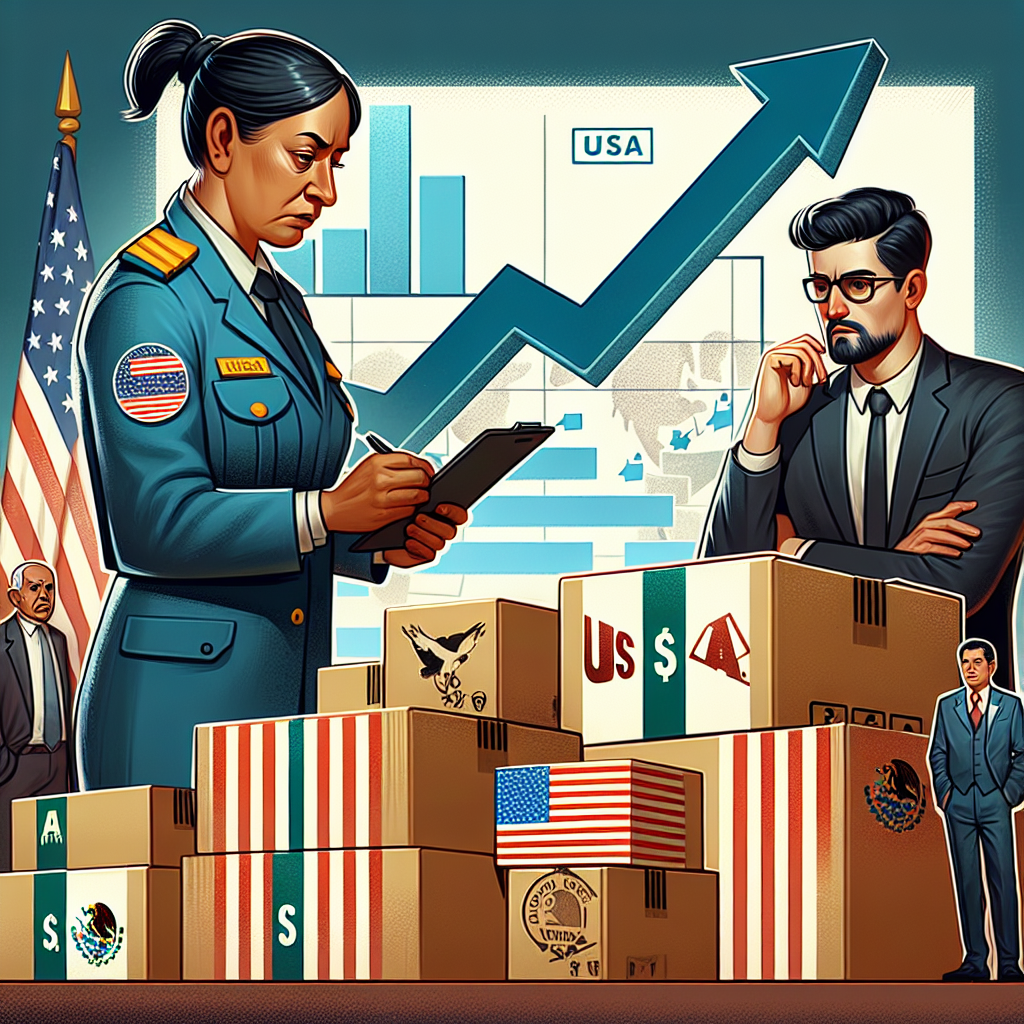
Mexico to Enforce Counter-Tariffs on American Products
Mexico to Enforce Counter-Tariffs on American Products
Introduction
In a significant move impacting international trade, Mexico has announced the implementation of counter-tariffs on a range of American products. This decision comes as a response to recent trade policies enacted by the United States, aiming to balance economic interests and protect domestic industries.

Key Details of the Counter-Tariffs
- Targeted Products: The counter-tariffs will affect a variety of American goods, including agricultural products, manufactured goods, and consumer items.
- Economic Impact: These measures are expected to influence trade dynamics between the two nations, potentially affecting prices and availability of certain goods.
- Implementation Timeline: The tariffs are set to be enforced within the next few weeks, with specific dates to be confirmed by Mexican authorities.
Reasons Behind the Decision
Mexico’s decision to impose counter-tariffs is largely seen as a strategic response to recent U.S. tariffs on Mexican exports. The aim is to:

- Protect Mexican industries from unfair competition.
- Encourage negotiations for more favorable trade terms.
- Demonstrate economic resilience and sovereignty.
Potential Consequences
The introduction of these counter-tariffs could lead to several outcomes:

- Trade Tensions: An escalation in trade tensions between Mexico and the U.S., potentially leading to further retaliatory measures.
- Market Adjustments: Changes in market dynamics as businesses and consumers adjust to new pricing structures.
- Diplomatic Negotiations: Increased diplomatic efforts to resolve trade disputes and establish mutually beneficial agreements.
Conclusion
Mexico’s enforcement of counter-tariffs on American products marks a pivotal moment in U.S.-Mexico trade relations. As both nations navigate this complex economic landscape, the focus will likely shift towards finding a balanced approach that supports domestic industries while fostering international cooperation. The coming weeks will be crucial in determining the long-term impact of these measures on bilateral trade and economic stability.