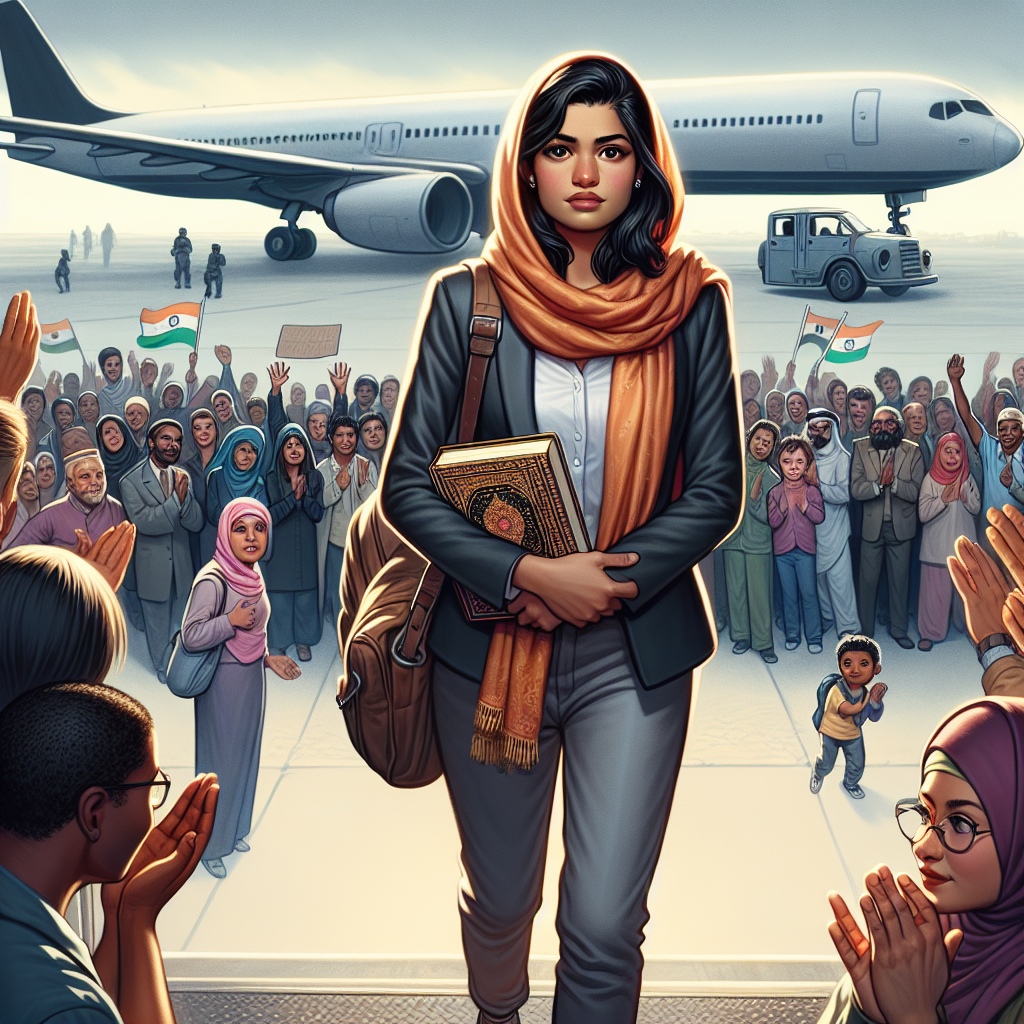
Malala Yousafzai Returns to Pakistan for the First Time Since Taliban Attack

Malala Yousafzai Returns to Pakistan for the First Time Since Taliban Attack
Introduction
Malala Yousafzai, the Nobel Peace Prize laureate and global advocate for girls’ education, made a significant return to her homeland, Pakistan, marking her first visit since surviving a Taliban attack in 2012. Her return symbolizes resilience and hope, drawing international attention to her ongoing mission for educational equality.

Background
In 2012, Malala was targeted by the Taliban for her outspoken advocacy for girls’ education in Pakistan’s Swat Valley. The attack left her critically injured, leading to her relocation to the United Kingdom for recovery and continued activism.


Key Highlights of the Visit
- Emotional Homecoming: Malala’s visit was filled with emotional reunions and a warm welcome from supporters and officials.
- Advocacy for Education: She continued to emphasize the importance of education for girls, meeting with various stakeholders to discuss educational reforms.
- Security Measures: Due to security concerns, her itinerary was kept confidential, highlighting the ongoing challenges in the region.
Impact and Reactions
Malala’s return was met with widespread media coverage and public interest, reigniting discussions on educational rights and women’s empowerment in Pakistan. Her presence served as a powerful reminder of the progress made and the work still needed to ensure educational access for all.

Conclusion
Malala Yousafzai’s return to Pakistan is a poignant chapter in her journey as an advocate for education and women’s rights. Her visit not only underscores her personal resilience but also highlights the ongoing struggle for educational equality in regions affected by conflict. As she continues her mission, Malala remains a beacon of hope and inspiration for millions around the world.