
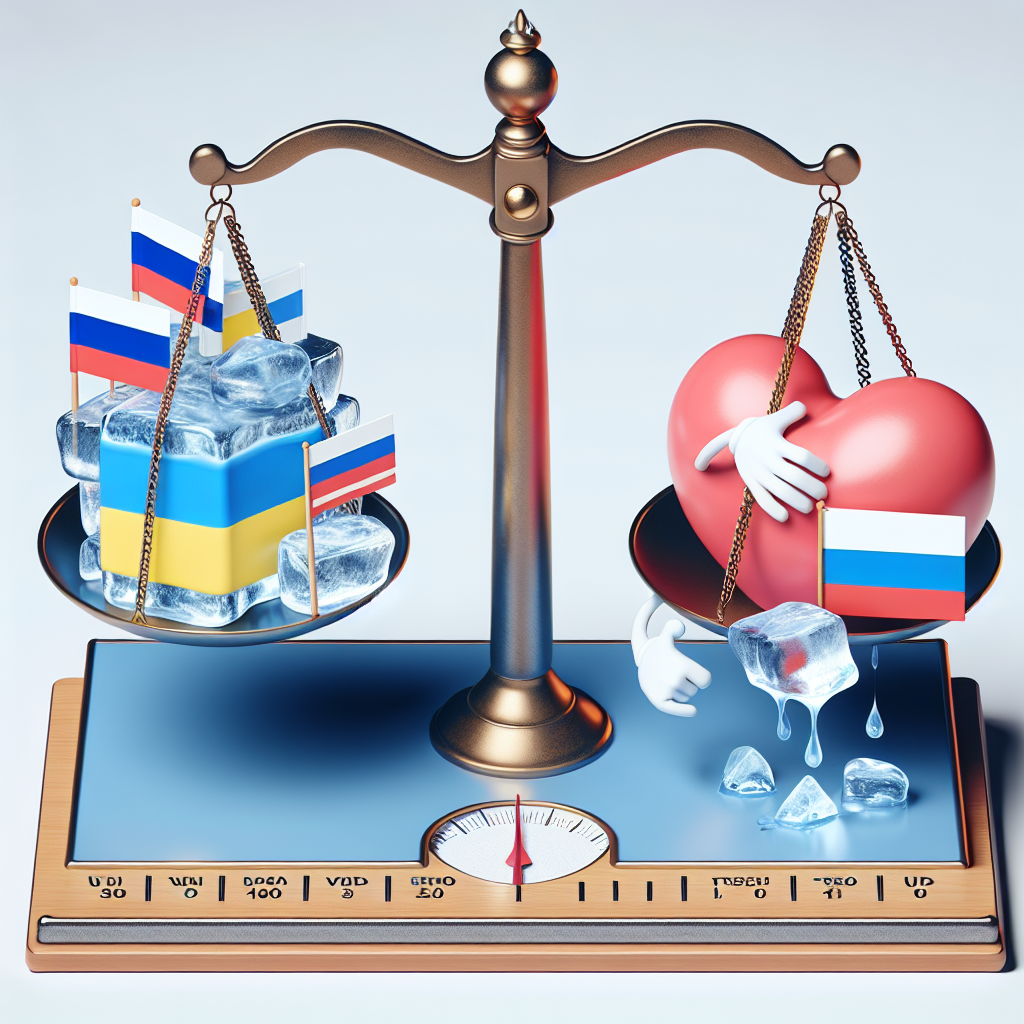
How Western Nations Leverage Russia’s Frozen Assets to Support Ukraine

How Western Nations Leverage Russia’s Frozen Assets to Support Ukraine
Introduction
In response to Russia’s ongoing conflict with Ukraine, Western nations have taken significant steps to support Ukraine by utilizing Russia’s frozen assets. This strategic move aims to provide financial aid to Ukraine while exerting economic pressure on Russia.

Background
Following Russia’s invasion of Ukraine, Western countries imposed a series of sanctions, resulting in the freezing of Russian assets held abroad. These assets, which include foreign reserves and properties, are now being considered as a potential source of funding for Ukraine’s recovery and defense efforts.


Key Strategies
- Asset Seizure: Western nations are exploring legal frameworks to seize Russian assets and redirect them to support Ukraine.
- Financial Aid Packages: The frozen assets are being considered as part of broader financial aid packages to bolster Ukraine’s economy and military capabilities.
- International Collaboration: Countries are working together to ensure a coordinated approach in managing and utilizing these assets effectively.
Challenges and Considerations
While the strategy presents a promising avenue for supporting Ukraine, it also poses several challenges:

- Legal Hurdles: The process of legally seizing and reallocating assets is complex and requires careful navigation of international laws.
- Diplomatic Implications: Such actions could further strain diplomatic relations with Russia and impact global geopolitical dynamics.
- Economic Repercussions: The long-term economic impact on both Russia and the global economy needs to be considered.
Conclusion
Western nations are strategically leveraging Russia’s frozen assets to provide crucial support to Ukraine amidst ongoing conflict. While this approach offers a viable means of financial assistance, it also involves navigating legal, diplomatic, and economic challenges. The success of this strategy will depend on international collaboration and careful consideration of the broader implications.













