European Nations Warn Israel’s Gaza Aid Blockade May Violate Humanitarian Law
European Nations Warn Israel’s Gaza Aid Blockade May Violate Humanitarian Law
Background
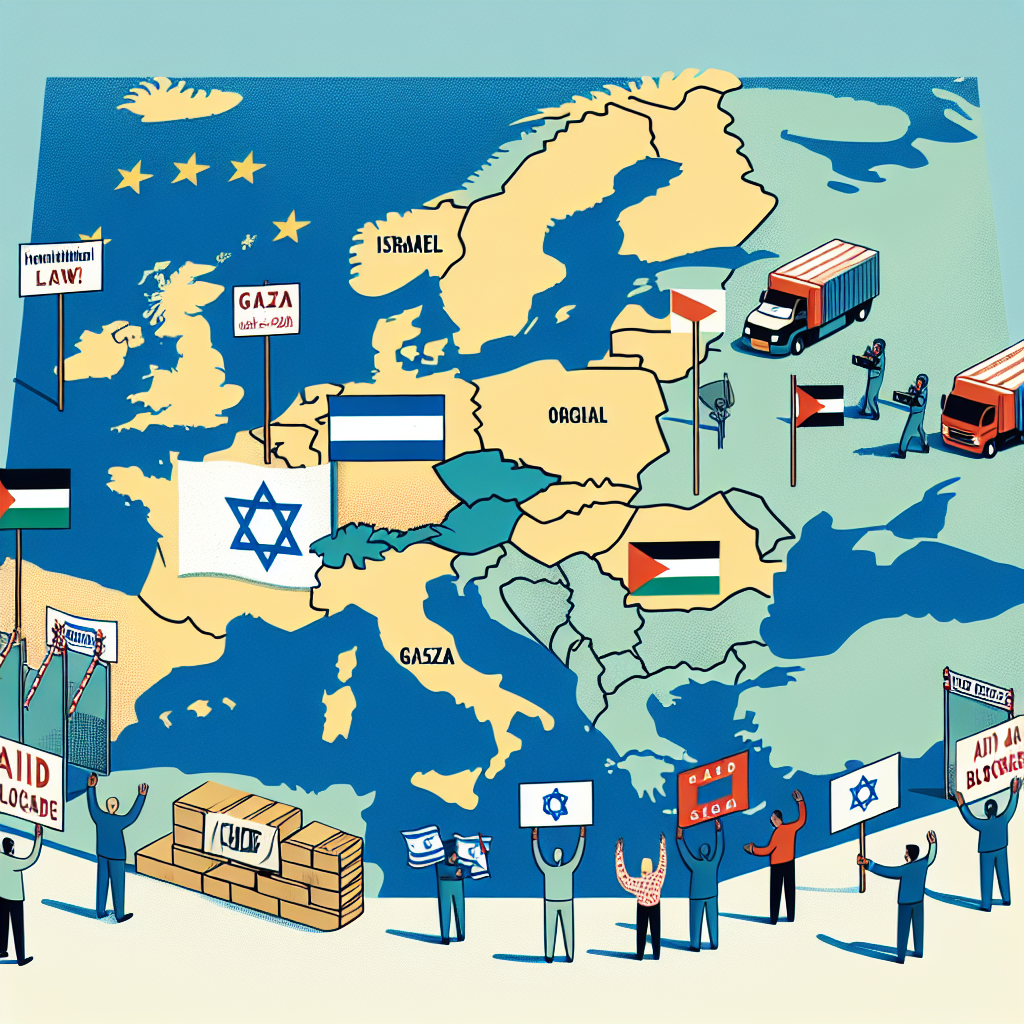
Amid escalating tensions in the Middle East, several European nations have expressed concerns over Israel’s blockade on humanitarian aid to Gaza. This blockade has raised alarms about potential violations of international humanitarian law, prompting diplomatic discussions and calls for action.

Key Concerns
- Humanitarian Impact: The blockade is severely affecting the delivery of essential supplies, including food, water, and medical aid, to the civilian population in Gaza.
- Legal Implications: European nations argue that the blockade may contravene international humanitarian law, which mandates the protection of civilians and the provision of aid in conflict zones.
- Diplomatic Tensions: The situation is straining diplomatic relations between Israel and several European countries, who are urging for an immediate review and lifting of the blockade.
Responses and Reactions
European leaders have been vocal in their criticism, urging Israel to reconsider its stance and allow the passage of humanitarian aid. They emphasize the importance of adhering to international norms and ensuring the welfare of civilians caught in conflict.

Potential Outcomes
- Policy Revisions: Pressure from the international community may lead to policy changes regarding the blockade.
- Increased Aid Efforts: Humanitarian organizations are likely to intensify their efforts to deliver aid, potentially seeking alternative routes or diplomatic solutions.
- Continued Diplomatic Dialogue: Ongoing discussions between European nations and Israel could pave the way for a resolution that balances security concerns with humanitarian needs.
Conclusion
The blockade on Gaza has sparked significant international concern, with European nations warning of potential violations of humanitarian law. The situation underscores the complex interplay between security measures and humanitarian obligations, highlighting the need for diplomatic engagement and adherence to international norms to ensure the protection and welfare of civilians in conflict zones.