Former Supporters of Syrian Regime Find Themselves Isolated and Powerless
Former Supporters of Syrian Regime Find Themselves Isolated and Powerless
Introduction
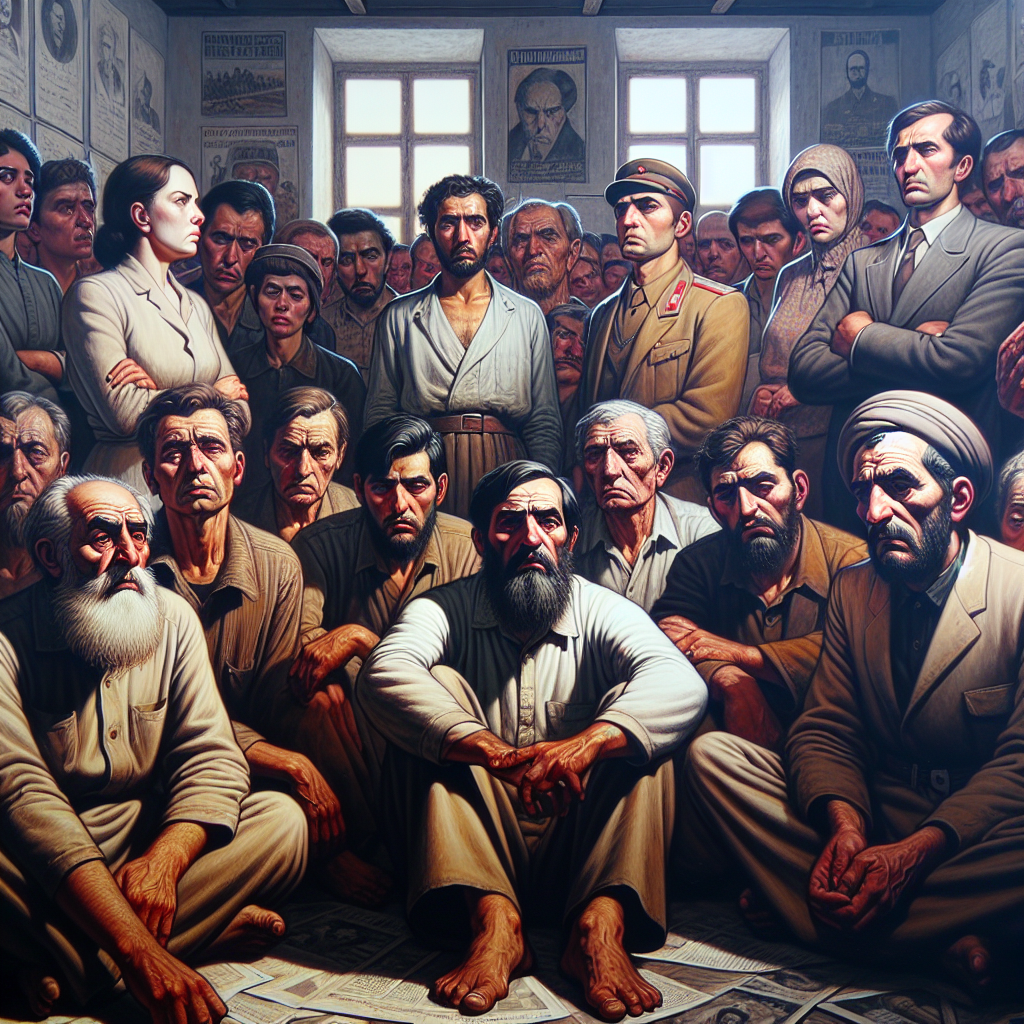
In the shifting political landscape of Syria, former allies of the Assad regime are experiencing a dramatic reversal of fortune. Once influential and powerful, these individuals now face isolation and a loss of influence as the regime consolidates power and redefines its alliances.

Key Factors Leading to Isolation
- Regime’s Strategic Shifts: The Syrian government has been realigning its political and military strategies, often sidelining former supporters who no longer fit into its plans.
- International Dynamics: Changes in international relations and foreign policy have left some regime supporters without the backing they once enjoyed.
- Internal Power Struggles: As the regime tightens its grip, internal power struggles have led to the marginalization of certain factions and individuals.
Impact on Former Supporters
The consequences for those who once stood by the regime are significant, affecting their social, economic, and political standing:

- Loss of Influence: Many former supporters find themselves excluded from decision-making processes and stripped of their previous authority.
- Economic Hardships: With diminished power, these individuals often face financial difficulties as their access to resources and opportunities dwindles.
- Social Isolation: The shift in alliances has led to social ostracism, leaving former supporters without the networks they once relied on.
Future Prospects
The future remains uncertain for these isolated figures. While some may attempt to regain favor with the regime, others might seek new alliances or even oppose the government they once supported.

Conclusion
The plight of former Syrian regime supporters highlights the volatile nature of political alliances in conflict zones. As the Assad regime continues to consolidate power, those who once stood by it must navigate a new reality marked by isolation and diminished influence. This situation underscores the broader complexities of loyalty and power in the context of ongoing conflict and shifting geopolitical landscapes.