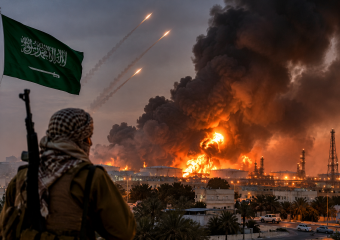
“Khamenei Responds to Trump Threat: Criticizes Governments Pushing for Negotiations”
Khamenei Responds to Trump Threat: Criticizes Governments Pushing for Negotiations
Background
In a recent development, Iran’s Supreme Leader Ayatollah Ali Khamenei has issued a response to former U.S. President Donald Trump’s threats. This comes amidst ongoing tensions between the United States and Iran, with diplomatic negotiations being a focal point of international discourse.

Khamenei’s Stance
Khamenei has taken a firm position against the idea of negotiating under pressure, particularly in response to Trump’s aggressive rhetoric. He emphasized the following points:

- Rejection of negotiations under duress, viewing it as a sign of weakness.
- Criticism of governments that advocate for negotiations with the U.S., suggesting they undermine Iran’s sovereignty.
- Assertion of Iran’s resilience and capability to withstand external pressures.
Implications for International Relations
The Supreme Leader’s remarks have significant implications for the geopolitical landscape:

- Potential strain on diplomatic efforts aimed at resolving U.S.-Iran tensions.
- Increased scrutiny on countries advocating for dialogue with the U.S.
- Reinforcement of Iran’s stance on maintaining its strategic autonomy.
Conclusion
Ayatollah Khamenei’s response to Trump’s threats underscores a steadfast refusal to engage in negotiations perceived as coerced. His criticism of governments pushing for such talks highlights a broader resistance to external influence, reinforcing Iran’s commitment to its principles of sovereignty and resilience. This development could further complicate diplomatic efforts and shape future interactions on the global stage.