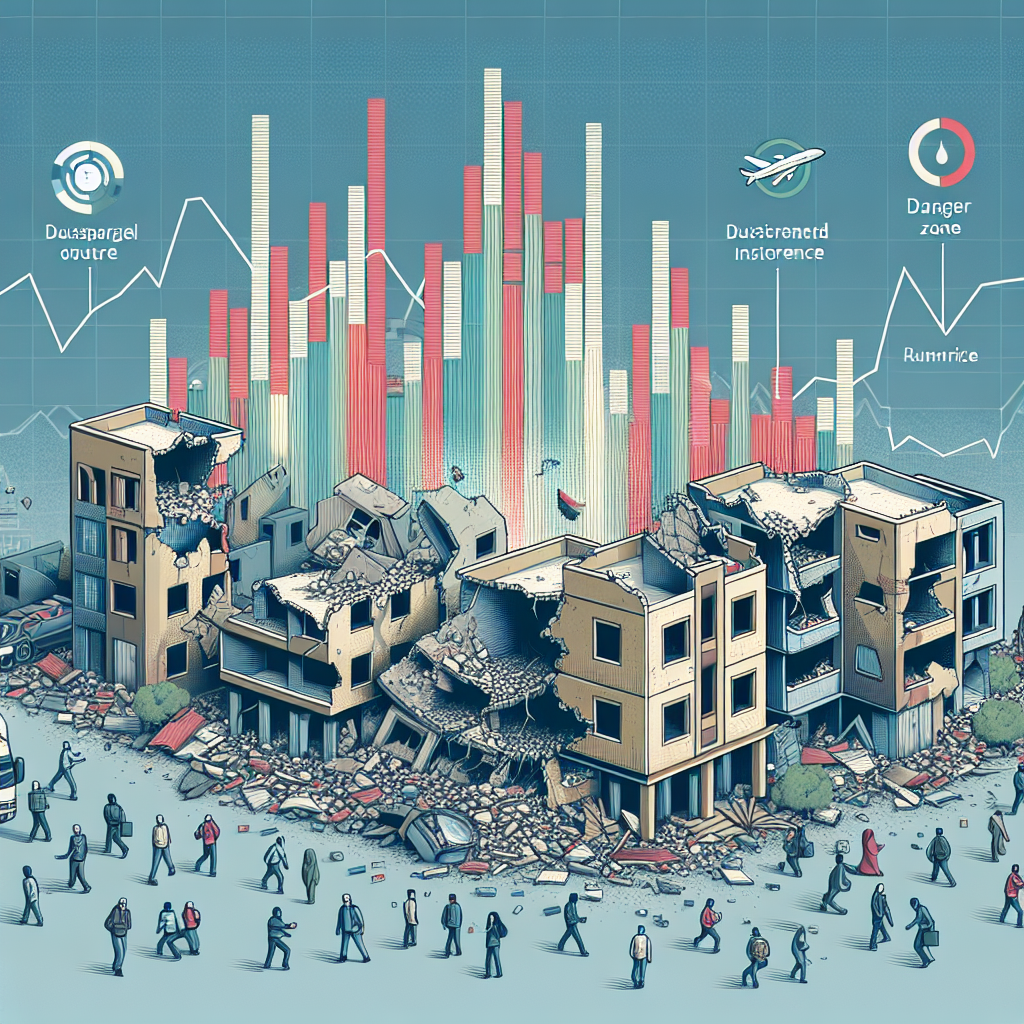
Assessing the Impact of Rising Violence in Syria
Assessing the Impact of Rising Violence in Syria
Overview of the Situation
The ongoing conflict in Syria has seen a resurgence in violence, exacerbating the humanitarian crisis and destabilizing the region further. This escalation has significant implications for both the local population and international stakeholders.

Key Drivers of Violence
Several factors contribute to the rising violence in Syria, including:

- Renewed clashes between government forces and opposition groups.
- Increased activity by extremist factions seeking to exploit the chaos.
- Foreign interventions and geopolitical tensions influencing local dynamics.
Humanitarian Consequences
The intensifying conflict has dire humanitarian repercussions, such as:

- Displacement of thousands of civilians, adding to the refugee crisis.
- Severe shortages of essential supplies, including food and medical aid.
- Destruction of infrastructure, hindering access to basic services.
International Response
The global community faces challenges in addressing the crisis, with efforts focused on:
- Diplomatic initiatives to broker ceasefires and peace talks.
- Humanitarian aid programs to support affected populations.
- Sanctions and political pressure aimed at curbing violence.
Future Implications
The continuation of violence in Syria poses long-term risks, including:
- Prolonged instability in the Middle East, affecting global security.
- Potential for increased radicalization and terrorism.
- Challenges in post-conflict reconstruction and reconciliation.
Conclusion
The rising violence in Syria presents a complex challenge with far-reaching consequences. Addressing this crisis requires coordinated international efforts to mitigate humanitarian impacts and foster a sustainable path to peace. The situation remains fluid, demanding ongoing attention and adaptive strategies from global actors.