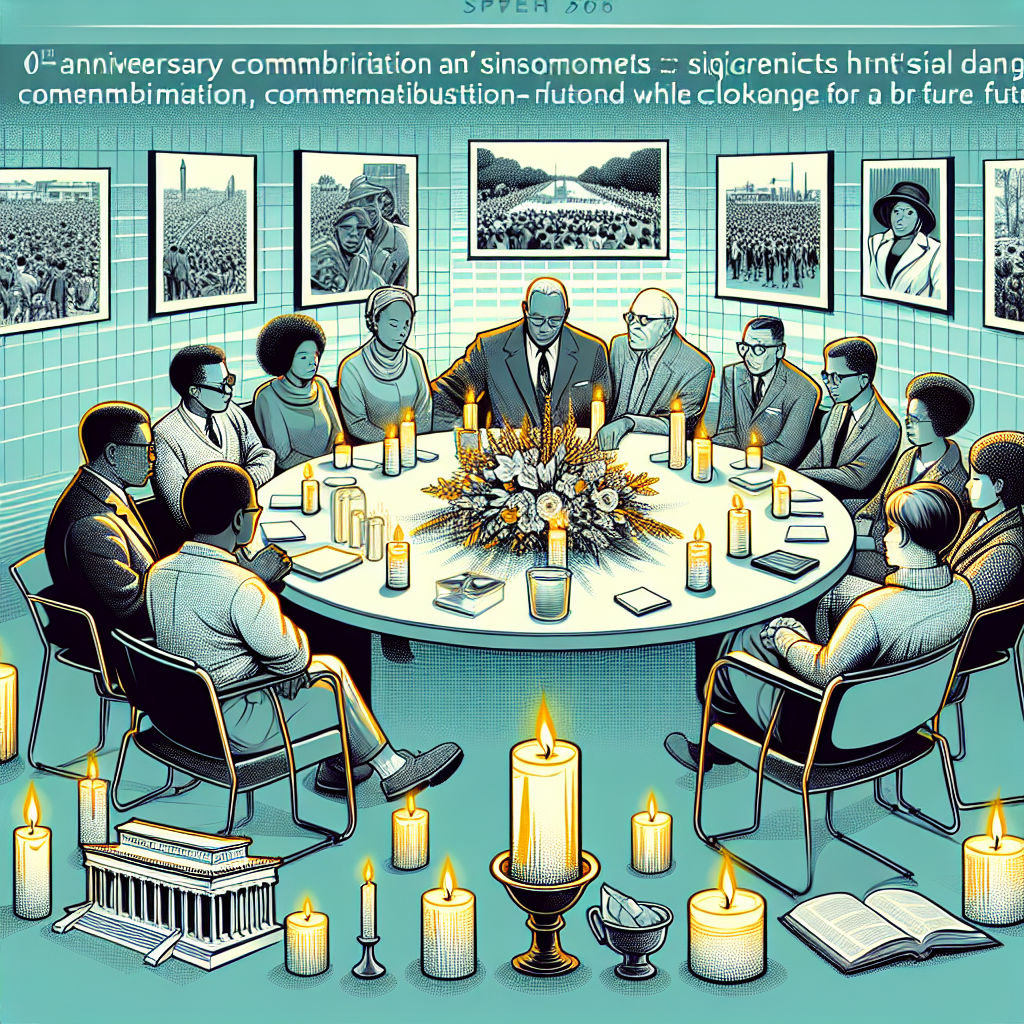
Selma Commemorates 60th Anniversary of ‘Bloody Sunday’ with Reflections and Future Challenges
Selma Commemorates 60th Anniversary of ‘Bloody Sunday’
Reflecting on a Pivotal Moment in Civil Rights History
The city of Selma, Alabama, marks the 60th anniversary of ‘Bloody Sunday,’ a significant event in the American civil rights movement. This commemoration serves as a moment of reflection on the struggles and triumphs of the past, while also addressing the ongoing challenges in the fight for equality.

Key Highlights of the Commemoration
- Historical Significance: ‘Bloody Sunday’ refers to the events of March 7, 1965, when peaceful protesters were brutally attacked by law enforcement as they attempted to march from Selma to Montgomery.
- Legacy of Courage: The march was a catalyst for the Voting Rights Act of 1965, a landmark legislation that aimed to eliminate racial discrimination in voting.
- Community Gatherings: The anniversary was marked by a series of events, including marches, speeches, and educational forums, bringing together civil rights leaders, activists, and community members.
Addressing Future Challenges
While the commemoration honors past achievements, it also highlights the ongoing challenges in the pursuit of racial equality and justice. Key issues include:

- Voter Suppression: Concerns about new laws and policies that may restrict voting access, particularly for minority communities.
- Economic Disparities: The need to address systemic inequalities that continue to affect African American communities.
- Youth Engagement: Encouraging younger generations to participate in activism and continue the legacy of the civil rights movement.
Conclusion
The 60th anniversary of ‘Bloody Sunday’ in Selma serves as a poignant reminder of the sacrifices made in the struggle for civil rights. It underscores the importance of remembering history while actively working towards a more equitable future. The commemoration not only honors past heroes but also calls for renewed commitment to addressing the challenges that persist today.