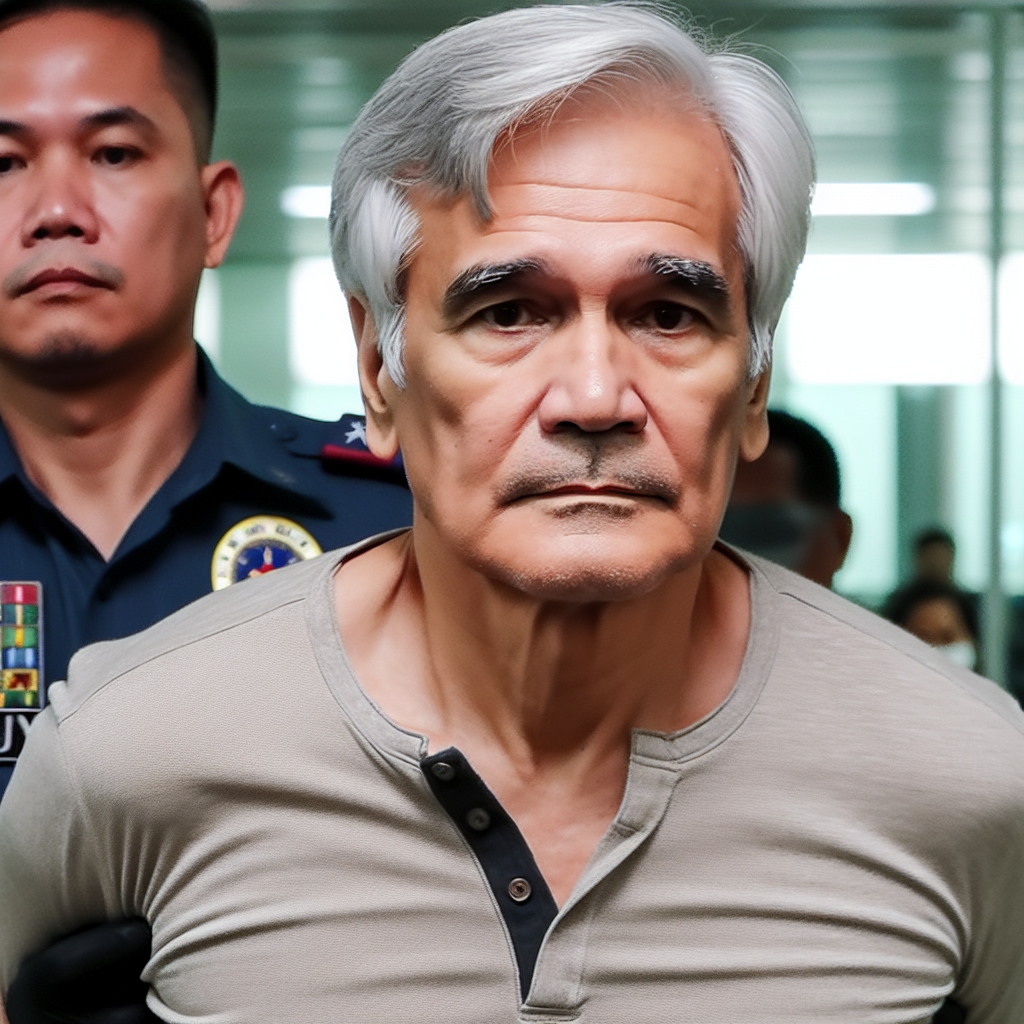
Former Philippine President Rodrigo Duterte Arrested at Manila Airport, Government Confirms
Former Philippine President Rodrigo Duterte Arrested at Manila Airport
Overview of the Arrest
In a surprising turn of events, former Philippine President Rodrigo Duterte was arrested at Manila’s Ninoy Aquino International Airport. The arrest was confirmed by government officials, marking a significant development in the country’s political landscape.

Key Details of the Arrest
- Location: Ninoy Aquino International Airport, Manila
- Time: Early morning hours
- Reason: Details remain undisclosed, but sources suggest potential legal charges
- Authorities Involved: Philippine National Police and airport security
Government’s Official Statement
The government has confirmed the arrest, stating that it was conducted in accordance with legal procedures. Officials have assured the public that more information will be released as the situation develops.

Public and Political Reactions
The arrest has sparked a wide range of reactions from both the public and political figures:

- Supporters: Some express disbelief and concern over the arrest of the former leader.
- Critics: Others view it as a necessary step towards accountability and justice.
- Political Analysts: Experts are analyzing the potential implications for the country’s political future.
Potential Implications
The arrest of a former president is unprecedented in the Philippines and could have far-reaching consequences:
- Legal Proceedings: Possible legal battles and court appearances for Duterte.
- Political Climate: Increased tension and division among political parties and the public.
- International Attention: The arrest may draw global scrutiny and impact international relations.
Conclusion
The arrest of former President Rodrigo Duterte at Manila Airport marks a pivotal moment in Philippine history. As the nation awaits further details, the event underscores the complexities of political accountability and the rule of law. The coming days will likely reveal more about the charges and the broader implications for the country’s governance and international standing.