Washington D.C. Removes ‘Black Lives Matter’ Mural Following Trump Influence
Washington D.C. Removes ‘Black Lives Matter’ Mural
Background
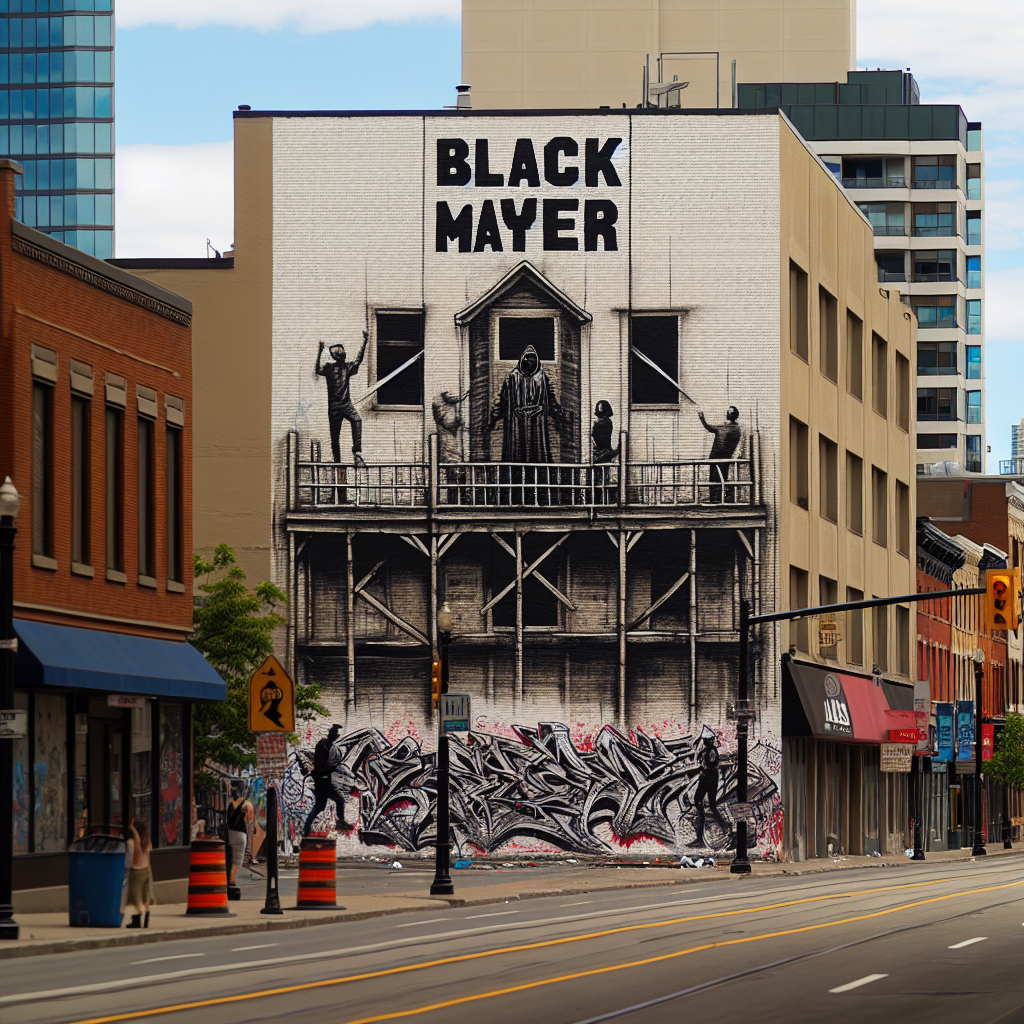
In a significant move, Washington D.C. has decided to remove the prominent ‘Black Lives Matter’ mural that was painted on a street near the White House. This mural, which became a symbol of the racial justice movement, was initially created in June 2020 amid nationwide protests.

Influence of Former President Trump
The decision to remove the mural has been linked to the influence of former President Donald Trump. During his tenure, Trump was a vocal critic of the Black Lives Matter movement, often clashing with activists and city officials over issues of racial justice and policing.

Key Points
- The mural was painted by city workers and local artists as a statement of solidarity with the Black Lives Matter movement.
- It was strategically located on 16th Street NW, leading directly to the White House, making it a powerful visual statement.
- The removal has sparked a debate about the role of public art in political discourse and the influence of political figures on civic decisions.
Public Reaction
The removal of the mural has elicited mixed reactions from the public. Supporters of the decision argue that it is a necessary step towards depoliticizing public spaces, while critics view it as an erasure of an important symbol of the fight for racial equality.

Conclusion
The removal of the ‘Black Lives Matter’ mural in Washington D.C. highlights the ongoing tensions between political influence and public expression. As the city navigates these complex dynamics, the debate over the mural’s removal underscores the broader conversation about race, politics, and the power of public art.