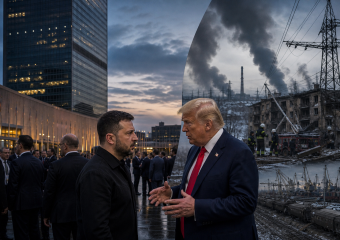
Trump Proposes 51st State Agreement with Canada
Trump Proposes 51st State Agreement with Canada
Introduction
In a surprising political move, former U.S. President Donald Trump has proposed an unprecedented agreement with Canada to create a 51st state. This proposal has sparked widespread debate and curiosity across both nations, raising questions about its feasibility and implications.

Key Aspects of the Proposal
- Integration Plan: Trump suggests integrating certain Canadian provinces into the United States as a new state.
- Economic Benefits: The proposal highlights potential economic advantages, including increased trade and resource sharing.
- Political Implications: The plan could significantly alter political dynamics, affecting both U.S. and Canadian governance.
Reactions and Criticisms
The proposal has elicited mixed reactions from political leaders, economists, and the public:

- Supporters: Some view it as a bold move that could strengthen North American ties and boost economic growth.
- Critics: Others argue it undermines Canadian sovereignty and could lead to complex legal and cultural challenges.
Potential Challenges
Several obstacles could hinder the realization of this proposal:

- Legal Hurdles: Constitutional amendments and international agreements would be necessary.
- Cultural Differences: Integrating diverse populations with distinct cultural identities poses significant challenges.
- Public Opinion: Gaining widespread public support in both countries is crucial for success.
Conclusion
Trump’s proposal to create a 51st state by integrating parts of Canada into the United States is a bold and controversial idea. While it promises potential economic and political benefits, it also faces significant legal, cultural, and public opinion challenges. The proposal’s future remains uncertain, but it has undoubtedly sparked a lively debate on the possibilities of North American integration.