Spotlight on Iran’s Nuclear Program: China, Russia, and US Perspectives
Spotlight on Iran’s Nuclear Program: China, Russia, and US Perspectives
Introduction
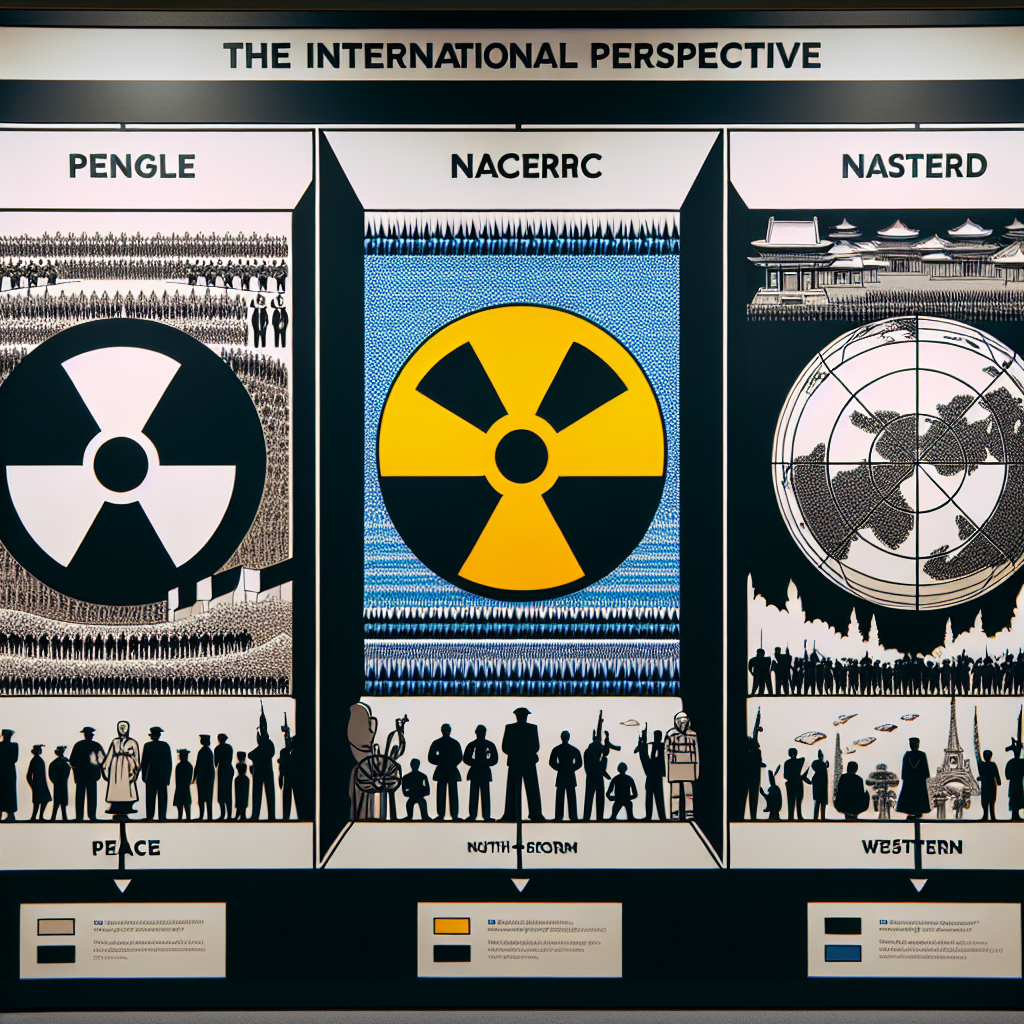
The international community remains focused on Iran’s nuclear program, with major global powers like China, Russia, and the United States offering distinct perspectives. This complex geopolitical issue involves strategic interests, diplomatic negotiations, and regional security concerns.

China’s Perspective
China maintains a pragmatic approach towards Iran’s nuclear ambitions, emphasizing diplomacy and economic cooperation.

- Advocates for peaceful negotiations and multilateral discussions.
- Seeks to balance its economic interests in Iran with global non-proliferation goals.
- Supports the Joint Comprehensive Plan of Action (JCPOA) as a framework for resolution.
Russia’s Stance
Russia views Iran’s nuclear program through the lens of regional influence and strategic partnerships.

- Encourages dialogue and opposes unilateral sanctions.
- Sees Iran as a key ally in counterbalancing Western influence in the Middle East.
- Supports Iran’s right to peaceful nuclear energy under international regulations.
US Perspective
The United States adopts a more cautious and security-focused approach, prioritizing non-proliferation and regional stability.
- Seeks to prevent Iran from acquiring nuclear weapons capabilities.
- Utilizes a combination of diplomatic efforts and economic sanctions.
- Engages with allies to ensure a unified stance on Iran’s nuclear activities.
Conclusion
The differing perspectives of China, Russia, and the United States on Iran’s nuclear program highlight the complexity of international diplomacy. While each nation has its own strategic interests, the common goal remains preventing nuclear proliferation and ensuring regional stability. Continued dialogue and cooperation among these powers are essential to achieving a peaceful resolution.